Showing posts with label Germany. Show all posts

Thursday, 30 January 2025

Hear My Voice Tonight (Seven Steps to The Green Door, 2019)

Seven Steps to The Green Door are an interesting band from Germany active since 2006 and producing an innovative musical mix ranging from neo-prog to hard rock and from melodic ballads to intricate long tracks. This song comes from their 2019 album titled "The ? Lie", a concept work dealing with religious fanaticism and its tragic outcomes. "Hear My Voice Tonight" is a ten minutes track with strong melodic roots and including unpredictable, strategically placed mood changes. 

There's more to this concept: "The ? Book" (2011) and "The ? Truth" (2024)

Jazzy passages, dreamy landscapes, intense progressions grace this track and made it a treat for the prog ears. I especially like the wind instruments that enrich this track providing a warm and rippled finale. The instrumental skills of the band members and their guest musicians are the final touch to this beautiful piece of music.

Friday, 22 March 2024

Spoon (Can, 1972)

 Can are one of the most important bands coming from the manifold early '70s German rock scene, something we label today as krautrock, even if don't like this word. Can were a highly experimental band, dealing with psychedelic loops, electronic sounds and jazz contamination. This song is one of their most accessible compositions and it played a special role in the band's history. Being a German top 10, also because it became the opening theme of a German TV show, it allowed Can to improve the production of their new album "Ege Bamyasi", in which Spoon was included, and to launch their career.

Ege Bamyasi means "Aegean Okra" in Turkish. 

Despite its short duration time and its rather plain structure, this track features many of Can's signature traits: creative percussions, repetitive riffs, ethnic passages and acid vocal harmonies. The whole outcome is an addicting, spicy, psychedelic song, where many different influences contribute to a unique, surprising musical blend. It surely take the listener back to the '70s, but it also sounds perfectly modern.

Tuesday, 30 November 2021

Ice with Dwale (Neuschwanstein, 1979)

This band has never known an international recognition and still is a hidden gem from German Golden Era of Prog. "Ice with Dwale" is taken from the band's debut album "Battlement" (even if a promo cassette of previous songs was released on CD by Muséa label in 2008). Packed with acoustic passages (flute and guitars), but also gaced by a beautiful electric guitar, "Ice with Dwale" is a remarkable period piece, influenced by the likes of Genesis and Camel and featuring well found melodies.

A less known and very good side of German prog rock.

Keyboardist Thomas Neuroth and singer Frederic Joos do their best to run through the Charterhouse boys' early days and main features, but even so they are fresh and natural like a mountain spring. I really like the keys / flute interplays, something I rearely listened to and I surely recommend this song (and the whole album as to that) to all pastoral rock lovers. 

Tuesday, 30 June 2020

Eins (Polis, 2011)

What a magical atmosphere! German band Polis has a very rich mood palette ranging from heavy rock to romantic tracks. This is a good example of the latter. Mostly instrumental, the song explores the most spiritual quiet realms, then offers an unpredictable finale where Christian Roscher's vocals and Sascha Bormann's drums come in to give their biting touch. As usual with them, Polis like vintage instruments and are inspired both by English prog masters and by German krautrockers, so that each song of theirs has its own flavour, even if they keep a recognizable dark and deep approach to songwriting. 

"Eins" was Polis debut album in 2011.

Then I always like bands singing in their native tongue, something reminding me how universal good music and good prog rock are. Finally, the band's eclectic attitude and the way they dig into the darkest side of life could make of them the latest incarnation of the most original bands from the past, the likes of Uriah Heep or Popol Vuh. Well, at least, let's hope so!

Monday, 30 December 2019

The Flower (Amenophis, 1983)

If you had time and kindness enough to read some of this blog's posts, you're likely to know how much I appreciate the bands that had enough guts to keep the prog flame lit up during the '80s. Amenophis did so. Not only this German band released prog albums, but they even dared to play a soft and mystic kind of symphonic rock that I certainly like but - of course- didn't assured them a successful career. This track comes from their debut album and is perfect to appreciate the delicate and varied style of Amenophis. It's a 7:30 minutes suite divided into two parts (The Appearance and Discovering The Entrance in The Shadow of A Dying Bloom), where you'll pick up a srong (and welcome) Camel influence, especially when the guitar comes in, and a very good keyboard work. 

This album was re-released on CD in 1992 by Musea.

Some of the vocal sections sound too predictable (and maybe too much Gabiel-esque) and the production is just as good as the band could afford back in 1983, but there are such beautiful, dreamy moments there that I could forgive much worse flaws. The lyrics about a mystic vision of Nature are reminiscent of the '70s, still they perfectly match with the musical mood of this trio. If you didn't know this band, I'm glad to offer in my blog a chance to get into their world (and you'll find more in my old posts).

Saturday, 27 April 2019

In The Dark of The Night (Ines, 1994)

Ines Fuchs is a German keyboardist and composer, gathering around her a skilled band of neo-prog influenced musicians, some of them coming from well known German bands, such as Asgard or Anyone's Daughter. This song, a favourite of mine, comes from her first abum, called "Hunting The Fox" and is a fine example of melodic, catching and still intriguing prog song. Ines plays her keys with a beautiful dynamic approach, while the rest of the band provides a liquid groove that perfectly fits the musical theme.

This album was released by "Music Is Intelligence" label.


After a sung section (Ines doesn't sing herself), the second half of "In The Dark of The Night" is a long and enthralling instrumental coda, where the guitars play an essential role. You won't find here too many tempo changes or intricate interplays, but I bet you'll like the way the instruments follow each otheron asolid path leaded by Ines and her rythm section. Enjoyable, that's the word.

Sunday, 25 June 2017

Custody of The Knave (Argos, 2010)

Argos are one of the most interesting prog bands from the 21st Century German scene. Certainly influenced by both first and second generation progressive rock groups, they developed their own style, an introspective and challenging mix of symphonic rock, neo-prog and experimental music. This song, taken from the album "Circles", actually dig into the listener's soul and reminds me of VDGG,Hammill solo ballads and also The Flower Kings.

"Circles" was the second studio album by Argos.

It's a moving and well written song, including essential and effective drumming solutions, atmospheric passages, very good vocal harmonies, a beautiful, sad piano, some spiritual keyboard touches and, of course, a stunning vocal performance by Robert Gozon. Please don't hesitate and listen to other songs by Argos: you'll find many different musical worlds and (what's more) you'll appreciate the way this band can touch you giving new life to prog.

Friday, 24 February 2017

Place Called Home (The J Conspiracy, 2015)

New bands are more and more into streaming free distribution and among those I put into my blog a very interesting German act called The J Conspiracy and whose longest track, "Place Called Home", is a fine example of eclectic prog. I like the way these musicians line up different moments and moods to create a diversified and coherent suite divided into six parts. Modern as it can be, this song is also well rooted into the prog history solid ground and offers many interesting soundscapes.

 
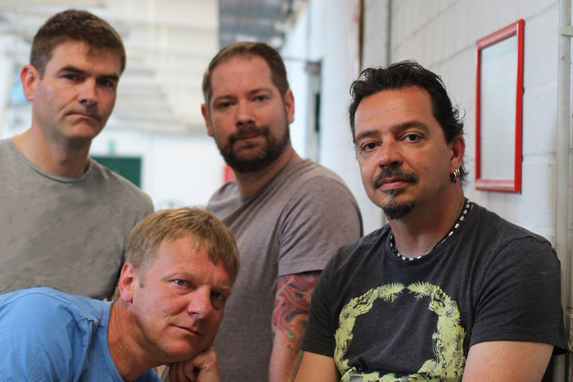
The J Conspiracy: Ralf Brand, Chris Buß, Heiko Löb and Karl Schlesinger.

What's more, the band builds up their songs on strong melodies and very well found themes... not a common feature in a musical world where effects and arrangements take the main role. That said, the instrumental performances are first-rate and so is the visual project accompanying this song and available on the band's offical site (see below). Last but not least, the lyrics provide a poignant overview of the daily struggle between our need of a deep truth and the shallow commotion of modern life. Finally, here you are an excellent way to spend your next twenty minutes, if you ask me.
Enjoy the slide-based presentation for this song:  http://thejconspiracy.de/fotoslide/

Saturday, 19 November 2016

Swan Song (Rebekka, 1982)

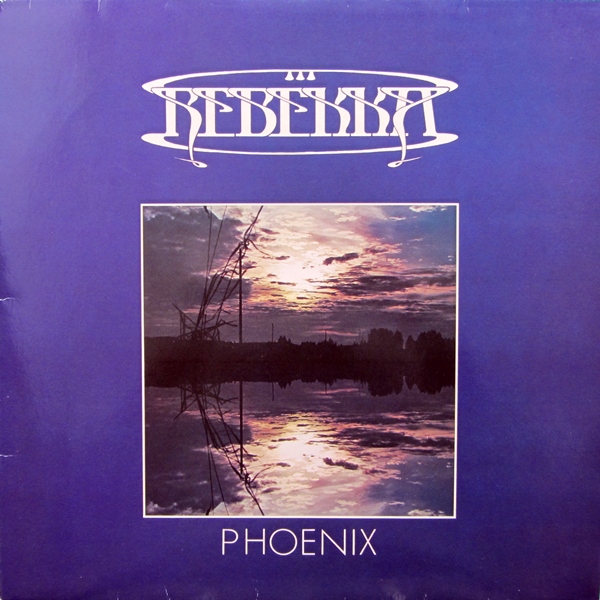
Most of the progfans having listened to "Phoenix", Rebekka's first and best album, compare this band to Renaissance, especially because of their melodic taste and Marion Weldert's voice, not too different from Annie Haslam's. Bute there is an original touch in Rebekka we shouldn't underrate: they mixed soft atmospheres with European folk themes, acid touches and electronic devices.

After this one, the band released a second studio work in 1984.

As this opening song will prove, Rebekka's sound appeal is founded on this clever and pleasant blend of flavours, all well arranged in their symphonic frame. Useless to say, the elegant piano played by Peter Laubmeier provides a classical mood to "Swan Song" as its title requires, after all. Just another hidden pearl in the inexhaustible treasury of prog.

Saturday, 24 September 2016

Hallogallo (Neu!, 1972)

Take a walk on the karautrock side, my dear friends, and listen to this "Hallogallo" by Neu!, one of the most uncompromising bands from the German rock scene during the Golden Years. You'll find the industrial sounds of Düsseldorf, but also the moder kind of poetry these musicians were able to create. Rother and Dinger fly high over their pulsing ground and draw an abstract and fascinating picture full of acid patches and fluorescent zigzags. 


"Neu!" was the first album by this seminal German duo.

Unlike many other contemporary acts, however, Neu! never loose the balance between experimental sounds and enjoyable music, so that all listeners will find their own cup of tea in "Hallogallo". Please note that this song is one of the earliest examples of motorik beat, the peculiar 4/4 relentless and mid-tempo beat that many krautrock bands will adopt during the years. Enjoy.

Thursday, 21 July 2016

Abschied (Novalis, 1983)

You'll find in this blog long, tricky and pastoral songs by German band Novalis, but here I'd like to introduce a short ballad called "Abschied" ("Farewell")  and coming from the album "Sterntaucher" (that's "Star diver", more or less). I do think this is a highly moving song, apparently plain and essential, but actually full of emotions and musical strength.

"Sterntaucher" was the ninth studio album by Novalis.

It is a welcome example of how a skilled composer can write a prog song lasting three minutes or so. As always, the emotional side of music is more important than rules and habits. Of course, you need a good vocalist and the right amount of instrumental skills. Fred Mühlböck Novalis had this and even more than this, ça va de soi...

Sunday, 10 July 2016

Alberich (Klaus Shulze, 2008)

Klaus Shulze's manifold musical career also includes the live album "Rheingold", entirely made of previously unreleased tracks performed in Lereley during the "Night of The Prog III" festival, with guest singer Lisa Gerrald of Dead Can Dance fame. The very location of this concert is related to the heroes of the epic poem usually called "The Song of The Nibelungs" (or "Nibelungenlied"). This long track, for example, is dedicated to Alberich, the dwarf guardian of the Nibelung's treasure. Instead of his well known obsessive sequenced keyboards, here Shulze prefers (at least in the first section) a dark and spacey atmosphere where Gerrard's extraordinary voice draws striking landscapes and arcane vocalisms.

This breathtaking concert was released as a double CD and as a duble DVD.

As always with Mr. Shulze, this is not an easily enjoyable track, it's an absorbing trip through the weirdest and most charming musical worlds, the same lands Richard Wagner explored in his romantic days.. And if you come across a god or a dwarf or even Siegfried and his dragon, well, don't be surprised: this is another Klaus Shulze's trick!

Tuesday, 5 July 2016

Journey to A Nightmare (Shamall, 1989)

Norbert Krueler, the German musician and DJ behind Shamall label, signed this mini-suite divided into six parts and chose it as the title track of the debut album of his project. As Smamall went on a long way, releasing a dozen of studio albums to date, it seems to me this is the right moment to look back at the very roots of this musical adventure. Since then, Kruel went through different genres and many experiments with Shamall, but this track will prove how strong his ambient, spacey and electronic inspiration was in the first place.

Shamall's long and prolific adventure began in 1989.


"Journey to A Nightmare" combines Floydian elements with krautrock sources and even with electro-pop (we're in the '80s, after all!). A rich choice of effects and some good, simple melodies are the highlights of the suite, but please don't forget Krueler's skills as a player. Plain and even naive as it is, this song has a powerful evocative strength I'll always appreciate. A long, fluid sketch, a quiet and tense journey toward a far, arcane star!

Thursday, 16 June 2016

The Darkest Hour (Crystal Palace, 2010)

Crystal Palace are a German band ranging between electronic prog and neo-progressive rock, specialised in arcane moods, guitar riffs and very good melodies. "The Darkest Hour" (not to be confused with the IQ's song bearing the same title, also featured in this blog) is one of the best ways into this group's sound. The electronic intro is followed by a well found sung theme, enriched by mysterious keyboards and strong guitars. The subsequent instrumental bridge is based on distorted guitars, then a wide open chorus shows how good Crystal Palace are when it comes to mix melodies with heavy rock.

"Reset" was the fifth studio album by Crystal Palace.

This energetic and diversified track also includes a spacey interlude, introducing an acoustic guitar-driven ballad, that sounds even more beautiful there, and is followed by an excellent final section, displaying a dreaming guitar (getting more and more Gilmour-esque), a relaxing set of keyboard chords and very good vocals. Crystal Palace may not be the most original act out there, but they forged out their own approach to prog.

Wednesday, 4 May 2016

Mother Universe (Wallenstein, 1972)

This is the title song of German band Wallenstein's album released in 1972 and it keeps today all the charms it had originally, plus the vintage glaze that time gives to old (and good) music. Both pastoral and acid, this piano-driven ballad features a hearty vocal performance and a rather gilmour-esque electric guitar, reminding me of early British bands like Quatermass, but with a more melodic taste. 

I really like this album, the second one by Wallenstein.

Some symphonic touches enrich the central section of "Mother Universe", followed by organ and vocal harmonies not too far from Procol Harum's style. The power of the Golden Era of prog is everywhere, while a special Mittel-Europa sound adds an original twist to the big picture. I really like the intense, even dramatic mood of this song and I higly recommend it to you all.

Friday, 8 April 2016

Autobahn (Kraftwerk, 1974)

This long track of more than 22 minutes is no doubt one of the best achievements in Kraftwerk's career. The electronic rythms and many keyboard effects re-create the sounds of a car travelling along a motorway (that's the meaning of the German word "Autobahn") and the monotone vocals add a hypnotic touch to the song. But you can also come across acoustic instruments like flute and guitar, almost indistinct in that electronic hammering, and depicting the loser human side of high tech world.

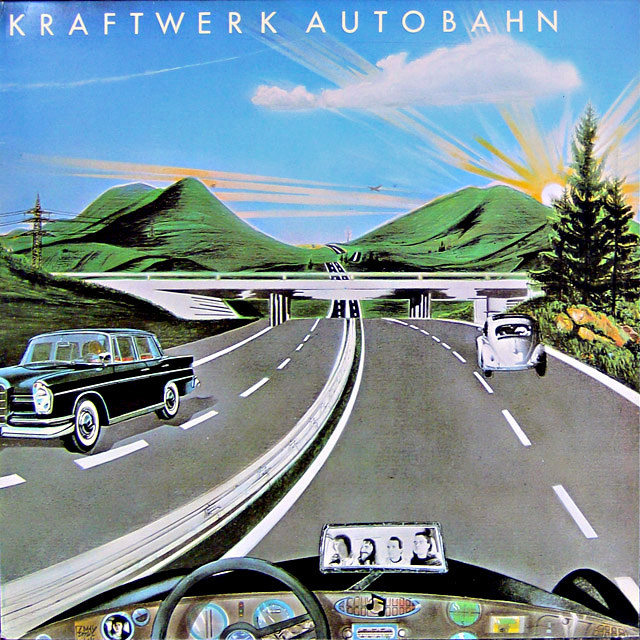
There are several different cover arts for "Autobahn". I like this one.

This dark, overpowering side of the industrial civilisation is also evident in the compulsive lyrics Wir fahren fahren fahren auf der Autobahn ("We drive, drive, drive on the motorway"), something like a pointless, foolish worry we all share in modern life. In spite of this rather depressing side, Autobahn charms me each time I listen to it, and I think I'll go on travelling on that musical motorway of theirs the rest of my life.

Saturday, 2 April 2016

Aeroplane (Pancake, 1975)

Charming, that's the word. Pancake were a German band based on two guitars, two bass guitars and no keyboards at all. Nonetheless, their sound is a well recognizable '70s prog rock, with slight folk (or even country) roots and a tasty acid smell. This "Aeroplane" comes from the band's debut album "Roxy Elephant", most likely their best work. It's so pleasant a track that I was surprised, after listening to it for the first time, to discover that it was more than 13 minutes long!

After this debut LP, Pancake released two more albums.

The matter is that it flows away so naturally, displaying its rythmic changes, vocal harmonies, psychedelic effects and sweet guitars, that I bet you'll like it the way I did and do. I still haven't decided if I better like the electric solos or the acoustic moods, the Gilmour-esque side or the Phillips-ian one of this track. Does it really matter?

Saturday, 5 March 2016

Blind Man's Mirror (Second Movement, 1976)

One of the most underrated German bands ever, IMHO, Second Movement released their first album in 1976 and this is its title track. The smell of the Seventies is very strong, especially when the keyboards come in, while the acid electric guitar and the bitig vocals add the right dose of lysergic sounds to the big picture. It's a fascinating mix of krautrock, symphonic prog and psychedelia, with just a pinch of space rock. I like the melodies too, so well found and richly diversified with vocal bridges and instrumental parts.

I highly recommend all the tracks of this album.

The keyboards and the guitars alternate with grace and fantasy, while the rythm section provide a lively and fluid stream supporting the manifold musical solutions of the track. Another living proof of how lushing was the German prog scene during the mid-Seventies and another example of the hundreds of hidden prog pearls we must shouldn't forget.

Saturday, 6 February 2016

Hyperborea (Tangerine Dream, 1983)

The last album by Tangerine Dream for Virgin records can be considered as a musical landmark between the fully experimental phase of the '70s and the new, ambient-like atmospheres. The title track, in particular, is one of the most arcane and well structured tracks from this "bridge" era. Inspired by the mythical northern realm of Hyperborea, this is a two part instrumental based on keyboards and soft drum machine, and also including a liquid, heartbreaking electric guitar (most likely a synth guitar effect). 


A remixed version of this album was released in 2008.

What I really like in this double sided song is the mix of sweetness and coldness the band set up, the excellent melodies and the calm, majestic crescendo in the second section. Tangerine Dream magically resumed the symphonic era and aticipated the New Age... and what's more, they added a pinch of emotion to their recipe. And very well they did!

Wednesday, 6 January 2016

Bel Air (Can, 1973)

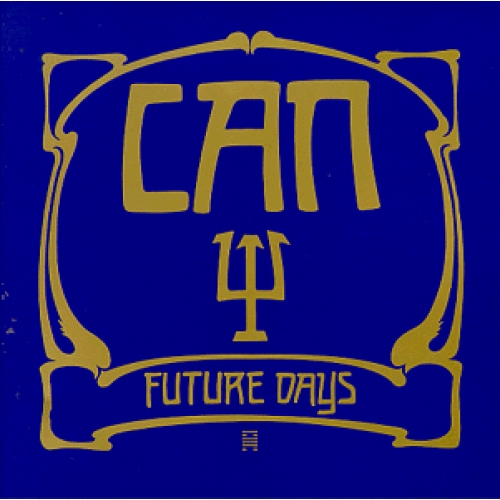
Taken from "Future Days" album, "Bel Air" is a long song (I'll say a suite in want of a better word) that includes many of the most known and appreciated features of this experimental German band. It starts with one of their hypnotic rythms, something inspired by tropical islands, this time, and with voices employed as additional instruments. Soon the rythm gets the foreground and closes the first section. The second one has a darker mood and an arcane bass line acting as a guide through colourful and everchanging landscapes, fading out and into a jazzy and spacey passage, whose final seconds seem to lead the listener into a thick and dark forest. Birds and bugs drone around, until the music comes back, suspended once again between the Hawaii and an opium den.

...And fans consider this one as the less experimental album by Can!

Here you'll find some of the best and weirdest moments of the song, free variations and apparent improvisations ripping and distorting the tropical paradise wallpaper. Rhythmic progressions and dissonant effects come like a hurricane and ravage our beautiful island, so that the final section seems to me more a mourning chant than a return to firmness. Like it or not - their music isn't necessarily a pleasant experience - Can are the quintessential musical trip from the Seventies, well beyond the borders of musical genres.