Showing posts with label 90s. Show all posts

Tuesday, 30 September 2025

Lady Time (Numen, 1998)

Numen are a Spanish band whose musical consistency, so far from any commercial benefits and strongly rooted in the neo-prog soil, I surely appreciate. Since their debut album "Samsara" they displayed a nice bend for melodies and considerable instrumental skills. This song comes precisely from "Samsara" and I know many of you would have singled out other and more complex compositions from this album... but I hope you'll forgive me as you know how much I like a well done and well played pastoral song.

Didn't I say that Numen also like beautiful artworks for their releases?

This is exacly the case with "Lady Time", where a well found theme lies on a smooth sonic carpet and the listener can also find some beautiful guitar solos and a delicious flute work. Furthermore, there is a very clever and unpredictable change of mood around minute 3:25, when the Camel-esque pastoral song becomes more Marillion-esque and, believe me, this is simply perfect for my ears. 

Tuesday, 31 January 2023

Il petalo del fiore (Greenwall, 1999)

 "Il petalo del fiore" (meaning "The Flower's Petal") is a na long suite (nearly 34 minutes) split into two tracks and six movements by the Italian act Greenwall, the brainchild of keyboard player Andrea Pavoni. It comes from the band's debut album and proves once more the equation prog = diverse, probably the only mathematics thing I perfectly understand. Keyboards are obviously the main course of this song, but if the piano driven sections are my favourite ones, I also like the way other instruments come in and draw a colourful fresco all around me. 

Mellow Records is responsible for this hidden prog jewel.

Fabio Nani's guitars are simply perfect here in both electric and acoustic moments, even where a dreamy mandolin comes in. I like the wide range of musical writing, spanning from well found (and so Italian) melodies to groovy, nearly spoken lines, not too far from the '70s singers-songwriters way. Furthermore, you'll find complex and symphonic parts along with ethereal, minimal phases. That's the perfect solution to the above equation.

Friday, 28 February 2020

Flooded by Sun Light (Ain Soph, 1991)

Ain Soph are among the most inetersting Japanese bands ever (please find more by them in this blog). Even if "Marine Messagerie" CD was recorded in 1991, then re-released in 2005, these tracks were born in the late '70s, the first creative wave of Yozok (guitars), Mashiro Torigaki (bass),Taiqui (drums) and Kikuo Fujikawa (keyboards). "Flooded by The Sun" belongs to the melodic and Camel-esque vein of Ain Soph, and starts with a delicate mood, then gets more upbeat and intricate.

The 2005 reissue was co-labelled by Poseidon and Musea.

The whole song  (an instrumental, as usual with Ain Soph) is enjoyable and higly dynamic, so that all instruments are cleverly interwined to build up a brilliant, charming sound. Yozok's guitar solo is one of the highlights of "Flooded by Sun Light", and so is Taiqui's creative drumming. That's what I really like in this song: the way it combines lightness and sophistication. The Rising Sun touch, maybe.

Wednesday, 31 July 2019

Sad Rain (Anekdoten, 1993)

Even if Swedish proggers Anekdoten will create more sophisticated tracks during their career, I'm fond of this early track (available as a bonus track in a re-release of Vernod and also remixed in the band's compilation Chapters, a real milestone in their musical evolution. You'll find here both Crimsonian sounds (Anekdoten were practically born as a KC cover band) and Scandinavian melancholy. 

An arcane cover art, isn't it?

These will remain two pillars of Anekdoten's distinctive sound, along with other elements that these musician will add during the years. Here you can enjoy soft passages, stronng walls of sound, beautiful melodies and sharp riffs in an unpredictable and well found pattern. That's prog, babies!

Sunday, 30 June 2019

All Alone (Final Conflict, 1992)

Final Conflict have a very smart name. Because melodic prog always include a fierce battle between an accessible and recognizable way to prog and the quest for a personal style. These English musicians surely were hugely influenced by Fish era Marillion (is it a deadly sin? We all were...), but they also had two very good singers, namely Brian Donkin and Andy Lawton, and they created their own version of highly emotional prog.

I like this artwork by Brian Picken... that reminds me of something! 


Dreamy guitars and keyboard carpets are never too showy, but strongly effective, as the whole band tend to the same (and never too easy) target: that is to put in music their inner world. "All Alone", coming from the album "Quest", is a good example of such a visceral approach: no virtuosity, no intricate interplays, no special effects of any kind. Just the essence of music: pure pathos. And a beautiful melody, moreover...

Friday, 31 May 2019

Ättestupan (Sinkadus, 1997)

This Swedish band belongs to the best Skandinavian prog tradition, picking up some of the musical elements from the '70s masters and adding their own personality to their rich pot. Ättestupan (meaning Precipice) is the closing track from the band's debut album "Aurum Nostrum" released in 1997 and displays a good deal of their highlights. First of all, the fluid sequence of tempos, ranging between calm and introspective moments to frantic rock or jazzy interplays, via a few majestic largos.

"Aurum Nostrum" features  four long tracks. I like all of them.


Electric and acoustic instruments build up an everchanging and solid piece of music, where every bit of sound finds its right place into the great picture. The sung parts (in Swedish) by Linda Johansson and Rickard Bistrom are also good, especially the female ones, which add a folkish touch here and there. And after all, as I said before, variety is the strongest point of Ättestupan (and of Sinkadus best songs), even if such a diverse inspiration requires both control and instrumental skills. Just listen and tell me if these musicians have them or not...

Saturday, 27 April 2019

In The Dark of The Night (Ines, 1994)

Ines Fuchs is a German keyboardist and composer, gathering around her a skilled band of neo-prog influenced musicians, some of them coming from well known German bands, such as Asgard or Anyone's Daughter. This song, a favourite of mine, comes from her first abum, called "Hunting The Fox" and is a fine example of melodic, catching and still intriguing prog song. Ines plays her keys with a beautiful dynamic approach, while the rest of the band provides a liquid groove that perfectly fits the musical theme.

This album was released by "Music Is Intelligence" label.


After a sung section (Ines doesn't sing herself), the second half of "In The Dark of The Night" is a long and enthralling instrumental coda, where the guitars play an essential role. You won't find here too many tempo changes or intricate interplays, but I bet you'll like the way the instruments follow each otheron asolid path leaded by Ines and her rythm section. Enjoyable, that's the word.

Tuesday, 31 October 2017

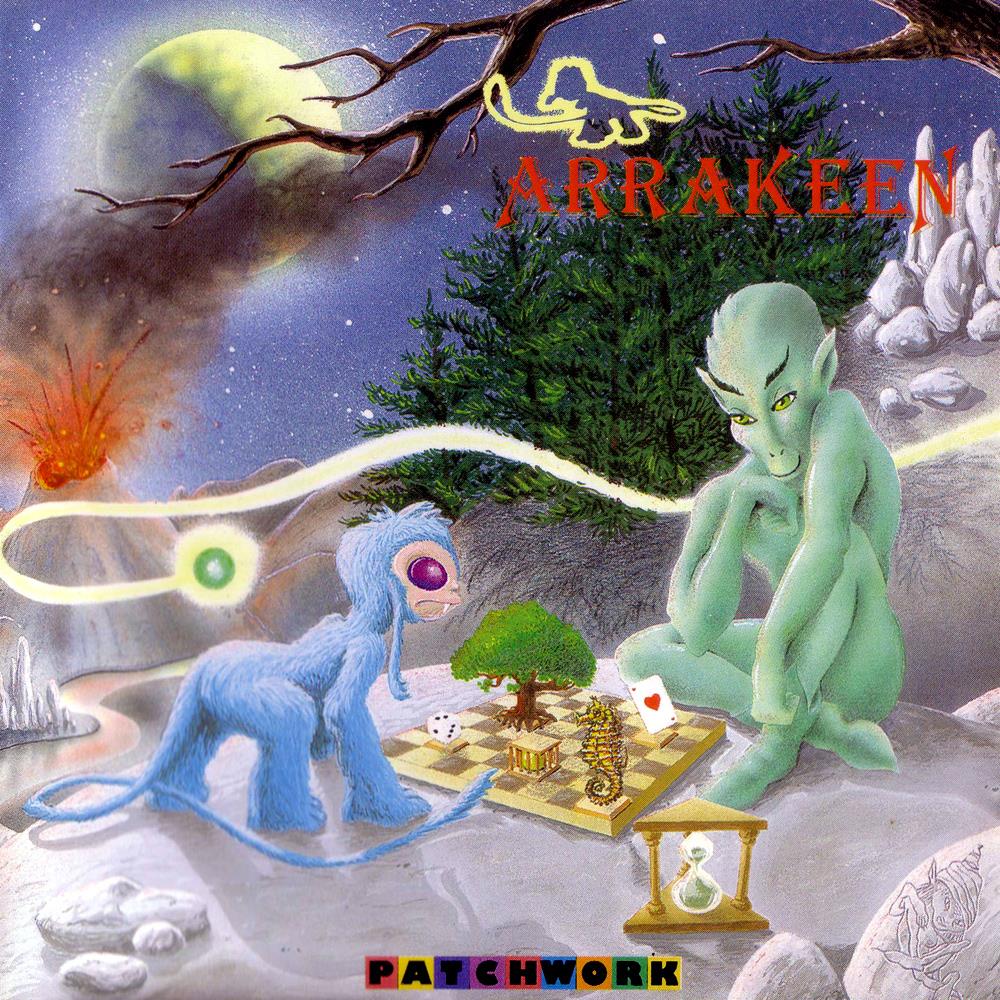
Différences (Arrakeen, 1990)

When I first lisened to Frernch band Arrakeen's CD titled "Patchwork", I immediately appreciated Maïko's voice, something between Annie Haslam and Kate Bush. But very soon I loved all the rest. Meaning good arrangements, beautiful melodies, skilled musicians and - last but not least - a rather eclectic approach to neo-prog, including classic quotations, Marillion hints (Steve Rothery also appeared on the CD's last track) and folk passages.

"Patchwork" was Arrakeen's debut album.

This song, the longest one from the album, is intended as a dialogue between five characters (She, He, The Painter, The Other One and The Echo) and is mostly based on a fluid mid-tempo and melodic pattern. Some good guitars and a clever keyboard background are also among its highlights. Unfortunately, Arrakeen were a short lived act and only released two albums. Such a shame, IMHO.

Tuesday, 28 March 2017

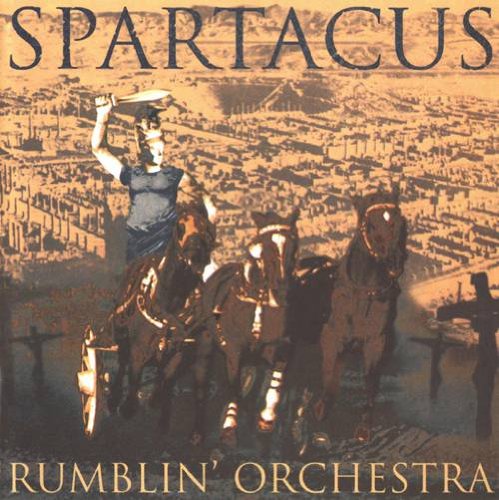
Spartacus Concerto I, II, III (Rumblin' Orchestra, 1998)

Rumblin' Orchestra's album "Spartacus" is a very good example of flamboyant and orchestral progressive rock, still it never goes too tricky and keeps a pleasant and not-too-intellectual mood. These Hungarian musicans resumed the Roman gladiator Spartacus's history also inspiring the German act Triumvirat for their 1975 album. I especially like this three part Concerto, classically lining up two lively sections and a central melodic interlude.

Rumblin' Orchestra only released two albums between 1998 and 2000.,

Not only the music is very well played and arranged, but it is build up on solid compositions and beautiful tempo variations. Even if keyboards are the foremost instrument here, a great deal classical instruments provide a coherent and original sound. And after all, coherence and union aren't so strange when family ties are concerned: five Rumblin' Orchestra members out of six belonged to the same family!

Monday, 16 January 2017

Estonia (Marillion, 1997)

What a sad and beautiful song! And the story behind it is also interesting: it's about the sinking of the passenger ferry Estonia in 1994 in the Baltic Sea, the worst European shipwreck since WWII. 852 people died and 138 were rescued alive, including Paul Barney, one of the two British passengers on the ship and the only survivor. Marillion's singer Steve Hogarth met him on an aeroplane and got the inspiration for the lyrics .

MS Estonia gave rise to a great disaster and, also, to a great song.

The music was also strongly influenced by the disaster and the morn, spritual mood of the song - especially of the dreamy instrumental part - is a heartbreaking depiction of death experience and after-death expectations. "Estonia" starts with Barney's story, but is more about the loss of loved ones than the actual sinking of the Estonia ferry. As a matter of fact, Hogarth's firts lines are still linked to the disaster's physical circumstances, then the focus moves to the unwordly side of such a painful occurrence. Moving and inspiring, IMHO.

Sunday, 8 January 2017

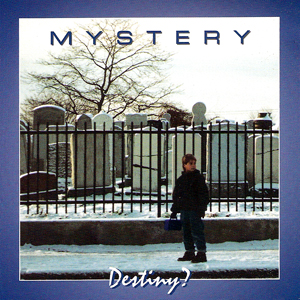
Shadow of The Lake (Mystery, 1998)

Here you are some well conceived and well performed neoprogressive rock. "Shadow of The Lake" is a 15 minutes track by Canadian band Mystery from their album "Destiny?". Like all the best examples of this sub-genre, you'll find here references to some of the classic bands from the Seventies and also a good deal of passion and emotion. In addition to this, the sung parts are very good, with a ballad-like flavour that Mystery know how to mix with the symphonic side of their music.

This is the original cover art of "Destinhy?". It also exists a 2009
10th anniversary edition with a different cover.

Some strong electric guitars and a series of beautiful changes provide more charming moments and enliven the track. Michel St-Père - the mind behind the band - plays both guitars and keyboards, and builds up a rather complex plot for this song, probably the first full-progressive one in Mystery's discography. I surely enjoyed it.

Sunday, 18 December 2016

Höstsejd (Änglagård, 1994)

It sounds incredible for such a mixed and struggling fandom, but Änglagård are one of the rare bands every prog fan likes and many of them adore. That could be because of their undeniable links with the Golden Era prog rock, or maybe for their morn, heartbreaking atmospheres. Be as it may, this "Höstsejd" ("Autumn Rites") is one of their longest and most interesting songs, taken from the album "Epilog".

This was the band's second CD... their third work came 18 years later!


The ruling mood is that of nostalgy and quiet contemplation, the kind of nature-based atmosphere Swedish bands know how to conjure up and master so well. But there are also many beautiful changes both in volume and in tempo, taking advantage of the band's abundant choice of acoustic and electric instruments. A guest string trio adds the mellow touch an autumnal song surely needs. In short, another masterpiece from one of the most prominent contemporary prog bands.

Tuesday, 15 November 2016

Siberia of Snow (Cinderella Search, 1993)

There's a melancholic and foggy vein streaming through Japanese prog since the late Seventies and still active today. Cinderella Search are among the most interesting examples of this mood. Their name - a reference to a Fish-era Marillion song - doesn't mean these musicians are a musical clone, as their music is definitely original, even if there is a general neo-prog and Scandinavian Progg atmosphere in it.

 Cinderella Search love Northern and misty moods...

This is the opening track of their debut self-named album, released in 1993 and perfectly illustrates the band's essential features: post-rock moods mixed with neo-prog arrangements, a beautiful violin (by Junko Minobe), a good deal of acoustic guitars backed with electric instruments and - last but not least - a taste for good melodies. I surely appreciate Cinderella Search for their open minded attitude, their delicate and never sweetish touch and their deep respect for the great history of prog rock.

Sunday, 16 October 2016

The Moon Hangs High / 月梦 (Tang Dynasty / 唐朝, 1992)

Tang Dynasty are rather on the metal side of Chinese rock, but they surely were influenced by progressive rock and never forget how melody and atmosphere are important when it comes to writing good songs. This one, for example, comes from the album "A Dream Return to Tang Dynasty" (well, the title itself seems interesting to me...) and belongs to their softer side. I like the way they take advantage of the classic song formula enriching it with instrumental bridges and a vocal emotional crescendo.

"A Dream Return..." was the debut album by Tang Dynasty.

Most of all, the themes are very well found and the Chinese lyrics add a special, unusual (for us) sound to the big picture. Kaiser Kuo's guitars and Ding Wu's vocals are the first contributions the listener appreciates in this track, but the entire band knows how to play without uselessly showing off their skills. After all, a beautiful song doesn't need too much tinsels...

Wednesday, 28 September 2016

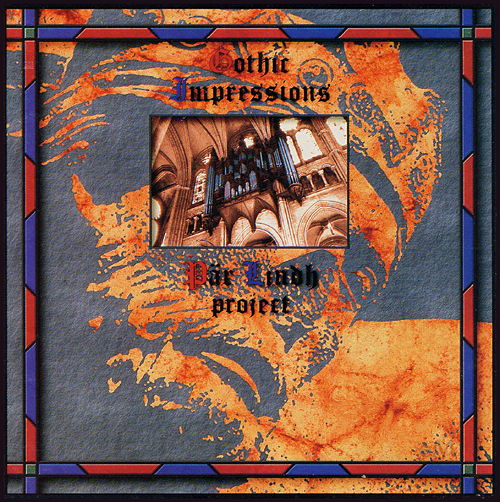
The Cathedral (Pär Lindh Project, 1994)

Pär Lindh is no doubt one of the most gifted keyboardists of the contemporary progressive rock scene and an excellent composer too, that's why his Project has so many admirers worldwide. "The Cathedral" is an epic coming from the band's debut album. Yes, I consider "Gothic Impressions" as a band's brainchild, even if Pär Lindh's influence is everywhere. Actually, the skilled musicians he gathered for such a project deserve it: you'll find Ralf Glasz's unique voice, for example, and also  Björn Johansson's classical guitar, let alone Anna Holmgren's flute.

"Gothic Impressions" also feature a cameo by Roine Stolt.


The magic of "The Cathedral" mainly resides, OMHO, in its going in and out of its classical, medieval mood. Chuurch organ's solos and bombastic symphonic rock sections follow one another lining up a series of stunning changes. Please don't forget the rythm section, providing blazing lava to the explosive big picture. Last but not least, some of the themes and riffs are so well found that they got indelebly carved into the the listener's mind. Listen to this track, my friends, and let me know...

Tuesday, 2 August 2016

The Wood of Tales (Malibran, 1990)

This is exactly what you'd expect from an Italian prog band's track: fairy tales, acoustic instruments, mellow melodies, piano touches and, of course, a good mix of Mediterranean sunsets and Celtic mists. Please don't think I'm trying to underrate Malibran, 'cause I love their music. I sometimes need some labels to start an introduction, that's all. "The Wood of Tales" is a perfect mix of unpredictable changes and familiar sounds, an excellent instrumental full of magic and emotions.


The artwork says it all... doesn't it?


All the instruments add their special touch to the big picture, and especially the dreamy electric guitars (yes, there are two guitarists!) and the flute. The vintage mood is obviously strong, and so are the Golden Era references, but there are many modern settings I appreciate more and more each time I listen to this track. And each time I do so, I wonder how a debuting band could be so mature and well-balanced.

Saturday, 30 July 2016

Sleepers (Galahad, 1995)

No doubt, this is an excellent example of British neo-progressive rock and one of the best songs by Galahad. It has all the features a fan of this band and this genre would like to find: syncopated rythms, tempo changes, melodic (even classical) interludes, lively progressions... just name it yourself. The sung sections are pleasant too, and all the musicians here know how to play, avoiding any show off temptations. The sound is surprisingly modern and still reminiscent of the long tradition of prog.

"Sleepers" was the third official CD by Galahad.

Many bands divide their production into two different streams: a series of tricky, long and intricated tracks - that's for the progfans, of course - and some easier, poppish songs for the rest of humanity. Well, also Galahad can do so, but this is a "one size fits all" song, rather easy to catch and still featuring an elaborate stucture. That's exactly what neo-prog should be: not for the masses, nor for the intellectual elite. Galahad know how to keep the musical middle road...

Sunday, 17 July 2016

Pastorale (Jean-Philippe Goude, 1994)

Goude is what I call an eclectic artist and - even more than this - a musician with no bounderies. A member of Magma, a founder of prog rock bands (namely Madame Bertrand), a jazz pianist, a contemporary classical music composer, a successful producer (those of you speaking French will certainly remember Renaud), a prolific soundtrack and TV music composer, a skilled explorer of electronic sounds, a visual artist... just name it!

"Ainsi de nous" gathered twelve short and intense compositions.

What I'm introducing in my blog today is an example of my favourite Goude's side: his sensitive and melancholic tracks. This "Pastorale" has of course a classical inspiration and a contemporary taste, but it is above all a moving composition, opening the secret gateways of soul. Funny to say, this was the theme of a TV book review show titled "Un livre, des livres" ("A book, some books"), but it surely survived its original aim and still offers three minutes of pleasure and reflection. Enjoy.

Saturday, 2 July 2016

The Charade (Drifting Sun, 1998)

This band was founded by a couple of French musicians, then built up in the UK with Brtitish and American members... a real multi-national act! Their neo-prog songs are keyboard-driven, but many instruments play an important role, also some welcome acoustic ones. Pat Sanders and his friends like catchy tunes, tempo changes and nocturnal interludes. It happens I also like that. Fish-era Marillion and IQ are their most patent sources of inspiration, and surely Drifting Sun didn't change progressive rock history. 

"The Charade" is the opening track of "On The Rebound" CD.

That said, they cleverly exploited the genre's main features, adding a special taste for acoustic guitar and synth interludes, a fresh and pleasant combination, like in this song. Chris Martini's vocals perfectly match with the band's musical recipe. Last but not least, all the musicians know how to play their instruments, something we don't always find out there. So, if you need thirteen minutes of good old neo-progressive music, take this Charade and enjoy it.

Friday, 1 July 2016

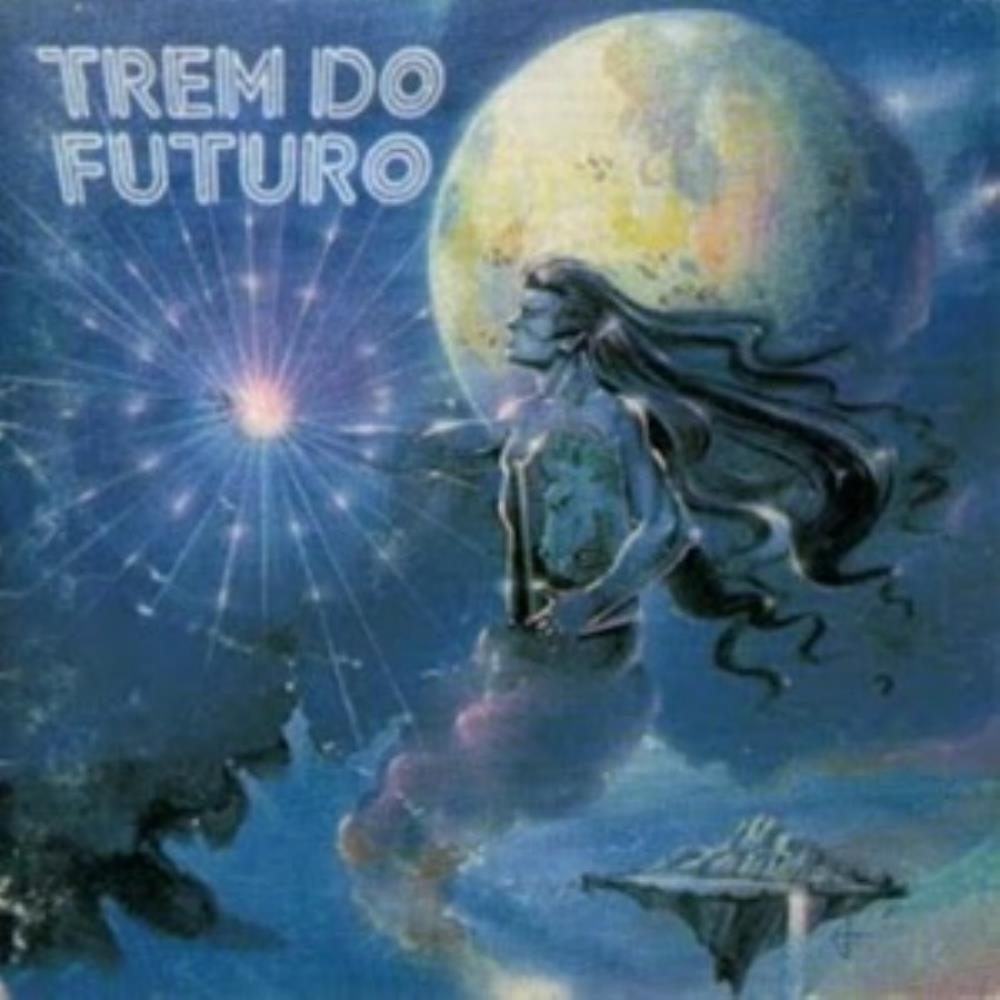
Vagão 1 - Réquiem da louca (Trem do futuro, 1995)

I know this track by Brazilian band Trem do futuro won't meet my most adventurous friends' expectations, but I like some vintage and even derivative tracks now and then. In this case, I actually appreciate the dynamic texture of the music and the good changes in tempo and instruments. For example, what can I say of the flute and the electric guitar? Both are so well nestled into the electronic background and so naturally exploited!

"Trem do futuro" was the debut album by this interesting band.

The vocals also come in at the right time, singing a very well found theme and taking advantage of the double voice (masculine and feminine) line up. A lively and easy kind of prog with that special sunny touch I often find in Southern American groups. Just a final ramark: a better production should have been useful to this song and to the entire self-titled album. That said, this is a joyful and passionate way to keep on proggin'...