Showing posts with label Finland. Show all posts

Tuesday, 1 August 2017

Outlines (The Chant, 2012)

The Chant are a Finnish band born during the 1990s, but their debut album was only released in 2008. This track, "Outlines", features some of their best qualities: it begins like many other post-rock compositions, then it unfolds a succession of diversified and fascinating atmospheres. Being a 7 members band, The Chant can put into their melting pot a good deal of instruments, encouraging an open-minded approach and a well assembled songwriting.

"A Healing Place" was the third studio album by The Chant.

I like the way they alternate full-bodied, thick passages and almost bare vocal-piano or vocal-guitar breaks. Sure, some of their moods aren't brand new and follow the contemporary post-rock trend, but The Chant are more than this, and a warm and definitely prog soul springs up when you don't expect it.

Monday, 18 July 2016

Proletarian / Inspired Machine (Wigwam, 1974)

Wigwam are the most represented Finnish band in my blog and I think they deserve it. This two strictly connected tracks open one of their best albums, "Being", and they feature all the open-minded and unpredictable mood of such a seminal work. Written by Jukka Gustavson, they're keyboard based and lively ballads mostly exploiting the same theme but with different tempos.

I'm also fond of Wigwam's peculiar taste when it comes to covers.
 
I appreciate the brave choice of unusual chords and melodies, floating on a musical seesaw, swaying between slightly dissonant harmonies and more traditional prog folk paths. There's a stunning balance in this mini-suite, that's never too experimental and never too mainstream, leading the listener through mixed moods and colourful landscapes. I guess that's why I come back to it from time to time and each time I'm as pleased as I was in the first place.

Wednesday, 20 April 2016

Beginning to End (Overhead, 2002)

"Beginning to End" is a 20 minutes suite by Overhead, a Finnish band that - at least in their early years - cleverly assimilated and readapted the progressive canons of the Golden Era into a new, flushing and fascinating shape. Sure, this is a somehow naive track, packed with classic influences and easily recognizable sounds, but the band also added original solutions and a good deal of passion. 

"Zumanthum" was Overhead's debut album.

The composition is divided into five parts, building up an excellent epic track, higly diversified and coherent too, mainly instrumental and with a deep emotional strength. This music can be traditional in a way, still it seems to me fresh and unaffected, bright and flowing. Be ready to live an enjoyable, all-inclusive travel to the land of Good Ol' Prog!

Saturday, 20 February 2016

Mikä aamu (Scapa Flow, 1980)

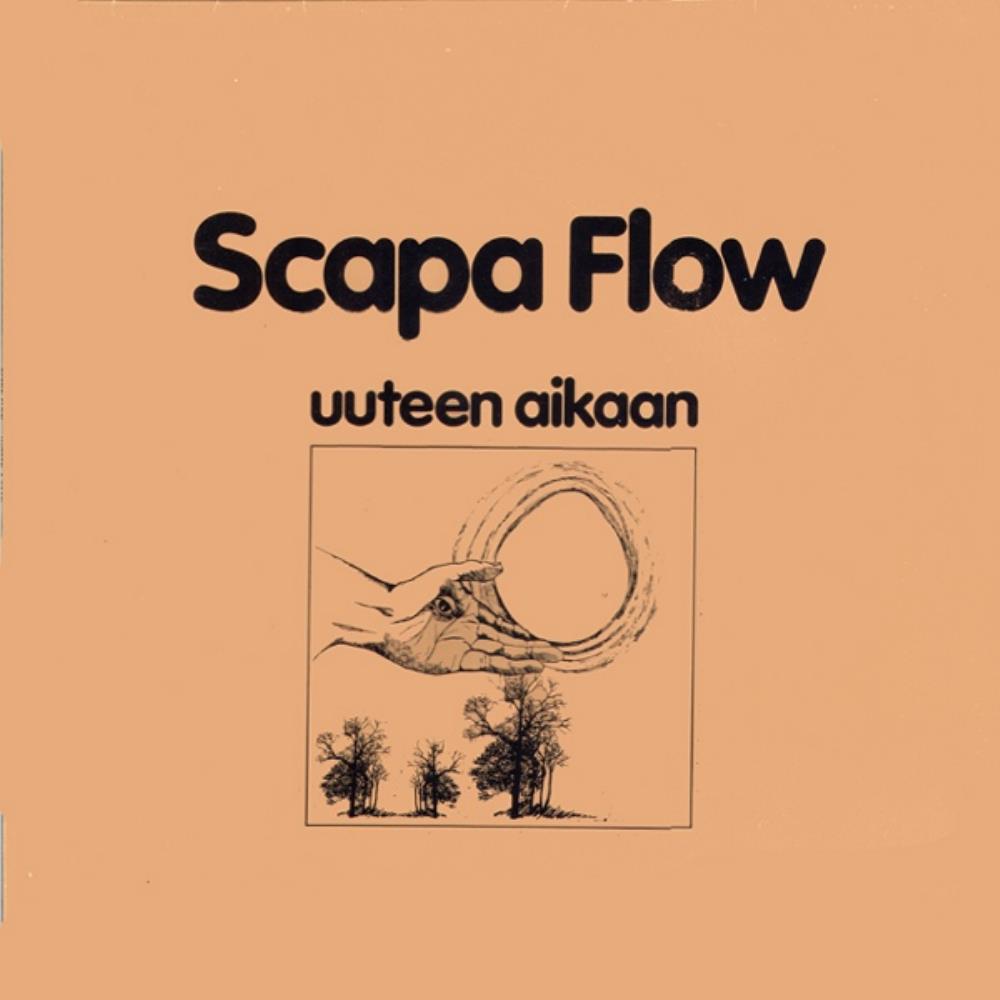
Scapa Flow were a short lived Finnish band that only released one charming album in 1980, titled "Uuteen aikaan" (taht's "A New Era" in English). Packed with sweet melodies and enthralling interplays, this record sounds like Jethro Tull meet Genesis and has a Northern melancholy bonus touch. "Mikä aamu" is a track that fully represents the gentle and folkish mix the band created and performed.

The band members were just three, plus three guest musicians.

The flute plays a central role, but all the instruments add their strong and lively contribution to a magic and never trivial song. And as  the singer employs the band's native language, the final effect is even more original and genuine. Fairy, yes, but not childish at all. Gentle, that's for sure, but never sweetish nor monotone. What else do you need to get a try?

Tuesday, 3 November 2015

Ennustus (Nimbus, 1973)

With their sole album "Obus" those Finnish musicians created an arcane and fascinating kind of prog rock, where the keyboards and some acoustic instruments (mostly a violin) mix up spacey and psych atmospheres and strong folk roots. This track in particular, called "Ennustus"(meaning "Omen"), is a good example of the deep, dark, liquid and unpredictable music Nimbus used to play.

This album also exists on CD with live bonus tracks.

Strangely speech-like vocals, keyboard and guitar solos, a soft background and a stunning series of tempo changes give a strong, intricated personality to the song, so that you couldn't compare it to any other band's work. I wonder what a bunch of musicians like this one could do nowadays... but of course they came out in such a flushing musical era that they only lasted a couple of years. Too bad, IMHO.

Wednesday, 16 September 2015

Tulen Pisara (Fantasia, 1975)

This arcane, atmospheric and somehow disquieting track comes from the only album released by Fantasia, a Finnic band active during the 70s. Their eclectic vein ranges from the romantic accents to the jazzy arrangements, including a good deal of acid guitars. "Tulen Pisara" offers a sweet and rather melancholic sung theme, some interesting vocal harmonies and a liquid instrumental central section that really brings the listener to the lysergic era.

Fantasia disbanded in 1979 releasing only this self-titled work.

The keyboards provide a misty background on which the guitars draw their winding and effective pattern. I sometimes wonder how many prog pearls like this one hid themselves in dusty and forgotten shelves. Disbanded bands, long gone experiments, one-album acts from the end of the world... I'm grateful to all those digging into the prog rock history and giving to those songs a second chance.

Wednesday, 29 July 2015

En aio paeta (Wigwam, 1969)

No doubt Procol Harum played a central role in defining what we call today proto-prog. And they influenced so many bands all around the planet. Finnish Wigwam also started their huge career including two or three Procol-shaped songs in their debut album. This "En aio paeta" ("I'm not going to escape", more or less) is a good example of their proto-prog period and also a good song. The finnish lyrics add an exotic mood to the track and the piano plus organ arrangement is essential and effective.

Wigwam's first studio album was called "Hard n' Horny"...
 
A vague folk inspiration and the well released vocal harmonies underline the pastoral atmosphere and I especially like Matts Huldén's bass line, so warm and neat. Some say those old songs are just archaeological curiosities, but when I listen to this plain and short composition I wonder how many glorified current bands could give me as strong emotions as "En aio paeta" does in its three minutes or so of old, charming poetry.

Wednesday, 13 May 2015

Terra Hidria (Hidria Spacefolk, 2002)

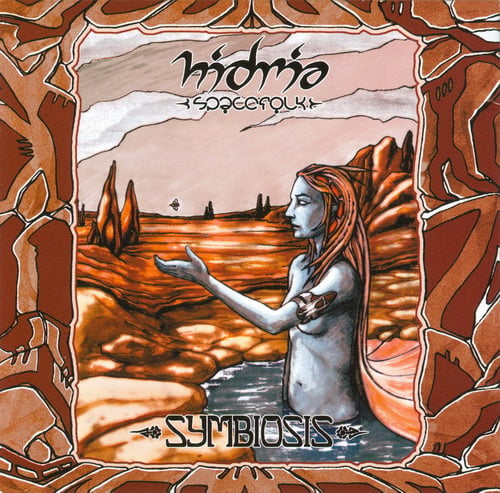
Those Finnish musicians are among the few space-rockers an old progfan like me can fall in love with. Their instrumental tracks aren't only full of arcane, intricate soundscapes - like Ozric Tentacles, for example - but they also happen to mix acoustic and electronic instruments in an almost perfect way. Different cultures, different moods and different tempos are set up in this "Terra Hidria", the opening track of their "Symbiosis" album, to take the shape of an unpredictable and still fully enjoyable piece of music.

"Symbiosis" was Hidria Spacefolk's debut album.

Strange, yes, but never weird. Tricky, yes, but never Beyond the listener's comprehension. The solos and the interplays aren't mere atmospheres, but they build up a true melody before your very ears, a delicate and well structured castle made of dreamy stuff... wait, I think it was the stuff the dreams are made of, wasn't it? Forget all I wrote, guys, and go straight to the music. Simpler that way.

Thursday, 1 January 2015

The Lie And The Liar (Ageness, 2009)

Pleasant, sweet but never sweetish, Ageness' music seems to me a sensible compronise between neo-prog melodies and symphonic rock arrangements. These Finnish musicians like IQ and Marillion, but also Rush and Genesis (Igeness would have been a perfect anagram of the latter), so their music is well balanced and doesn't sound monotone at all. I like their largos and the skilled guitar solos  by Speedy Saarinen (once again, nomen omen...).

This album came after an eleven years hiatus. It's the last one to date. 

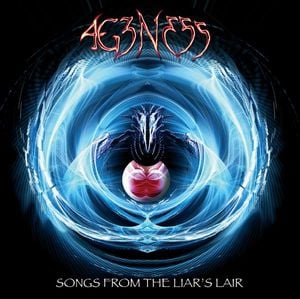
But then, this is a mature track, coming from the band's fifth studio album,"Songs from The Liar's Lair", showing how much a well attended musical clockwork can be refined year after year. This doesn't mean Ageness are a cold hearted band: they always add the right dose of soul and emotions to their best songs - such as this one - and the vocal performance is an excellent way to succeed in this. A very good and captivating way to prog, I'd say.

Friday, 8 August 2014

Jurassic Spark (Grand Stand, 2002)

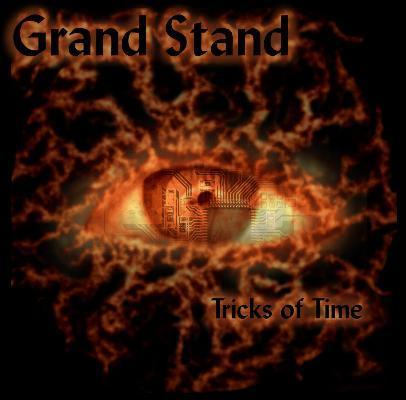
Grand Stand are a Finnish act lovingly caring their Genesis origins and I can't blame them for this. The problem is that their first album was mostly a derivativeone, too much similar to their model (well, more or less, I mean). But their second CD, called "Tricks of Time", is far better. Sure, the Charterhouse band is still there at their side, but many other influences, and a new rhythmic fantasy as well, enrich Grand Stand's musical horizon.

This band also contributed to "Kalevala", a very
good AAVV 3CD concept based on Finnish sagas.

The track is rather long (more than 11 minutes), but features so many changes and moods that you could even ask for more. Olov Andersson's voice is good and strong, but the sung parts are less original than the instrumental ones. These are really  unpredictable and charming moments, with a special mention to Michael Jensen's guitar. A good track for traditional prog fans and maybe for all prog fans.

Wednesday, 27 November 2013

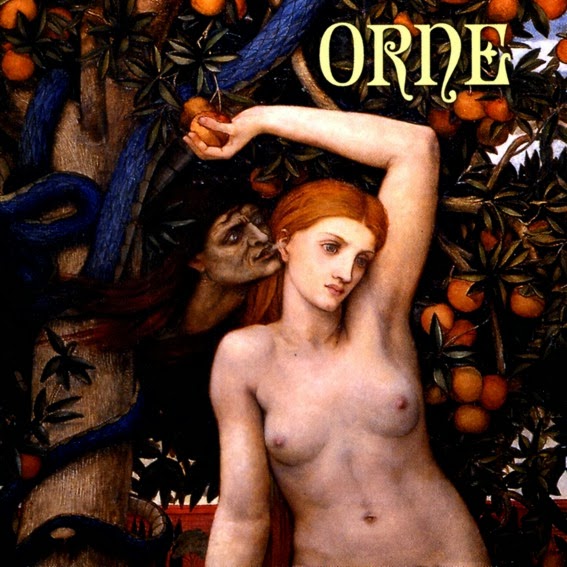
The Return of The Sorcerer (Orne, 2011)

Orne are a prog side project of Finnish doom metal band Reverend Bizarre, including the three members of the "mother" group plus three other ones. It was difficult for me to choose a single track from their second album "The Tree of Life", as I think the whole CD is a pearl. Anyway, this "The Return of The Sorcerer" is a perfect example of Orne's dark, slow tempo, mysterious prog rock.


This album was a plasant surprise for many proglovers.

You'll find here a beautiful melody, a couple of vintage keyboards and a vagely acid guitar, but also a deep and strong lead voice singing esoteric lyrics the way some Early prog band used to do back in 1970. The final instrumental section of the track is a treat with its arcane atmosphere and the Floydian electric guitar playing on a thick keyboards background. Delicate and solid, melancholic and energetic, fairy and sensual, old and surprising, this is the kind of music I call prog.

Tuesday, 17 September 2013

Lost without a Trace (Wigwam, 1971)

One of the shortest tracks in this collection - just 2'29" - and one of the sweetest and warmest ballads I've ever listened to. The Finnish band Wigwam was one of the first non-Briton bands to release fully progressive albums between 1970 and 1971 and they're worth more than a single listening. This "Lost without a Trace" from their third album "Fairyport" isn't among their most celebrated songs, but I'm charmed by its muffled atmosphere and the effective, simple arrangement including piano and acoustic guitar.

Wigwam's line up circa "Fairyport" era.

When I need a little rest I put on this track and I'm gently carried away in an old and cosy drawing room, in a winter fadind day, warmed by a lively fire. The melody is really beautiful, Jukka Gustavson's voice is pleasant and sensitive and after all nothing so complicated than setting up a plain song. I highly recommend this after a progressive epic track...

Sunday, 23 June 2013

Metaepitome (Overhead, 2005)

This is the title track of Finnish band Overhead's second album, released in 2005. It's a 19'40" suite well written and well performed by those five young musicians. Like many other similar bands, Overhead explore prog rock history and in "Metaepitome" suite you'll recognize Pink Floyd-like slide guitars, crimsonian Mellotron effects, rock flute à la Jethro Tull and so on. But you'll also find an original sound, made of nordic melancholy and a good mix of rock and folk roots. Also the vocal parts - both lead and choirs - are distinctive, with modern and classic nuances.

Here's the cover art for "Metaepitome".

Slow and fast sections, electric and acoustic instruments, complex and plain melodies, vocal and instrumental themes... all is very well arranged in the general architecture of the track. I was also impressed by some unpredictable changes, especially when the piano comes in or the first vocal theme comes back to close the suite. The lyrics are obscure and suggestive, describing a man's inner choice when facing war and death. In short, this is not a revolution in prog music, but you'll certainly appreciate Metaepitome for measure and moderation, two rare qualities in young bands: never too old or too modern, never too technical or too romantic, this suite will provide some 20 pleasant minutes to the listener. I'm enough old to value such a merit.