Showing posts with label Argentina. Show all posts

Thursday, 30 April 2026

Rapsodia nocturna (Julián Martínez, 2026)

Julián Martínez is an Argentinian musician whose interests span from classical music to the golden era progressive rock. His prog compositions are beautiful instrumental tracks, where piano and assorted keyboards create a deep and relaxed atmosphere, just like in this "Rapsodia nocturna", taken from his 2026 album titled "Ecos del horizonte". 

So romantic, isn't it?

Martínez likes pensive and even painful melodies and the one we appreciate here is one of his best themes, IMHO. As I coldn't find any additional credits, I presume all instruments are played by Julián himself and he surely does it very well: the guitar sound is simply striking and goes deep into the listener's soul, while the keys provide a smooth and rich background. I'm sure this musician will regale us even more in the forthcoming years and I'll be here to inform you.

Thursday, 31 October 2024

El Cortejo de un Día Amarillo (Bubu, 1978)

 Bubu were (and still are, a a completely different line-up) one of the most intriguing bands coming from the vibrant Argentinian prog scene. Their music is always surprising, unpredictable and intricated. This two parts suite comes from their 1978 album titled "Anabelas" and fills the entire A-side of the original LP. Its nearly 20 minutes are divided in two sections: i) Danza de las Atlántides and ii) Locomotora Blues. It really is a tricky experience even for the prog-oriented ears, including dissonant passages and a great deal of instruments: there are 8 official members in the band, a guest pianist and a five members choir. 

"Anabelas" is the only album of Bubu's original line-up.

Rather incredibly, each and every musician has its own space in the track's plot, where guitars, violin, flute, sax, drums & assorted percussions, piano, bass and the choir follow each other, perform beautiful solos and perfecly melt into this fluid, rather jazzy and avantgarde piece of music. Beyond the anarchist façade of "El Cortejo" lies a strong, keenly built structure following the best eclectic prog tradition. So don't be afraid and dive into this suite: you'll surely find something you like!

Friday, 30 September 2022

Reyes en guerra (Redd, 1978)

Redd were from Tucumán,  Argentina, and they were strongly influenced by King Crtimson and other early English prog bands. That said, they had their own way to approach prog rock, with a beautiful mix of electric and acoustic instruments, calm and evocative sung sections, impressive and sensitive percussions and some dreamy, liquid guitars. During their career they released just one album titled "Tristes noticias del imperio" (Sad news from the Empire), even if a second LP was recorded in 1979 but only released twenty years later by a Brazilian label. 

A black and white, essential cover... but there a colours inside!

This track, "Reyes en guerra" (Kings at war), opens their debut album and perfectly represents their style, epecially their mellow side. When I listen to such bands as Redd I wonder how many hidden treasures prog will uncover to my ears in due time... 

Tuesday, 28 September 2021

Los Delirios del Mariscal (Crucis, 1976)

Crucis are one of the most influential bands from Argentina, despite the exiguity of their discography, no more than two studio albums and some live recordings. This is the title track from their second LP, meaning "The Marshal's Deliriums", released in 1976, just some months before they disbanded. Crucis were a rather eclectic act: their symphonic style included heavy and delicate moments and this track belongs to the latter. It's a 10 minute instrumental piece (all songs but one have no lyrics in this album) where Kerpel's calm and elegant keyboards perfectly match with Marrone's guitar solos. 


Juan Gatti is responsible for this beautiful art cover.

The well found recurring main theme guides the listener through an impressive and liquid crescendo beginning with an ethereal, spacey atmosphere and leading to the majestic finaale, something reminding me of Camel's best moments. No intricacy here, no sudden changes, no showy passages: just pure emotion and instrumental skills well spent for the big picture. In short, beautiful and clever!

Friday, 14 October 2016

Génesis (Vox Dei, 1971)

"Génesis" is the opening track of Vox Dei's first and likely best known album, titled "La Biblia" ("The Bible"), considered as the first Argentinian concept album ever. This band was founded in 1967 and started its discography in 1970, showing an eclectic approach to rock, a very prog attitude, I daresay. Multi-instrumentalist Ricardo Soulé is responsible for the lyrics and he was able to abridge the main books of the Bible into brief and effective stanzas, while the music - composed by the entire band - has a warm and melodic taste with some rocky moments.


"La Biblia" was the second studio album by Vox Dei.


"Génesis", in particular, features a beautiful bass guitar work and provides a soft and dense intro to the concept. Useless to say, the whole album deserves the progfans' attention, but "Génesis" is a very good way to get into Vox Dei's colourful and unpredictable world.

Friday, 29 July 2016

Pinturas y expresiones (Agnus, 1980)

This Argentinian band was born in the early '70s, during the Golden Era of prog, but they released their sole album in 1980, shortly before the end of their musical adventure. The title track of their work is a long, rather surprising and mostly instrumental suite, lining up three movements and featuring jazzy rythms, latin sounds, flute-driven improvisations, dreamy sketches, pastoral melodies and some very good vocal harmonies.


A finely drawn artwork, matching with the band's musical mood.

As many other bands from Argentina, some of their musical solutions aren't too far from the Italian prog bands, but Agnus surely had a more experimantal way, a free inspiration and an eclectic approach I hardly remember in their contemporary scene and maybe remind me of Dutch band Focus. They liked everything new and most of all they were able to build up a rythm-based song like this one, with beautiful and delicate melodic interludes. Too bad they called it a day after "Pinturas y expresiones"...

Saturday, 25 June 2016

Linden (Ünder Linden, 2007)

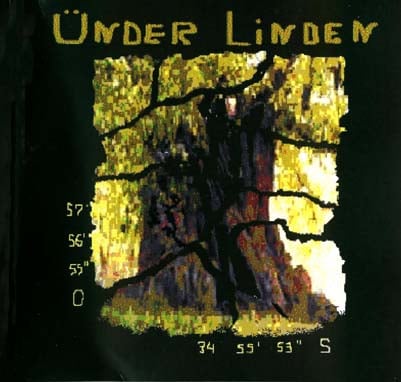
Ünder Linden, despite their Berlin-retated name, are an Argentinian band playing a dreamy kind of prog with a very beautiful violin too. This track, coming from Ünder Linden's self titled album, is one of their best achievements, IMHO, including an arcane intro, some beautiful keyboard effects and, of course, the band trademarks: Roberto Medina's violin and Ignacio Scarsella's electric guitar.

"Ünder Linden" was the debut album of this Argentinian band.

Even if the up tempo section of the track has some pop-rock flavours, it combines the two main instruments in a very original way, so that the listener is pleasantly surprised and willingly follows the joyous and enthralling interplays. The guitar and violin solos are supported by a lively rythm section and a discreet and effective keyboards background. No doubt: this is the perfect piece of music for a dull day!

Friday, 29 April 2016

Lento juego de luces (Espiritu, 1982)

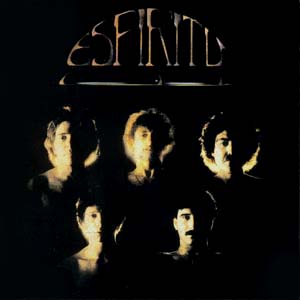
Coming from "Espiritu III", maybe not Espiritu's best effort, this is an uncommon and fascinating track. It is a rather long one (more than 7 minutes) and includes a remarkable sung melody, supported by spacey instrumentals (and a long finale) maily driven by the piano, the bass guitar and assorted keyboards. The sound of the '80s is there, but the well built architecture of "Lento juego de luces" ("Slow light effects" in English) strongly belongs to the previous decade.

"Espiritu III" was, of course, the third studio album by the band.
 
These Argentinian musicians know how to write and arrange good songs and always try to skip trivial solutions, even if their music never goes experimental. That's what you'll fine here: an enjoyable track suspended between prog, pop and electronic easy listening, a song that can dig its way inside the listener's soul. That's all I can expect of a prog song.

Sunday, 7 February 2016

Sin trabajo (Contraluz, 1973)

Contraluz had a successful season in 1973 (especially in Argentina, their home Country) after their debut album "Americanos" was released and surely they deserved it. As this song called "Sin trabajo" ("Jobless" in English) will immediately show, their prog rock was fresh and genuine, influenced by some of the British Masters of the early '70s, but original enough to be worth of our attention after so many years.

Just for the record, the band came back in 1998 with their second album.

The clever mix of Latin American folk, acid guitars, excellent songwriting, dynamic drumming and flute à la Ian Anderson set up a charming atmosphere and a well structured plot. The changes in rythm and mood are so good and surprising that I usually listen to this track three or four times in a row. Last but not least, I love Alejandro Barzi's voice, strong and passionate as a South American vocalist should ever be.

Friday, 13 November 2015

Primavera de una esquina (Aucán, 1980)

Aucán were a rather short lived band from Argentina. This track, "Primavera de una esquina" (meaning "Spring from A Corner"), comes from the album "Brotes del alba" ("Outbreaks of Dawn") and represents very well their kind of prog. It's a poetic, delicate music, including some acoustic instruments and a good electric guitar, somehow inspired by Mr, Latimer of Camel fame. As this song can prove, the band could also be compared with the mellow side of Italian prog in both musical and litterary sides.

"Brotes del alba" was the second and final LP by Aucán.

You'll also find that such a lyrical piece of music never goes sweetish nor boring: there's an airy and bright mood all along the track preventing any affectation. This perfect mix of sweetness and neatness actually charms me and such a song hardly looks dated today. That's why  I hope you'll enjoy another Argentinian pearl of progressive rock.

Monday, 28 September 2015

Color humano (Almendra, 1969)

The self-titled debut album by Argentinian band Almendra can be considered as an essential brick in the building of South American rock 'n' roll wall. This track, in particular, is the proggest side of such an interesting brick. Not only it was a 9 minutes one, but it was a brave mix of many different moods. A melodic ballad meets a very acid and bluesy electric guitar solo, then a bass guitar and electric guitar interplay before the ballad comes back.

Almendra were going to explore many sides of rock...

Some abrupt changes in the final section add more and more original elements to the song, definitely an unusual combination of colours and sounds. Another good example of the culture medium on which progressive rock was silently growing up in Argentina and in the entire Latin America. Not only Britain, then... we knew that, but another living proof is welcome.

Thursday, 13 August 2015

En el hospicio (Pastoral, 1975)

This title track, taken from the second studio work of Argentinian duo Pastoral, is a very good example of simple and effective folk rock with many and welcome elements of prog rock. The plain ballad forming the essential part of the song is enriched by electric guitar bridges, well done vocal harmonies, a touch of keys and a coherent, discreet drumming. The track starts with a bare acoustic guitar plus vocals intro, then the other instruments come in and here you are a soft and rather easy version of progressive rock.

Pastoral were Alejandro De Michele and Miguel Angel Erausquin.

Even if the song is a very short one, I can tell some strong points, like the guitar solo (a very good one, believe me), the organ underlining the chorus and - of course - the final reprise of the acoustic intro. If you read or speak Spanish, you'll also find interesting lyrics, in the vein of protest songs, a popular genre during the '70s. If you don't, then enjoy the music... it should be enough to re-listen "En el hospicio" very soon.

Monday, 15 June 2015

Icarus (Rael, 1992)

Oh yes, we all know who Rael is, so you won't be surprised to know that Rael were a Genesis and other prog icons tribute band from Argentina since 1985. Finally, they also released an album of original songs in 1992 called "Máscaras Urbanas " (that's "Urban Masks" in English). As you can easily imagine, their sound is tsrongly influenced by the Charterhouse pupils, but these tracks are pleasant and packed with emotions. The lead singer (and drummer!) Ignácio Rodríguez has a voice that's somewhere between Peter Gabriel and Fish and a passionate style I appreciate very much, especially in this song, "Icarus".

Genesis fans will surely appreciate all the songs in this album.
 
Sung in English (the album included both Spanish and English lyrics), this is a melancholy song, with a well found melody and some charming instrumental bridges. It's more neo-prog inspired than the rest of the album, and I also think it has a fresh and easy-going touch in it, just like Marillion used to have. Unfortunately, Rael disbanded some months after the release of their album, but the French label Muséa re-released it in 1997 for the international prog fandom. If you're searching for warm and familiar prog, this is for you.

Saturday, 18 April 2015

La herencia de Pablo (Pablo, 1983)

Pablo are one of finest Argentinian prog bands and their debut album called "Pablo el enterrador" (meaning "Pablo The Gravedigger") still stands as a classic today, so that the band is usually known with this debut LP name. The track I'm introducing here, "La herencia de Pablo" (that's to say "Pablo's Heritage") proves how agreeable and well played Pablo's music was. Very similar to Italian prog, this is a clever mix of acoustic instruments, mild electronic keys and vocal harmonies.

Pablo's fans had to wait until 1998 for the band's second album!


This track, in particular, is one of the most joyful and progressive ones in the album, with a constant piano / synth / guitars interplay, going through many fast progressions until the final, glorious guitar solo. The main theme is lively and pleasant, and the rythm section perfectly supports the leading instruments. It's the closing track of the album, an instrumental outro of the concept, based on  Pablo's character. A hidden, warm, passionate and rather naive pearl of Latin prog, if ever there was one.

Monday, 2 March 2015

Encadenado al ánima (Invisible, 1975)

Invisible were one of the best Argentinian prog bands during the '70s Golden era and this long epic opens their second album, called "Durazno sangrando" and released in 1976. Sung in Spanish, this is a very, very interesting composition, full of different moods and unpredictable changes. Excellent melodies, slightly jazz passages, R'n'B echoes, enjoyable instrumental parts... everything here is well done and well set in its place.

"Durazno sangrando" was Invisible's second studio album.

The vaguely acid guitars stress the original and deep vocal performance, and when the tempo rises up, we also appreciate the rythm section and especially Carlos Rufino's bass guitar. I also like the way the band had to get somewhat liquid and to put bluesy largos into the liveliest moments. I know it sounds incredible, but this is just like Hendrix meets Italian prog. And if you don't believe me, please go and listen for yourself.

Friday, 14 November 2014

Las colinas y el maestro / Epilogo: Sudamérica (Arco Iris, 1972)

Arco Iris, a seminal band from Argentina, wrote their most celebrated opera in two LPs and 26 songs "Sudamérica o el Regreso de la Aurora" (meaning "South America or The Coming back to Dawn") in 1972, and still today this final track is one of their best compositions. Short and apparently plain, the song is actually a little gem when it comes to vocal harmonies and acoustic / electric instruments blend.

"Sudamerica" was the  band's fourth studio album.

It's actually a track belonging to two different worlds: the South American folk and the European Prog and Jazz rock. Of course there are more complex and longer songs in this double LP, but I can't help loving this one, so full of life an colours, so deeply infused in the '70s spicy waters and with such a catchy melody. Also the spiritual concept of the album, written by vocalist and guitarist Gustavo Santaolalla, is coherent with its era. A full immersion into an everlasting musical dream.

Monday, 1 September 2014

Las Moiras (Láquesis, 2013)

If you feel like going back to symphonic rock roots, back to the good old prog days, this Argentinian band fits you very well. They play the way we used to like with a more eclectic approach and create both bombastic walls of sound and gentle acoustic interludes. More than this: they dare to put down in music the Ancient Greek myth of "Las Moiras" (yes, the Fates) in a beautiful, unpredictable, progressive suite. This is divided into four movements: "Láquesis", "Cloto", "Átropos" and "Requiem", retracing the Fates' job and their fatal output.

Hope to listen more by this Argentinian fivesome... 

They were brave, those guys from Rosario, as the theme isn't new in the progressive world, but they face challenging comparisons with all the fire of their enthusiasm and with their excellent skills both in writing and playing. I like all the sections of this epic, especially the energetic intro and the atmospheric passages. I'm happy to know there are still musicians into symphonic rock out there and I'm glad to see how original they can be, despite all the music that's flown along the river Prog.

Friday, 25 July 2014

Buscando sombras (Chaneton, 2010)

"Buscando Sombras" ("Searching for Shadows" in English) comes from "Sombras distantes" ("Distant Shadows"), the third studio album of a very interesting prog band from Argentina, called Chaneton, that's their founder and guitarist's last name. This musician is also known for being a member of Mandragora, an internationally praised local band. You'll immediatly recognize the Genesis, Fish era Marillion and also Pendragon inspirations in this song (not only here, to be honest), but also its strong emotional content.

This band debuted in 2000 and also released a Genesis tribute CD.

Not so many neo-prog musicians know how to move the listener and how to avoid useless technicalities and a cold display of spacey atmospheres. Chaneton fill their songs with something I'd like to call the human touch and they succeed in communicating inner feelings and warm sensations. Of course, Alex Chaneton's guitar solos are their best feature, but the rest of the band isn't a mere filler: they all play well and earnestly. That will be more than enough for me.

Tuesday, 11 February 2014

Signos en el cielo (Nexus, 1999)

This 11 minutes bombastic, symphonic track comes from Argtina and more exactly from "Detrás del umbral" ("Behind The Threshold", in English), the debut album of Nexus, a very interesting Buenos Aires based band. What I most like here is the wide range of musical solutions they adopt, including excellent keyboard effects and an effective rythm section. I also appreciate the strong and beautiful voice of Mariela González, actually fit for both delicate and heavy passages.

All is bombastic here, even the cover art...

Nexus are specially able to mix modern and vintage sounds, so that you'll find here electronic up to date effects and the good ol' Mellotron ones, distorted guitars and dreaming arpeggios, atmospheric moods and wild progressions. The lyrics in Spanish ("Signos en el cielo" means "Signs in The Sky", as you surely guessed) add something new to the big picture and there's a very good wall of sound in the most emphatic peaks of the song. Seems like the Giant Hogweed is back to strike its enemies.

Friday, 3 January 2014

La casa de la mente (Espiritu, 1975)

There's more good in Argentina you can imagine, old and new prog, I mean. This track, for example, is the opening one of Espiritu's first album, "Crisálida", released in 1975. The song begins with a long, atmospheric, almost spacey keyoard intro, then a devilish electric guitar comes in and the tempo jumps up. Soon after, here's the sung section (in Spanih), accompanied by acoustic guitars and some piano effects.

This cover reminds me of some American SF magazines of old.

It's a lively ballad with a 2 minutes central instrumental interlude including good guitar / keyboard interplays and a choral touch. There's a strong taste of the '70s in "La casa de la mente" (meaning "Mind's Home"), but the sound is rather original, close maybe to some Italian bands like PFM, but with its own distincive feel. I recommend this song to anyone liking rich, diversified and well balanced compositions. Like me.