Showing posts with label Hungary. Show all posts

Tuesday, 28 March 2017

Spartacus Concerto I, II, III (Rumblin' Orchestra, 1998)

Rumblin' Orchestra's album "Spartacus" is a very good example of flamboyant and orchestral progressive rock, still it never goes too tricky and keeps a pleasant and not-too-intellectual mood. These Hungarian musicans resumed the Roman gladiator Spartacus's history also inspiring the German act Triumvirat for their 1975 album. I especially like this three part Concerto, classically lining up two lively sections and a central melodic interlude.
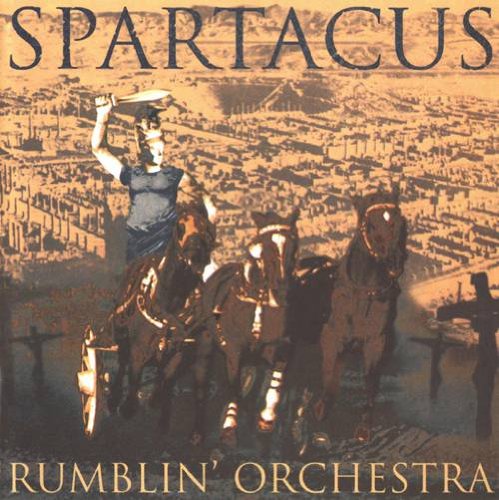
Rumblin' Orchestra only released two albums between 1998 and 2000.,

Not only the music is very well played and arranged, but it is build up on solid compositions and beautiful tempo variations. Even if keyboards are the foremost instrument here, a great deal classical instruments provide a coherent and original sound. And after all, coherence and union aren't so strange when family ties are concerned: five Rumblin' Orchestra members out of six belonged to the same family!

Sunday, 4 December 2016

Édentől keletre / East of Eden (Android, 2009)

Even if Hungarian band Android released their debut album in 2009, they have a long history and strong musical roots in the Seventies. The band's two keyboardists (Sándor Milesz and József Tőzsér) drive this title track, but likely the electric guitar solo by János Dudás is the highlight of "Édentől keletre" and gives a special, spiced taste to this maje instrumental work.

Essential and inspiring. A good cover art, IMHO.


That said, there are many other good moments during this 5:30 minutes song: the opening piano arpeggio, the following acid guitar work, the inspiring drums and - last but not least - the basic and effective theme. Anyway, the main reason why this track is worth our attention is the mix of sweetness and toughness it displays, exploiting both the smooth sound of neo-prog and the sharp touch of psych-prog era.

Friday, 13 May 2016

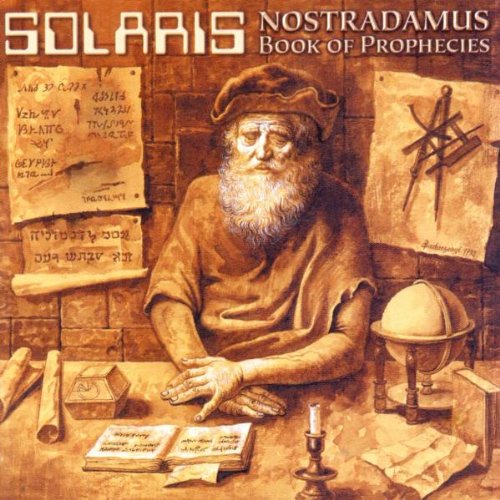
Book Of Prophecies suite (Solaris, 1999)

Solaris are usually known as the band of "Marsbéli krónikák" (or "The Martian Chronicles"), but these Hungarian musicians also wrote and released other excellent albums, among which I recommend "Nostradamus - Book of Prophecies" or, in Hungarian, "Nostradamus – A próféciák könyve". It features the "Book Of Prophecies suite, divided into three parts (Foreword, Birth of Visions and At the Gate of Eternity). The melodic structure of this 20 minutes track is rather plain, based on a main theme and a manifold series of variations.


"Nostradamus" was the third studio album by Solaris.


The general plot is that of a crescendo in both volume and complexity. The ethereal mood of the first movement develops into an almost symphonic arrangement. New musical elements  come in step by step and bring the track to a lush and even experimental finale. This avant-garde and tricky edge is another good reason to treasure "Book of Prophecies suite".

Wednesday, 9 March 2016

Monumentum Valley (Tompox, 2012)

Hungarian band Tompox have a peculiar career: founded by ex bass player of Solaris Tamás Pócs as a live act intended to play Omega repertoire, they gradually found their own way and released new materials. This suite, coming from their debut album "Hungarian Eclectic" perfectly represents the keyboard-based kind of prog those musicians like. Relaxing themes and atmospheric passages rule this epic (and most of Tompox songs) creating a fluid and enjoyable stream of music well supported by a lively rythm section and enriched by a rough electric guitar.

Tompox were born around 2008 and released this album in 2012.

The suite is divided into two parts and I especially like it when Ádám Tasi's flute draws delicate and airy soundscapes and, of course, when Pócs' bass guitar comes in, breaking or enhancing the synth melodies. All in all, the track is never boring nor redundant and it provides a diversified and joyful way to spend 18 minutes or so.

Tuesday, 22 December 2015

Négy évszak (Panta Rhei, 1980)

This four part suite was released by Hungarian band Panta Rhei in 1980 as the longest track of their self-titled album and mixes the two prominent inspirations of those musicians: electronic rock and, of course, prog. Its title (meaning "Four Seasons") reveals that this was another composition based on the frequently exploited theme of the different parts of the year. Even so, this song is an interesting and original achievement. The '80s pop sounds are there, especially in the first section (inspired by Winter) and here and there throughout the suite, but a symphonic and fully progressive plot is also important.

This was Panta Rhei's first official LP, even if a previous album
was recorded in 1977 and only released many years later.
 
Catchy themes and unusual sound solutions follow one another. The band had previously recorded more uncompromising music following the steps of ELP, but I also like the way they tried to be more commercial and never trivial in this track (and in the rest of the album, that's to say). Dated? Maybe, but pleasantly written and strangely hybridated. Curious and intriguing, I'd say,

Monday, 24 August 2015

A Gadarai Megszállott (After Crying, 1992)

If ever you like experimental and classically-conceived prog, After Crying could be your band and surely you'll like this epic track, opening the 1992 album "Megalázottak És Megszomorítottak". It's an uncompromising suite, starting with a slow, long and acoustic crescendo, an instrumental, atmospheric section providing the background and the mood for the entire song. The cello and the piano drive this part, with the support of a delicate drumming. An obscure landscape rises around the listener and dark shadows seem to surround the music. No other bands sound like this. After more than 7 minutes, the vocals (in Hungarian) come in drawing a gentle and beautiful melody, with a violin underlining Péter Pejtsik's voice... something original, but not too far from Hammill's way, if you ask me.

I think this cover art is perfect for After Crying dark prog.

I really like this section, but after this, a deep, sad experimental one gets the listener's attention: it's a slow, diversified and atmospheric section, lining up sung and instrumental moments, with a cello on the foreground. It gradually changes in a somehow more dynamic section, including a rythmic piano and the oboe. Well, this is heartbreaking, IMHO. A female reciting voice introduces a strange and short bridge, where wild sounds and atmospheric chords follow one another. The final section is announced by a trumpet and has a joyful rythm for a change.... then the birds come in and the track is over. Should I say more?

Tuesday, 5 May 2015

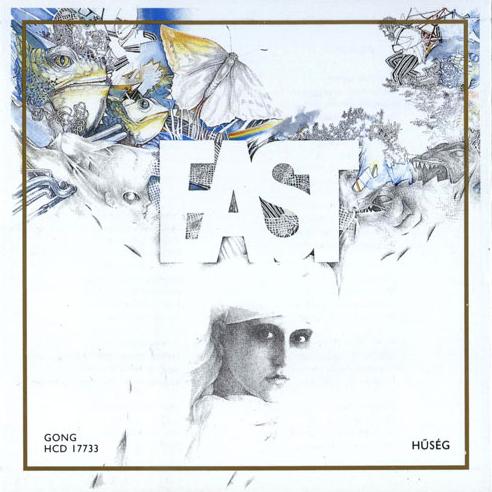
Várni kell (East, 1982)

Hungarian neo-prog heroes East released their second album, called "Hüség" ("Faith") in 1982 and this is likely my favourite song from it. It is titled " Várni kell" ("You Must Wait") and is a very good example of easy progressive pop/rock, including a catchy sung theme and a series of keyboard-driven instrumental parts. The guitar adds its distinctive touch to the big picture and the rest of the band cooperates to build up a very pleasant song.

I also happen to like this cover art very much...

Sure, this isn't for my most adventurous readers, but I'll ever be partial to the groups carrying on more or less prog choices in a difficult era and what's more I don't think such musical efforts were encouraged by the Hungarian political establishment. That said, this song is also well played and well sung by Miklós Zareczky and more than this, there's a well found mix of electronic effects and acoustic instruments. Well done,our Hungarian friends, well done!

Monday, 16 March 2015

Az átutazó (Tabula Smaragdina, 2010)

We can condider these musicians as a Hungarian act, even if one of their fouders, multi-instrumentalist   Akos Bogáti-Bokor, actually belongs to the Hungarian minority living in Romania. Their prog rock is a very pleasant one, firmly rooted into the synphonic ground and based on very good melodies. The vocals in Hungarian language are gentle and sensitive, while the acoustic instruments - especially the guitar - cleverly add their warm sound to the electronic keyboards.

The title of this album means "Beyond Words".

The title of this song - taken from the album "A Szavakon Túl" - means "The Passenger" and I do see a long distance feeling in it. The Yes-like intro is followed by many different moods and the whole track has a diversified and never boring architecture. Surely the bass lines - also played by Bokor - liven the song and so Zsigó László's percussions do. An interesting, somewhat unexpected way to go synphonic... and a magic gate to modern Eastern European prog.

Sunday, 26 October 2014

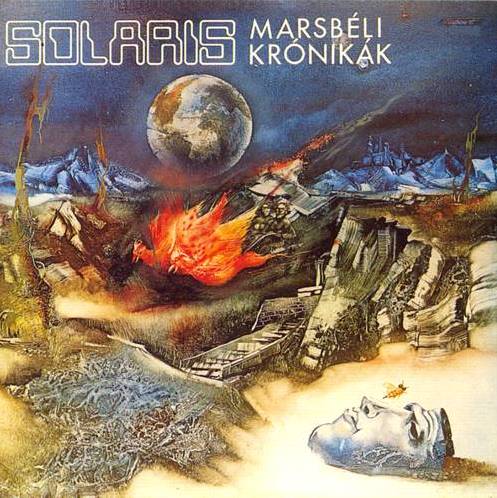
Marsbéli krónikák (Solaris, 1984)

So full of Science Fiction inspirations (Bradbury's masterpiece Martian Chronicles for the track title and Lem's work for the band's name), this song is obviously an excellent specimen of electronic progressive rock. It's a long suite divided into three tracks and six movements, a collection of original arrangements and majestic atmospheres. Keyboards, keyboards everywhere, as you can imagine. And very good ones, to say it all.

This album included the title epic and six more tracks.

But the space mood doesn't mean this work is cold: on the contrary, emotions are fundamental here and you can almost touch them, especially when Attila Kollar's flute and the guitars add their sound to the keys. The resulting mix is something new and addictive to me. The choral parts are also worth a special mention, but the main treat is, IMHO, the way Solaris merge plain melodies and futuristic sounds. This is probably the most known Hungarian prog rock track ever, and I think it deserves such a widespread interest.

Saturday, 19 July 2014

Suite (Omega, 1974)

Useless to say, Omega are the most known and successful Hungarian prog band ever. Their 1974 "Suite" (or "Szvyt", in their own language) from the album "200 Years after The Last War" is probably the most traditionally prog composition of Omega. Nonetheless, it is a very original mix of moods and styles and a beautiful example of eclectic use of keyboards. You'll find two key players raging on Hammond, Mellotron and Moog and a very good, constant interplay between them and the guitars. Drumming is essential but very effective, so that all the suite's sections sound fresh and natural, with a bit of everything inside.


In this period, Omega used to release their albums
both in Hungarian and English versions.

Free jazz, heavy rock, space rock, atmospheric melodies, electronics and even a pinch of American slide guitars! A pretty mess, no doubt, but János Kobor's voice and the special touch the band has when lining up acid and sweet passages provide the coherence and the unity the track needed. The '70s in all their variety and splendour, I daresay.

Sunday, 19 January 2014

De Profundis (After Crying, 1996)

Coming from this Hungarian band's fourth studio album, "De Profundis", an eleven and half minutes suite divided in three movements, is one of their best achievements, IMHO. There's nothing derivative or trivial here and all the solutions are highly creative. Sure, the morn and down tempo mood of the song is somewhat linked to some of the greatest bands of the '70s (especially King Crimson, I'd say), but you'll hardly find in it a direct reference to any of their songs.

A really good album I highly recommend
...if you're not into metal prog, that's to say.

"De Profundis" is a really emotional track, featuring a classical and rich orchestration, based on keyboards and a killing touch of viola, violin, flute and bassoon. And when these acoustic instruments come in together, in the long instrumental section of the song, emotion rises up even more, sadness fades into sweetness and I actually touch the sky. Another special mention goes to the strong and sensitive vocal performance (in the band's native tongue, something I always like) adding an inner feeling to the big picture. In short, "De Profundis" is a precious experience for any prog lover. And for the rest of the world too.

Tuesday, 30 July 2013

Gyöngyhajú lány (Omega, 1969)

In the wide and never enough explored proto-progressive galaxy, this song deserves a special place. Firstly, it's an East Europe band's track, not as usual a location as it is today for a prog rock group. Secondly, this was a huge success both in its original language and in translated or cover versions. Omega is a real monument in Hungarian rock history and this song comes from their second album, called "10000 lépés" (in English, "10000 steps"). The song title means "The girl with pearly hair" and it's a long, slow ballad with a slightly synphonic arrangement, soft keyboards and a psychedelic electric guitar and a very good vocal performance, featuring strong volume variations.
 
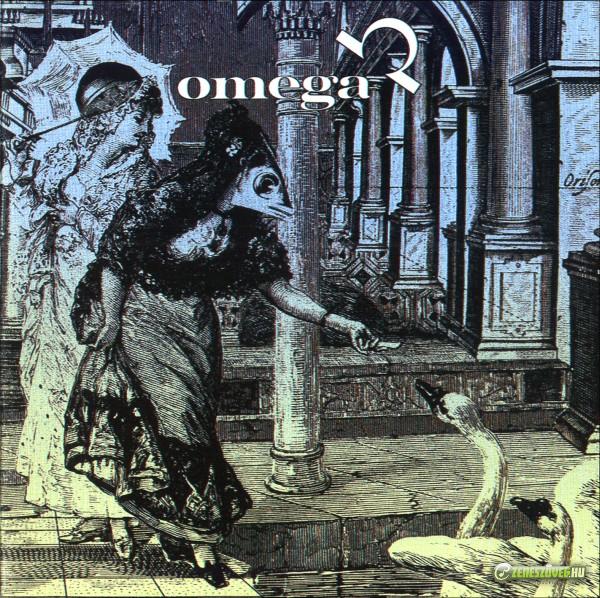
The original "10000 lépés" artwork.
 
The catchy chorus has an inusual strenght and a gypsy taste. I highly recommend the album version, including a short but good instrumental interlude and some more choral variations of the main tune. This song proves how the musical and cultural background of the late '60s, that was soon to give birth to prog rock, was widespread and not only in the Western countries.