Showing posts with label Portugal. Show all posts

Saturday, 16 July 2016

Sorry (Daymoon, 2011)

"Sorry" is perhaps the best way into Daymoon's musical world. This band is the brainchild of Portuguese old running prog musician Fred Lessing, that after so many years of honoured service in a series of wannabe prog bands, finally found the right line-up for a well established act. As you'll discover in this composition, taken from the album "All Tomorrows", Daymoon's music is trongly influenced by Gilmour-era Pink Floyd, with an apparently strange addition: the flute and some other wind instruments, mainly played here and there by Lessing himself.
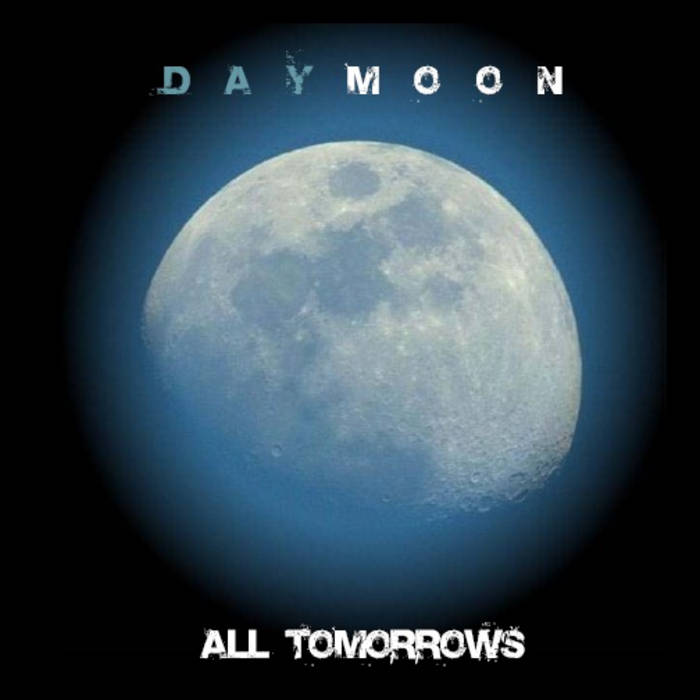
The Moon, of course, but not its Dark Side, this time...

A more cospicuous electronic background is also patent, but of course Lessing's guitar is one of the highlights of this song (and of the other ones too). I appreciate the changing moods of "Sorry", some of them being as strong as in a proper suite... and after all the returning themes and the balanced architecture of the song also work like in a composite track. All in all, this is an enjoyable and modern piece of prog, with roots plunging into the past and branches pointing at the future.

Saturday, 7 May 2016

A Beira Do Fim (Tantra, 1977)

Gone through a series of changes, breaks and reunions, Tantra are all the same one of the most interesting prog bands of the Portuguese scene. "Misterios e Maravilhas" (that's to say "Mysteries and Wonders") surely is one of their most solid albums and the opening track "A Beira do Fim" ("End's Edge") is by far the best piece of music from this LP. It's a highly diversified track, featuring many tempo changes and a good deal of interplays, mostly involving Armando Gama's keyboards and Manuel "Frodo" Cardoso's guitars. 

This excellent debut album was re-released on CD in 2007.

Of course, you'll recognize here the strong - and unavoidable, IMHO - influence of the great British bands from the '70s (Tantra also certify their gratitude and admiration in the liner notes), but there is an original approach to prog you'll also appreciate, leading to some nearly experimental passages. Finally, special mentions go to the hearty vocal performance by Cardoso and to the coherent musical architecture. Do not miss this track!

Sunday, 21 September 2014

Mestre (Petrus Castrus, 1973)

I think it wasn't so easy to be a prog band during the '70s in Portugal, under a dictatorship restricting most of international relations and informations. Nonetheless, a few bands like Petrus Castrus (Pedro Castro was one their founder members) did produce excellent prog, perfectly in line with the contemporary trends. This "Mestre" (that's "Master" in English) also proves how original and eclectic the band's sound was, with its cultivated influences and its rather dark, arcane mood.

The original version of "Mestre". A 2-CD reissue also exists,
featuring an entire previously unreleased album.

These musicians had a strong melodic approach to prog rock, but also liked long, free instrumental sections, ranging over heavy prog, fusion and folk. This is what you'll find here, in the leading song of their debut album, a very good specimen of Petrus Castrus' music, a pleasant, coherent but diversified excursion through the band's land of sound. 

Wednesday, 7 May 2014

10.000 anos depois entre Venus e Marte (José Cid, 1978)

"10.000 anos depois entre Venus e Marte" is the best of the few prog albums by this prolific Portuguese artist, composer, singer and (especially here) keyboardist. The title track of this SF concept fully represents the core ideas of the whole work. A Mellotron plays an up tempo progression, then other instruments join it and the track gets more and more epic, sort of a space opera. The sung section (in Portuguese) offers a relaxing bridge, soon replaced by another José Cid's show.

José Cid explored the prog rock planet between 1977 and 1978.
 
All the vitues and the vices of such keyboard-driven projects are there, but the clever succession of progressions and largos, some unpredictable changes and - most of all - the solid melody on which this spacey castle was build up surely rivet the listener's attention. Each sound has its own colour, each passage is like an opened curtain leading on the prog dimension. So '70s, so vintage, still... so good.