Showing posts with label 80s. Show all posts

Monday, 31 July 2023

Al filo del abismo (Praxis, 1987)

This Mexican band released their only album in 1987. Originally called "La eternidad de lo efĂ­mero", this instrumental work was re-issued on CD seven years later by Italian label Mellow Records with a different title, simply "Praxis". Useful to know, one of the members of Praxis comes fron the Mexican well known act Iconoclasta (also present in this blog). "Al filo del abismo" is the opening track, a very lively and intriguing example of symphonic prog, even with a 80s instrumentation. 

I must admit the cover art is as intricated as most of the music inside.

At first sight, the listener is overwhelmed by the instrumental skills of the band and especially by the keyboard / guitar plots, so swift and dazzling. A further  examination will reveal the brilliant work of the rythm section and the clever exploitation of the main theme. If it is true that a different keyboard set would have improved the general effect of this song (and album), but it is also true that each era has its own sounds and some would consider that as a further reason to rediscover this forgotten work.

Tuesday, 30 August 2022

In My World (The Moody Blues, 1981)

 Justin Hayword wrote this song for Moody's too underrated album "Long Distance Voyager", a proud progressive flag (with some eighties additions) in the genre's darkest years. This ballad is a pefect blend of a folk rooted theme and brilliant arrangements, a rather long ballad with bluesy and country echoes and an extended, beautiful and fully progressive instrumental coda. Old school music, yes, but also state of the art sounds, never boring solutions and that Moody's magic touch! 

...Always been in love with this cover drawing!

Even if the main theme is always there, you never get tired as the band re-work it through an ever changing sound palette. It's a dreamy experience, a fluid, transparent, refreshig stream getting more and more addictive and reaching its emotional peak during the final instrumental section. Another fine example of what a love song can turn into when Moody Blues are concerned.

Saturday, 17 July 2021

YYZ (Rush, 1981)

 This is one of my favourite instrumental tracks ever. It comes from Rush's eighth studio album Moving Pictures. The title is just the identification code of Toronto Pearson International Airport, the one the band reached when leaving their homes and where apparently Alex Lifeson was inspired for the song's rythm by the morse code translation of YYZ (that's - . - - / - . - - / - - . .  and that's the opening sound of the track). This is a highly dynamic piece of music, incorporating both groove and melody, full of changes and pauses the stop and go way that Yes liked so much. 

This track is a real flight, IMHO...

The main theme comes in at well studied intervals and - as usual with Rush - the rythm section provides a rich palette of bridges, progressions and variations. The song's pattern is so unpredictable and sought after that you hardly believe it can be confined in a track of just over 4 minutes. Enthralling and ever changing, YYZ is a manifesto of this band's idea of progressive rock, an idea I like very much... and I daresay I'm not the only one!

Monday, 30 December 2019

The Flower (Amenophis, 1983)

If you had time and kindness enough to read some of this blog's posts, you're likely to know how much I appreciate the bands that had enough guts to keep the prog flame lit up during the '80s. Amenophis did so. Not only this German band released prog albums, but they even dared to play a soft and mystic kind of symphonic rock that I certainly like but - of course- didn't assured them a successful career. This track comes from their debut album and is perfect to appreciate the delicate and varied style of Amenophis. It's a 7:30 minutes suite divided into two parts (The Appearance and Discovering The Entrance in The Shadow of A Dying Bloom), where you'll pick up a srong (and welcome) Camel influence, especially when the guitar comes in, and a very good keyboard work. 

This album was re-released on CD in 1992 by Musea.

Some of the vocal sections sound too predictable (and maybe too much Gabiel-esque) and the production is just as good as the band could afford back in 1983, but there are such beautiful, dreamy moments there that I could forgive much worse flaws. The lyrics about a mystic vision of Nature are reminiscent of the '70s, still they perfectly match with the musical mood of this trio. If you didn't know this band, I'm glad to offer in my blog a chance to get into their world (and you'll find more in my old posts).

Friday, 29 November 2019

Geoffroy (Emeraude, 1981)

If you like well written mellow prog, this French band is definitely for you. And as I have to choose just one song from their little repertoire, here you are Geoffroy, a 17 minutes song with some beautiful changes and strong folk roots. The Medieval smell of this track and its acoustic passages did not go unnoticed back in 1981 and Emeraude's debut album, intended for a few local fans, was re-released in 1994, then in 2014. First of all, the musical themes are very good, ballad-like melodies and yet richly finished. 

Emeraude: a Medieval way to prog...

In tis folk influenced song, there are also many spacey keyboards and even a Gilmour-esque guitar finale, and maybe some will find this final section a little too long, but it's so sweet and packed with magic that I surely like the whole composition. The lyrics about knights and mystic quests perfectly fit with Emeraude's music, so that this can be considered just another hidden gem from the most difficult decade of progressive rock.

Thursday, 31 October 2019

The Ember (Haze, 1985)

Haze are one of those brave bands fighting the Prog Resistance Wars durind the early '80s and finally allowing our favourite genre to survive. Useless to say, I'm partial to such a bunch of musical heroes, that's why I always listen with pleasure to this Sheffield based act. As this song will testify, Haze's prog has an excellent rock texture on which they build up a solid and elegant music despite the low budget production of their early works. "The Ember" has the genuine taste of those border crossing years, mixing the classic progressive rock sonds with the new wave ones. 

This is the original 1985 EP's cover art. It was re-released on
CD as "C'est la Vie / The Ember".

The final result is definitely anchored on the rocky solid ground, but you'll finde there the right amount of lightness and melodic inspiration you expect from a neo-prog band (and neo-prog is not a reductive term in this blog!). It is amazing how these musicians, that only released two EPs during their roaring days (their first studio album came out in a 2013 reunion) atill sound so fresh and punchy...

Saturday, 1 April 2017

Desert (Steve Linnegar's Snakeshed, 1982)

These musicians come from South Africa and this is maybe their proggest track, a 14 minutes song deeply influenced (IMHO) by Animals-era Pink Floyd and some pastoral British bands. Guitarist duo Steve Linnegar and Martin Kopelowitz  founded this band in Cape Town and recorded theirt first album between South Africa and London. I do think this is a fascinating and enjoyable composition, featuring atmospheric passages and beautiful tempo changes, even if I read many ungenerous reviews about this track and "Classic Epics" album, labelled as a derivative and "less than average prog pop" release.

The cover reveals Linnegar & Kopelowitz's passion for martial arts.

Likely because of my musical ignorance, I confess that I enjoyed "Desert" very much, and I still listen to it from time to time. What I especially like here is the open minded approach of the band, melting so many different styles in one coherent song, with a liquid and warm texture where prog meets soul. I'd like to know my progfriends' opinion about this old piece of music.

Saturday, 19 November 2016

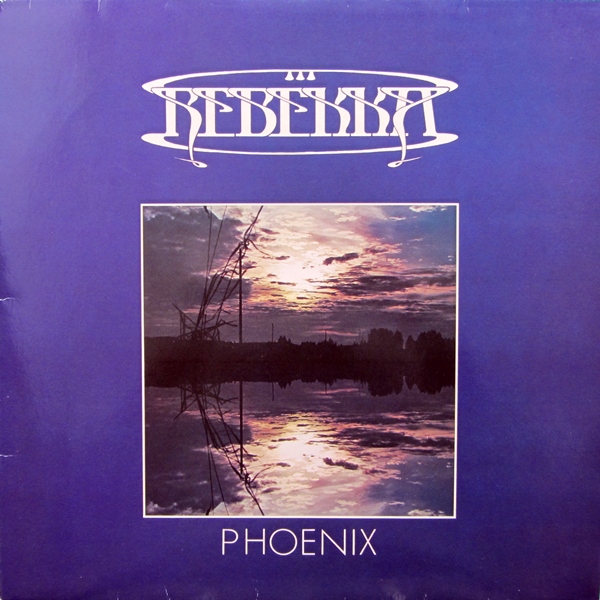
Swan Song (Rebekka, 1982)

Most of the progfans having listened to "Phoenix", Rebekka's first and best album, compare this band to Renaissance, especially because of their melodic taste and Marion Weldert's voice, not too different from Annie Haslam's. Bute there is an original touch in Rebekka we shouldn't underrate: they mixed soft atmospheres with European folk themes, acid touches and electronic devices.

After this one, the band released a second studio work in 1984.

As this opening song will prove, Rebekka's sound appeal is founded on this clever and pleasant blend of flavours, all well arranged in their symphonic frame. Useless to say, the elegant piano played by Peter Laubmeier provides a classical mood to "Swan Song" as its title requires, after all. Just another hidden pearl in the inexhaustible treasury of prog.

Saturday, 3 September 2016

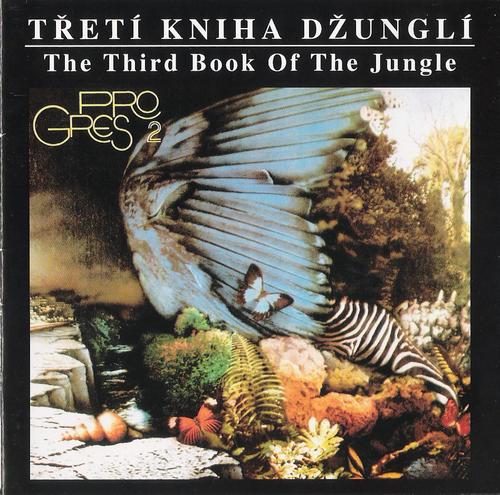
Čím je svět můj (Progres 2, 1982)

This is an excellent prog rock track from the '80s, but please note Progres 2 actually were active also during the '70s in the Czech musical scene (they're from Brno, more exactly). This track features a very good mix of mainstream rock, progressive rock and assorted electronic sounds from the '80s. It's the closing track from the double album "TĹ™etĂ­ kniha dĹľunglĂ­", also released in English as "The Third Book of The Jungle".


"Třetí kniha džunglí" was the fourth album by Progres 2.


As a matter of fact, Progres 2 love Kipling's literary masterpiece, as they had already written an album titled "Barnodaj – MauglĂ­" on the same subject. I like the dynamic and everchanging mood of "ÄŚĂ­m je svÄ›t mĹŻj" (titled in Englis "What My World Really Is") and especially the guitars, ruling most of the instrumental parts. As you could expect from a closing epic, the volume is very high and there are some majestic and noisy walls of sound throughout the song. But, well, this is prog rock, baby!

Tuesday, 16 August 2016

Into The Lens [I Am A Camera] (Yes, 1980)

As you might have read in other posts from my blog, "Drama" is an album I like very much, in spite of its weird Buggles  + Yes line up. More than this, "Into The Lens" actually was a fully-Buggles song (the duo also was working on it when they joined their new band and also released it in 1981 as "I Am A Camera"). To transform a synthpop tune in a progressive rock track was a challenge Yes accepted and won. The song has a an epic flavour, even if its "plastic" and 80s side isn't completely abandoned. Chris Squire provides the backbone for this version and a series of interplays, changes and vocal harmonies are spread throughout the song.

A short-lived line up, still responsible for an excellent album. 

Of course, the melody was a good one in the first place and the tricky arrangement only enhances it and gives to it the special symphonic rock touch that we all know and love. I also like the pleasant contrast between the tight and rythm-based verse and the wide open, full-bodied chorus, something that Downes had in common with the Yes tradition. Still an excellent track this one, and always worth one more listening.

Friday, 29 July 2016

Pinturas y expresiones (Agnus, 1980)

This Argentinian band was born in the early '70s, during the Golden Era of prog, but they released their sole album in 1980, shortly before the end of their musical adventure. The title track of their work is a long, rather surprising and mostly instrumental suite, lining up three movements and featuring jazzy rythms, latin sounds, flute-driven improvisations, dreamy sketches, pastoral melodies and some very good vocal harmonies.


A finely drawn artwork, matching with the band's musical mood.

As many other bands from Argentina, some of their musical solutions aren't too far from the Italian prog bands, but Agnus surely had a more experimantal way, a free inspiration and an eclectic approach I hardly remember in their contemporary scene and maybe remind me of Dutch band Focus. They liked everything new and most of all they were able to build up a rythm-based song like this one, with beautiful and delicate melodic interludes. Too bad they called it a day after "Pinturas y expresiones"...

Sunday, 24 July 2016

Red Barchetta (Rush, 1981)

"Moving Pictures" is an excellent album by Rush, IMHO, full of thick and coherent compositions, among which I introduce today "Red Barchetta", a live favourite of the Canadian powerful trio (and of their fans of course). There are many changes and different themes in this song, full of stingy sounds and irregular rythms. The short electric guitar solo is rightly famous, but I highly recommend Geddy Lee's bass lines throughout the track... well my mention is likely useless, as we all know how great Lee is.

Imagine this song, a convertible car and the wind in your hair...

Maybe the moment I better like is the final reprise of the opening chords, that's when the tempo goes down announcing the end of the song and the volume slowly fades away, leaving a persistent memory in the listener's ears and the will to restart the player. This is another song by Rush featuring an original pattern, a good melody, brilliant sounds and a series of smart variations. That's why they belong here.

Saturday, 23 July 2016

The Portrait of A Boy / портрет мальчика (Horizont / горизонт, 1989)

Back to one of the best Russian acts ever, this suite in three movements fills the A-side of the original LP released in 1989 and bearing the same title. It's an interesting, uncompromising piece of music including contemporary classical elements, avant-garde electronic passages, tricky improvisations and, of course, a symphonic rock structure. The King Crimson inspiration is expecially strong during the first movement, but these musicians have their own musical point of view, based on fluid keyboards, stingy guitars and a highly creative rythm section.

"The Portrait of A Boy" was the second and final album by Horizont.

Even if they follow a rather experimental path, they never neglect the melodic side of their work and this suite features a good deal of well found themes and beautiful riffs during the first movement. The most stunning moments here are provided by Igor Pokrovsky's guitar interplays with Sergey Kornilov's and Andrey Krivilev's keyboards, but some of you (the most adventurous listeners, I daresay) will love the fully experimental second movement and its mysterious, spacey effects or the devilish improvised-like final section. I do think the entire track is still daring and original today as it was in the late'80s.

Thursday, 21 July 2016

Abschied (Novalis, 1983)

You'll find in this blog long, tricky and pastoral songs by German band Novalis, but here I'd like to introduce a short ballad called "Abschied" ("Farewell")  and coming from the album "Sterntaucher" (that's "Star diver", more or less). I do think this is a highly moving song, apparently plain and essential, but actually full of emotions and musical strength.

"Sterntaucher" was the ninth studio album by Novalis.

It is a welcome example of how a skilled composer can write a prog song lasting three minutes or so. As always, the emotional side of music is more important than rules and habits. Of course, you need a good vocalist and the right amount of instrumental skills. Fred Mühlböck Novalis had this and even more than this, ça va de soi...

Tuesday, 5 July 2016

Journey to A Nightmare (Shamall, 1989)

Norbert Krueler, the German musician and DJ behind Shamall label, signed this mini-suite divided into six parts and chose it as the title track of the debut album of his project. As Smamall went on a long way, releasing a dozen of studio albums to date, it seems to me this is the right moment to look back at the very roots of this musical adventure. Since then, Kruel went through different genres and many experiments with Shamall, but this track will prove how strong his ambient, spacey and electronic inspiration was in the first place.

Shamall's long and prolific adventure began in 1989.


"Journey to A Nightmare" combines Floydian elements with krautrock sources and even with electro-pop (we're in the '80s, after all!). A rich choice of effects and some good, simple melodies are the highlights of the suite, but please don't forget Krueler's skills as a player. Plain and even naive as it is, this song has a powerful evocative strength I'll always appreciate. A long, fluid sketch, a quiet and tense journey toward a far, arcane star!

Tuesday, 31 May 2016

Behind The Lines (Genesis, 1980)

When Genesis decided to open their 2007 Turn It on Again tour with this track (or more exactly with its intro) some were disappointed. I didn't think so: "Behind The Lines" was indeed one of the best album openings ever and surely is one of the most energetic and fully progressive tracks from the '80s. The keyboard intro has a very special strength, while the sung section displays an unusual r 'n' b side of the band, something Phil Collins will explore during his solo career. The instrumental passages are based on mighty chords but never include proper solos, so that the entire track celebrates the unity and the force of the band far more than the skills of its members.

 
An edited version of this song was released as the B-side of
"Turn It on Again" 7" single.

That said, we can't underrate Mike Rutherford's excellent work: his bass guitar drives the entire song through broken rythms and syncopated beats, creating a unique sound that will inspire some of the forthcoming neo-prog heroes. A special mention goes to the final link to the following track (that's "Duchess"), where the pyrotechnical energy of "Behind the lines" is gently broken up and keenly softened the way a fire goes down to embers.

Wednesday, 11 May 2016

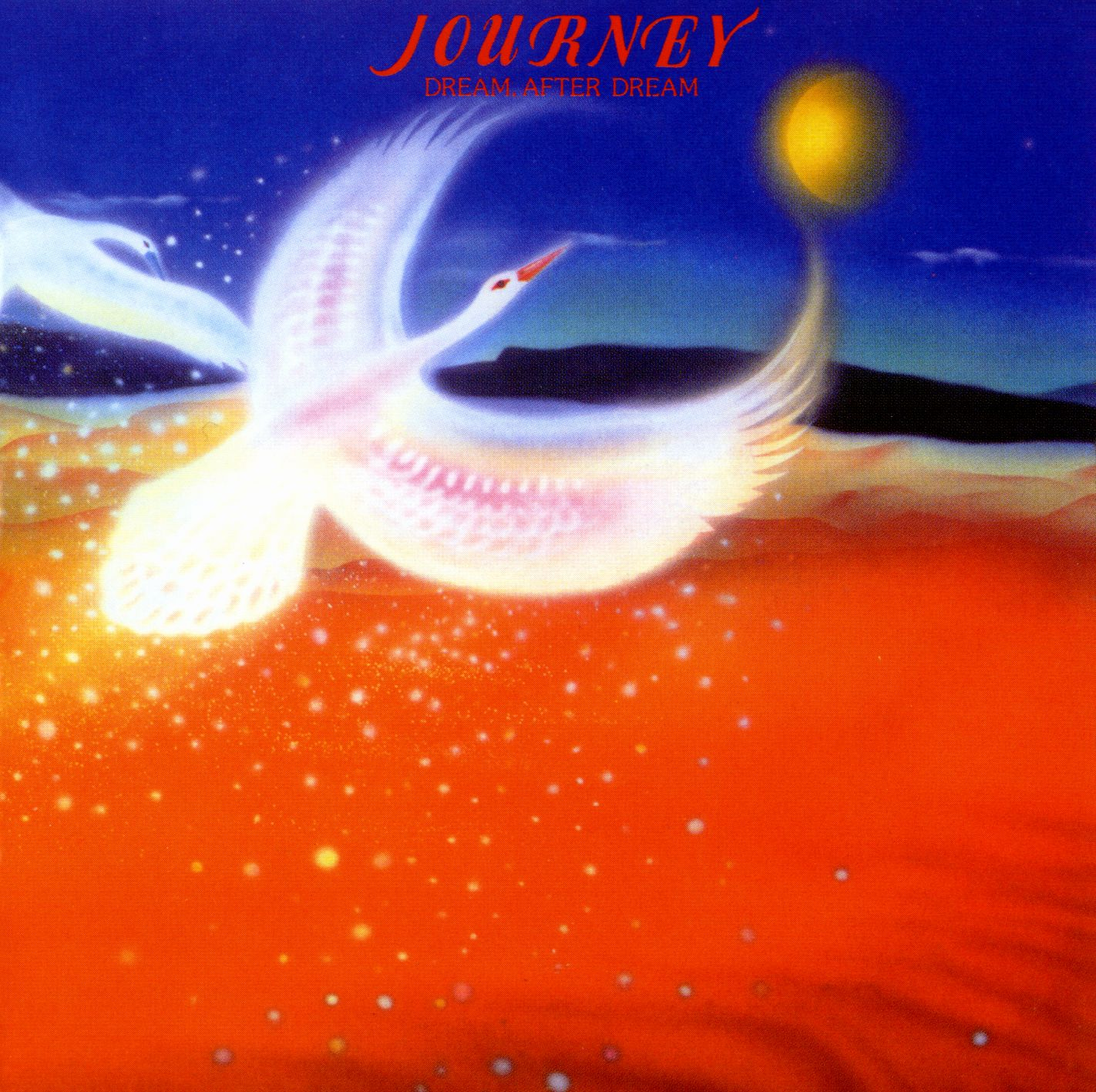
Destiny (Journey, 1980)

After their prog debut album, Journey decided for a more commercial approach, but when in 1980 they were asked to compose the soundtrack of a Japanese film, they felt free to set up more complex and unpredictable songs. The resulting album titled "Dream, After Dream" included this opening track, a rather long one (9 minutes, more or less) featuring a very good and atmospheric sung theme and an abundant choice of instrumental passages, both slow and fast tempo.

...And I also like this cover art. Don't you?

The contrasts are strong: the melancholic intro, then a rocky, heavy section, followed by a dreamy guitar solo (how good this one is...) and finally a brief, weird electronic coda. I really like this song (and also some more from the album), showing what Journey could have done had they chosen a progger way. True, this coming back to their roots will be a short-lived one, but good music is there to stay, and I'll always listen to "Destiny" with the greatest pleasure.

Monday, 2 May 2016

Presto (Rush, 1989)

This is the title track of an album released by Rush in 1989 and playing a special role in the band's musical evolution: the strong presence of synths characterizing their '80s production gets more discreet and the typically rock instruments are once again in the foreground, even if the trio don't come back to their early heavy sound. The resulting mix is however a very interesting one, as this song will prove: fresh rythm guitars, airy and light keyboard backgrounds, strong a neat vocals. 


"Presto" is the thirteenth studio album by Rush.

But what I especially like in "Presto" (mainly the song, but also the entire album) is the ever changing and unpredictable plot: when you're sure the tempo will raise up, it actually goes down and when you're expecting a melody, here comes a rock riff. This is exactly what a prog song should be, so... enjoy "Presto" and let the music vivify your lives!

Friday, 29 April 2016

Lento juego de luces (Espiritu, 1982)

Coming from "Espiritu III", maybe not Espiritu's best effort, this is an uncommon and fascinating track. It is a rather long one (more than 7 minutes) and includes a remarkable sung melody, supported by spacey instrumentals (and a long finale) maily driven by the piano, the bass guitar and assorted keyboards. The sound of the '80s is there, but the well built architecture of "Lento juego de luces" ("Slow light effects" in English) strongly belongs to the previous decade.

"Espiritu III" was, of course, the third studio album by the band.
 
These Argentinian musicians know how to write and arrange good songs and always try to skip trivial solutions, even if their music never goes experimental. That's what you'll fine here: an enjoyable track suspended between prog, pop and electronic easy listening, a song that can dig its way inside the listener's soul. That's all I can expect of a prog song.

Saturday, 23 April 2016

Holy Lamb [Song for Harmonic Convergence] (Yes, 1987)

I couldn't say "Big Generator" is among my favourite albums by Yes, but I was simply fascinated by its closing track, "Holy Lamb". It's one of those songs that remind me how unique Jon Anderson's voice is and how inspiring Yes can be. This track was written by Anderson for Harmonic Convergence, a big New Age convention that took place in Sedona, Arizona, USA. 


"Big Generator" was the twelfth studio album by Yes.

Maybe that's why "Holy Lamb" has such an ethereal and spiritual texture, set up in a moving crescendo and enhanced by lyrics full of hope and inner lights. The melody is beautiful, airy and enthralling, while the band support Anderson's performance in a discreet and effective way. Utopian as it may be, this song is a further and mighty proof of Yes' prominence in rock history.