Showing posts with label 60s. Show all posts

Saturday, 30 October 2021

Concerto For Group And Orchestra (Deep Purple, 1969)

This famous Concerto was the best way to musically end up the Sixties when released back in December 1969. Deep Purple (and especially their late keyboardist, Jon Lord) concurred in their own way to the proto-prog era and this live recording is an essential part of those seething, hectic years. It's a very long suite in the shape of a classical concerto, divided into three movements: 1. Moderato - Allegro, 2. Andante, 3. Vivace - Presto. Entirely composed by Jon Lord, it starts (First Movement) with a sharp fight between the Royal Philarmonic Orchestra and the band, each of them playing the same tunes and trying to overcome their musical "opponent". 

The concert at the Royal Albert Hall took place on September  24th.

The second Movement moves to more peaceful quarters and we can also appreciate Ian Gillian's voice and lyrics laid on a beautiful ballad theme. Here the orchestra and the group begin to merge, but it's only in the final and shortest Movement that all barriers fall down and the two ensembles act as one, building up a lively and even frenzied finale. Well known as it is, this ambitious, challenging and everchanging piece of music, maybe ahead of its time, is surely worth another go on our playlist.

Friday, 30 December 2016

Mad Man's Worries (Mother's Love, 1967)

Lost somewhere in the dark land between proto-prog, blues, beat and psychedelic rock, Mother's Love were a challenging Dutch band whose music had acid edges and sweet acoustic parts. This track comes from their only album "Take One" and shows how eclectic their inspiration could be. The flute meets a liquid bass line and good vocal harmonies, while the song pattern includes some changes and an unusually shuffling sung theme.

How many musical treasures are the Sixties still hiding?

Floris Kolvenbach's vocals are among the highlights of "Mad Man's Worries", full of passionate and crazy-like passages and finally merging into the chaotic finale. One again, this is not exactly what we call prog rock, but it includes all that open minded approach that subsequently would provide the perfect culture medium for the new genre.

Friday, 16 September 2016

What Love [Suite] (The Collectors, 1968)

Those who love proto-prog bands and tracks will be glad to find here one of the earliest suites featuring a distinctive progressive flavour: "What Love" by Canadian band The Collectors. Coming from the North-American psych scene, these Vancouver-based musicians filled the entire B-side of their debut album with a diversified and colourful 19 minutes suite, featuring ethnic instruments, arcane vocal harmonies, classical influences, folk atmospheres, R & B echoes and pastoral themes.

The Collectors only released two albums, both in the late '60s.

The spiritual side of the Seventies surely inspires some of the moods in this song, but its best virtue is, IMHO, the stong and coherent plot in which so many different ideas are cleverly framed. I rarely listened to such a rich and solid architecture in a '60s long track. In this sense, I rarely listened to a proggest song from that era, no matter what the story and the genre label of The Collectors were. Good, good music this is!

Saturday, 11 June 2016

Beware The Ides of March (Colosseum, 1969)

Johann Sebastian Bach is rightly considered as the proggest classical composer by far. In particular, his "Toccata And Fugue in D minor" inspired not only Procol Harum's outstanding debut single, but also this beautiful track taken from the first album by Colosseum, "Those Who Are about to Die Salute You - Morituri Te Salutant". Dave Greensdale & friends started their instrumental with a soft and bluesy version of Bach's standard, which title refers to the album concept: the Latin statement (and, of course, its English translation) is supposedly the hail that Roman soldiers addressed to Caesar before the battle.

This is how Colosseum's career began...

The central section of the Toccata also displays James Litherman's electric guitar, soon involved in a devilish jazzy interplay with Dick Heckstall Smith's sax. Such a musical contamination may seem usual to the modern listener, but proved surprising and inspiring in 1969. For sure, "Beware The Ides of March" still is fresh and enthralling today.

Wednesday, 18 May 2016

Abbey Road Medley (The Beatles, 1969)

Even if this famous medley from the "Abbey Road" album skips all labels and includes many and so different short songs, it surely influenced the rising progressive rock and was influenced by it. First of all, this lushing collection of musical themes proves how abundant and diversified was the band's inspiration and how accomplished were their creative skills. And I shouldn't forget George Martin's contribution, he probably provided the "symphonic" side to the big picture. A picture with no title, O must say, so I shold've called this post You Never Give Me Your Money/Sun King/Mean Mr Mustard/Polythene Pam/She Came In Through the Bathroom Window/Golden Slumbers/Carry That Weight/The End. Too much...

Not simply a cover: an immortal rock icon.

This kaleidoscope of musical sketches and the way The Beatles lined up full band arrangements, vocal harmonies and solo performances will become a standard in all forthcoming prog suites. They also chose with care the running order of the songs, so that some of them act like bridges or links between two strong and catchy tunes. 16 minutes of colourful, everchanging and riveting music. And if you don't want to call it prog, you'll have to find a new word for it!

Tuesday, 10 May 2016

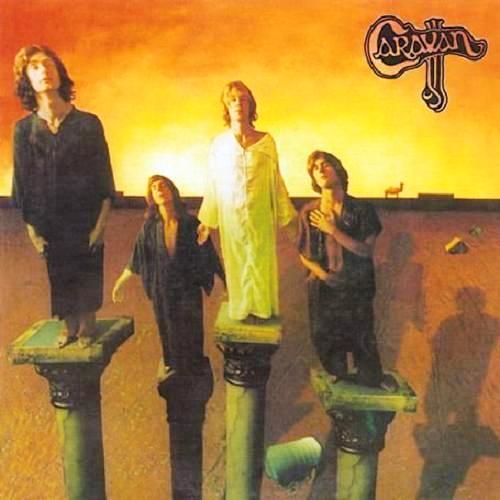
Where but for Caravan Would I? (Caravan, 1968)

Listening today the first album by Caravan can be highly instructive, as we litterally see the Canterbury sound coming to light and gradually acquire its recognizable features. No doubt, the closing song "Where but for Caravan Would I?" is the most accomplished effort hitherward. It's not just the expanded duration time (some 9 minutes... not bad for a 1968 song!), more than this, the song has very interesting instrumental parts driven by the organ and pleasant vocal lines.


The beginning of an extraordinary career... 


Roughly divided into three sections, this song in an early attempt  Jazzy and even dissonant passages forecast some of the most known Caravan's features to come. The tempo and mood variations can be slightly naive, but they always come in the right place. The dawn of prog...

Sunday, 13 March 2016

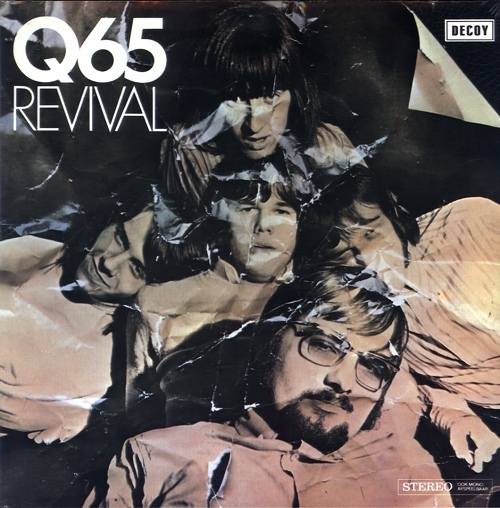
Fairy Tales of Truth (Q65, 1969)

Q65's "Fairy Tales of Truth" is an interesting example of proto-rock song from The Netherlands. The band released some very good albums during their early years and this track comes from "Revival", their second studio work, and it also exists a longer version by another Dutch band called Circus. I actually like the dark bass lines, the acid guitars and the airy melodies rising up here and there in a rather tricky plot.

I don't know if I like this wrinkled effect, but all the same...

This unusual architecture is the proggest element in the song, with the dreamy background Mellotron and the space-like electric guitar ruling the final part of the track. The instrumental sections are packed with atmospheric, suspended moods, and I also appreciate the diversified drumming, colouring these delicious fairy tales.

Sunday, 28 February 2016

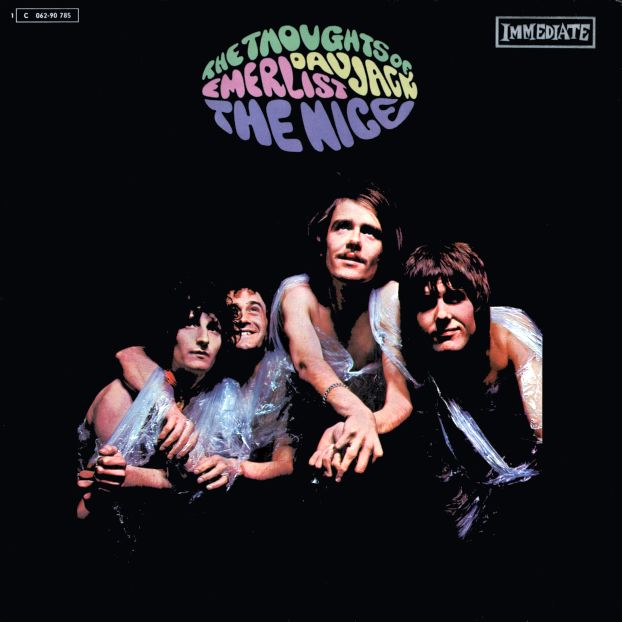
Rondo (The Nice, 1967)

"Rondo" is one of the most celebrated tracks from "The Thoughts of Emerlist Davjack", the debut album by The Nice. Packed with jazz and classical quotes (Dave Brubeck is credited as one of the authors, Bach is still waiting...), "Rondo" will go into many variations during The Nice's and Emerson's career and also is one of the earliest prog pearls ever. The devilish rythm of this instrumental actually fits into lavish rock shows and the foursome performance surely was a riveting one.

The guys were K. Emerson, L. Jackson, D. O' List & B. Davison.
In short... Emerlist Davjack!
 
What should I choose as my favourite highlights? The guitar solo? Emerson's Hammond? The rythmic cavalcade? The coherent and colourful architecture? Or maybe the short church organ tribute to JSB? That's an impossible choice, IMHO: one has to take it or leave it as it is. I take it, and I'm sure I'm not the only one.

Sunday, 10 January 2016

House of Four Doors Pt. 1 + Pt. 2 (Moody Blues, 1968)

This two songs setting up a mini-suite come from "In Search of The Lost Chord" and are a fascinating specimen of what we seldom call proto-progressive rock. The first part of "House of Four Doors" has a tricky and diversified plot, lining up the main theme and some excellent instrumental sections, where Mellotron, flute and other classical instruments rule. After all, this unusual structure that perfectly matches with the quest and exploration concept of the LP.

This unpredictable work was the third studio album by TMB.
 
The vocal harmonies are another winning point, especially in the second part, acting like a choral coda, that another long song, "Legend of A Mind", divides from the first and longest part. This song has the plain melodies of the Sixties but also the highly sophisticated care for each detail defining the style of so many prog bands from the Seventies. Once again, The Moody Blues were simply forward.

Monday, 16 November 2015

A Saucerful of Secrets (Pink Floyd, 1968)

This instrumental is the title track of Pink Floyd's second album and also features on the live LP from "Ummagumma" and on "Pink Floyd at Pompeii" film. That's to say this actually is one of the most important tracks in the band's early live tracklists. It is interesting to note that this song was split in four parts on "Ummagumma", each one bearing its own title (Something Else, Syncopated Pandemonium, Storm Signal, Celestial Voices). 


I think this cover art actually depicts the title song.

Roger Waters explained in an interview that the track was a musical description of a battle and its gruesome aftermath, so that the first part describes the start of the conflict, the second section is the battle itself, then we have the deadly aftermath and the subsequent mourning. For sure, this is a very deep and lysergic track, full of dark atmospheres and unpredictable contrasts, an experimental piece of music that's one of the most tricky, obscure and intriguing songs by Pink Floyd.

Monday, 9 November 2015

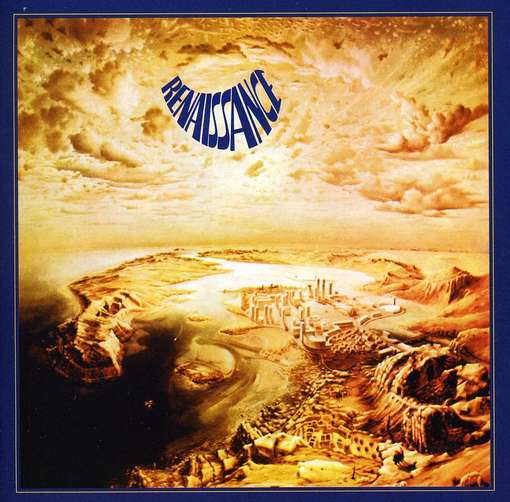
Kings And Queens (Renaissance, 1969)

Even before their most known line-up, even before Annie Haslam's splendid voice, Renaissance were an excellent band, trying to play a music beyond all the barriers of genre and public. "Kings And Queens", from their debut self-named album, is a perfect example of that. The eclectic approach, the piano central role, the catchy but also rocky tunes and the tempo changes draw a musical world of its own.

This is the original UK release cover art of the album.

The intense and arcane slow section is one of the most exciting breaks I've ever listened to, so full of hidden energy... The returning Spanish colour of "Kings And Queens" also contribute to the manifold atmosphere of this song, and the simple and effective vocal harmonies also do. A highly dynamic and colourful musical carpet... then, of course, Annie came in.

Monday, 28 September 2015

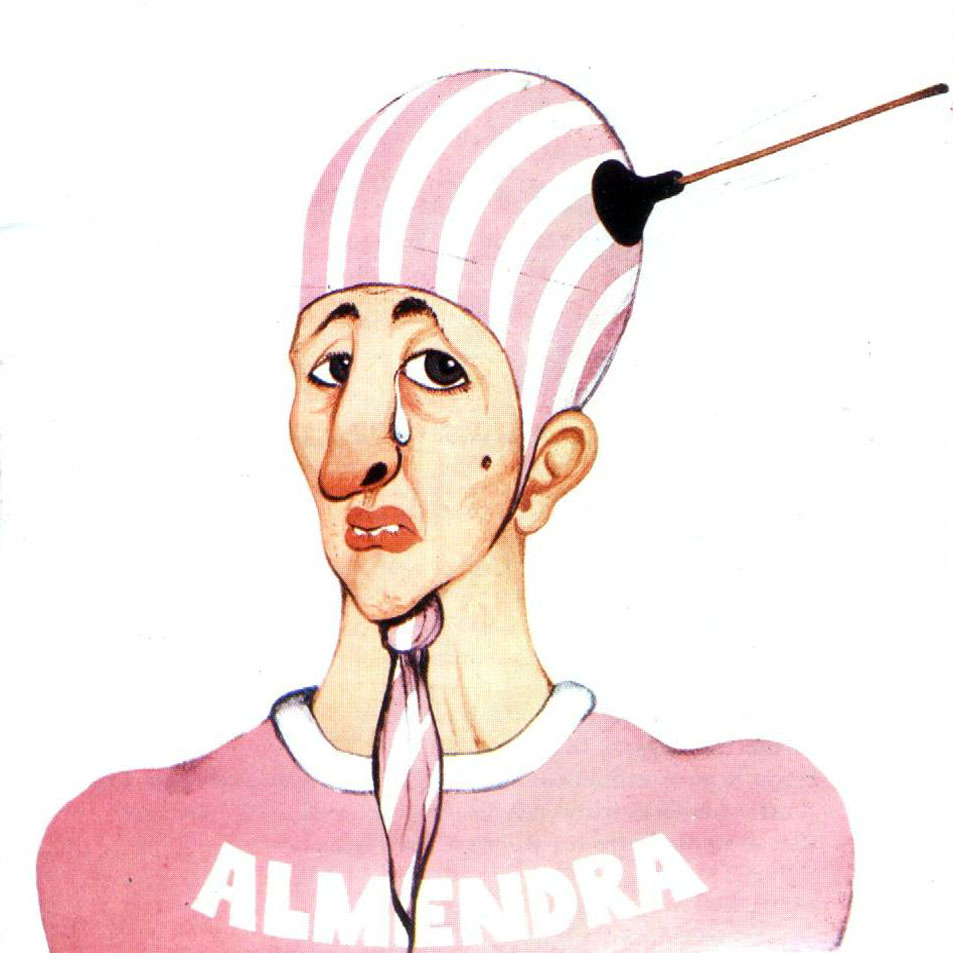
Color humano (Almendra, 1969)

The self-titled debut album by Argentinian band Almendra can be considered as an essential brick in the building of South American rock 'n' roll wall. This track, in particular, is the proggest side of such an interesting brick. Not only it was a 9 minutes one, but it was a brave mix of many different moods. A melodic ballad meets a very acid and bluesy electric guitar solo, then a bass guitar and electric guitar interplay before the ballad comes back.

Almendra were going to explore many sides of rock...

Some abrupt changes in the final section add more and more original elements to the song, definitely an unusual combination of colours and sounds. Another good example of the culture medium on which progressive rock was silently growing up in Argentina and in the entire Latin America. Not only Britain, then... we knew that, but another living proof is welcome.

Tuesday, 1 September 2015

Susan Song (Le Stelle di Mario Schifano, 1967)

Le Stelle di Mario Schifano were a short lived band that definitely deserves a special place in my blog. Actually, some of the songs included in their debut LP anticipated the so called Italian prog and even some British prog elements. That's the case with "Susan Song" and its lunar mood: it seems to me like Le Orme five years before their "Collage" album, and it also reminds me of "Moonchild" by King Crimson... and please remember we're in 1967! Of course, there is a strong naive accent in "Susan Song", and the vocals aren't exacly good, but the soft, delicate and even acid atmosphere of this track strikes me.

The extra-rare original red vinyl pressing of the album.

There is also another prog element in this band: their artistic relashionsip with the painter Mario Schifano, who not only gave them his name but also suggested a series of live visual effects and, of course, provided the cover art of their unique studio album, featuring the stars ("Stelle" in Italian) that finished the band's name. They weren't successful in 1967, but we can listen to their songs with a renewed interest now we're... wise after the event!

Wednesday, 29 July 2015

En aio paeta (Wigwam, 1969)

No doubt Procol Harum played a central role in defining what we call today proto-prog. And they influenced so many bands all around the planet. Finnish Wigwam also started their huge career including two or three Procol-shaped songs in their debut album. This "En aio paeta" ("I'm not going to escape", more or less) is a good example of their proto-prog period and also a good song. The finnish lyrics add an exotic mood to the track and the piano plus organ arrangement is essential and effective.

Wigwam's first studio album was called "Hard n' Horny"...
 
A vague folk inspiration and the well released vocal harmonies underline the pastoral atmosphere and I especially like Matts Huldén's bass line, so warm and neat. Some say those old songs are just archaeological curiosities, but when I listen to this plain and short composition I wonder how many glorified current bands could give me as strong emotions as "En aio paeta" does in its three minutes or so of old, charming poetry.

Thursday, 18 June 2015

Rambling on (Procol Harum, 1969)

Taken from their "Shine on Brightly" album, this is one of the best melodies by Procol Harum, very representative of their style and their composition habits. The sung part isn't too different from their previous and following hits, but it has a wider breath and a richer texture, while the instrumental passage and the final solo add some rock elements into the song.

Procol Harum and the piano: true love...

There are, as usual, several interesting tricks, like the false final fading out or the original empowered piano intro. The piano itself is the leading instrument, but the rythmic guitar and the diversified drums are essential to the song mood. Some say Procol's main virtue is their composition skills. Well, I think this song proves how right they are, and also illustrates the taste for eclectic arrangements and keen musical research the band had. A prog taste, if you allow me to say so.

Thursday, 4 June 2015

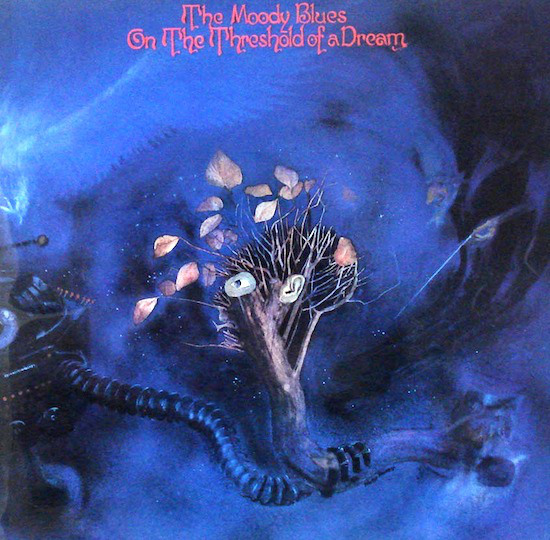
The Voyage (The Moody Blues, 1969)

Here you are a magnificent early prog track coming from "On The Treshold of A Dream", one of the most interesting albums by The Moody Blues. This one actually is a brave track, and that for many reasons. Not only it is a fully instrumental track, something rather unusual in 1969, but it is also based on a wide range of keyboards, including a heartbreaking, and lines up an unpredictable series of musical sketches, more like a soundtrack than like a song.
 

This work was the fourth studio album by The Moody Blues.

Last but not least, "The Voyage" is somewhat part of a little suite, being the central section of a trilogy including the two parts of "Have You Heard". This gem actually is a voyage, a trip through strange galaxies or, more likely, through hidden soul corners. Finally, "The Voyage" is one of the best reasons I found to love The Moody Blues. Is that enough for you? It surely is for me.

Tuesday, 26 May 2015

Being for the Benefit of Mr. Kite! (The Beatles, 1967)

Of course, this isn't a prog song, it simply couldn't be. That said, "Sgt Pepper's Lonely Hearts Club Band" is one of the most quoted and listed pre-prog albums. This song, in particular, features a lot of elements that perfectly fit into the proto-progressive mood. First of all, it's one of the more complex and colourful songs by The Beatles, packed with organ sounds, overdubbings, tape loops and assorted weirdness. This need for intricacy and the crossover nature of the track are the breeding ground on which our favourite genre will rise.

A seminal album. And not only for prog pre-history...

The lyrics confirm such a reading, being inspired by a XIXth Century circus poster and including a good deal of double entendres and allusions, in a vein that many prog bands will exploit some years later. Last but not least, this is a beautiful song, concealing a well written melody into a tricky package. And that doesn't sound new in this blog. So, not prog, you're right, but not so far from that...

Thursday, 16 April 2015

Melancolia Street (Baba Scholae, 1969)

This track is a rare proto-prog gem, IMHO. Baba Scholae were one of the first non-UK prog bands in Europe and their "69" album still surprises me for its unpredictable series of songs, each one bearing its own original approach to art rock. And just think this album was never released in its days...! This opening track starts like a jazz-rock piece, then goes through a hippy ballad à la King Crimson and a good deal of instrumental and choral bridges, all very charming. Jean-Yves Labat de Rossi, the mind behind Baba Scholae label, sets up an entire musical world in this 8 minute song!


This album was recorded in London and mostly features British musicians.
 
The vaguely ethnic flute is one of the band's best features, and they add here distorted vocals and many tempo changes. Really, this song seems to me the prog rising sun, and it also announces some of the special characters of French progressive rock, like the theatrical atmosphere or the revival of folk roots. Please listen to this, I'm sure you won't be disappointed.

Saturday, 7 March 2015

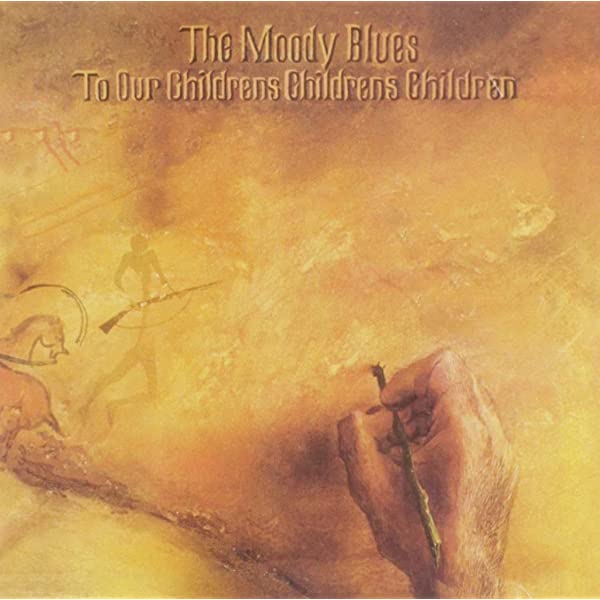
Candle of Life (The Moody Blues, 1969)

One of my favourite songs by The Moody Blues. It comes from the album called "To Our Children's Children's Children", once again one of my favs. This is exactly the kind of gentle, pastoral, deeply emotional prog that only the first gereration of prog rock bands knew how to create. Not only this song swings and flows like pure water, but it also has a mysterious, fascinating, almost dark Mellotron-driven background.

 
This beautiful album was the TMB's fifth studio work.

And what about the piano? Its touches add kind of a dramatic, biting side to the track, especially to the spacey instrumental bridges that grace "Candle of Life". Maybe the lyrics sound a bit too "love, peace and friendship" in our days, but they're perfectly in tune with the melody, so... who cares? Definitely a classic song for the keenest proggers out there.

Sunday, 11 January 2015

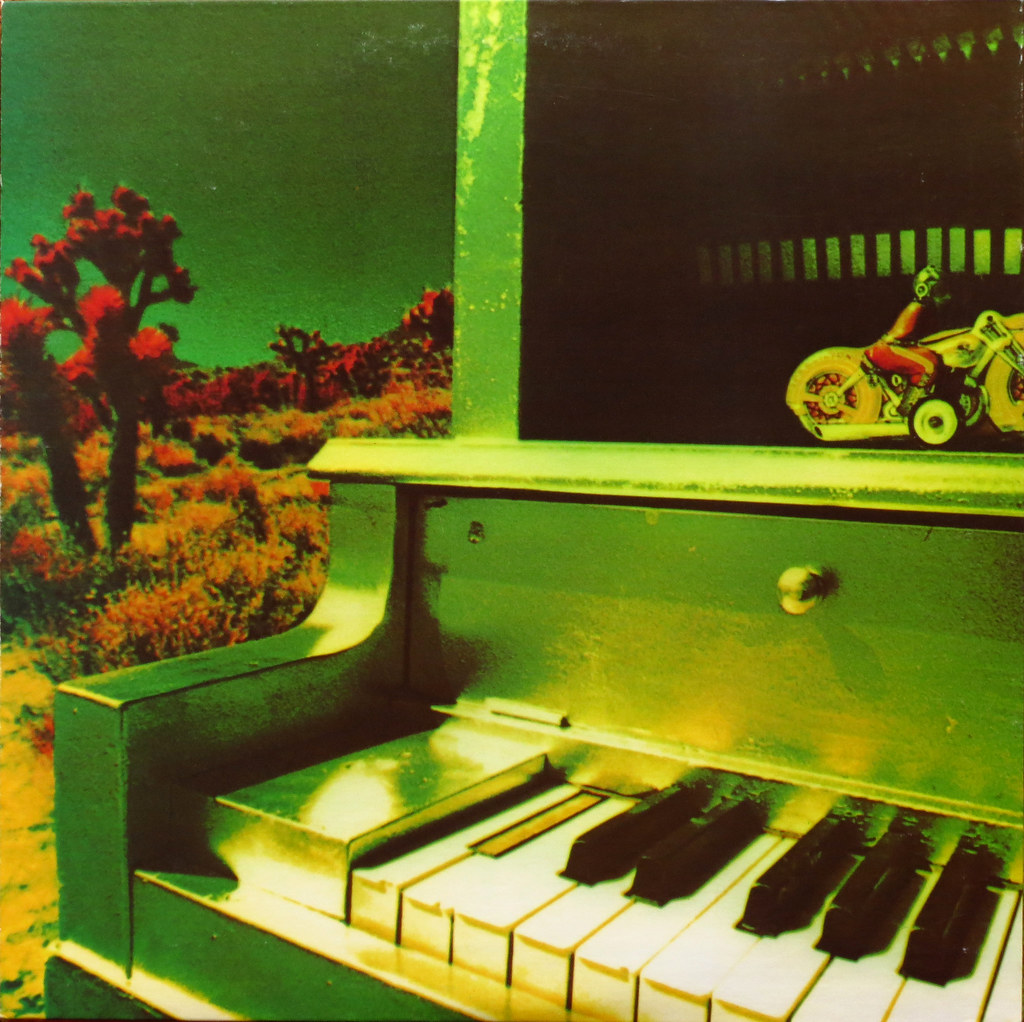
Seventy Five (Touch, 1969)

Here'a a very early example of prog rock (or of something very prog-like) coming from a USA band that only released one self-titled album in 1969. This 11 minutes song has all the main features of that kind of acid prog ravaging the Western World during the late '60s. Kingsmen's ex member Don Gallucci at keyboards and John Bordonaro's drums are the band's musical pillars, but I wouldn't forget the vocal performances of Jeff Hawks, as this song may prove.

Unfortunately, Touch disbanded soon after their debut album.

"Seventy Five" includes many tempo and mood changes, some lysergic, almost liturgical down tempo interludes and also a rather long instrumental section, where keyboards and guitars storm like hell, very well supported by the rythm section. Tracks like this one opened the doors to the forthcoming prog generation and even if Touch didn't become a successful act, they are not forgotten today. Not by me, at least.