Saturday, 20 February 2016

Mikä aamu (Scapa Flow, 1980)

Scapa Flow were a short lived Finnish band that only released one charming album in 1980, titled "Uuteen aikaan" (taht's "A New Era" in English). Packed with sweet melodies and enthralling interplays, this record sounds like Jethro Tull meet Genesis and has a Northern melancholy bonus touch. "Mikä aamu" is a track that fully represents the gentle and folkish mix the band created and performed.
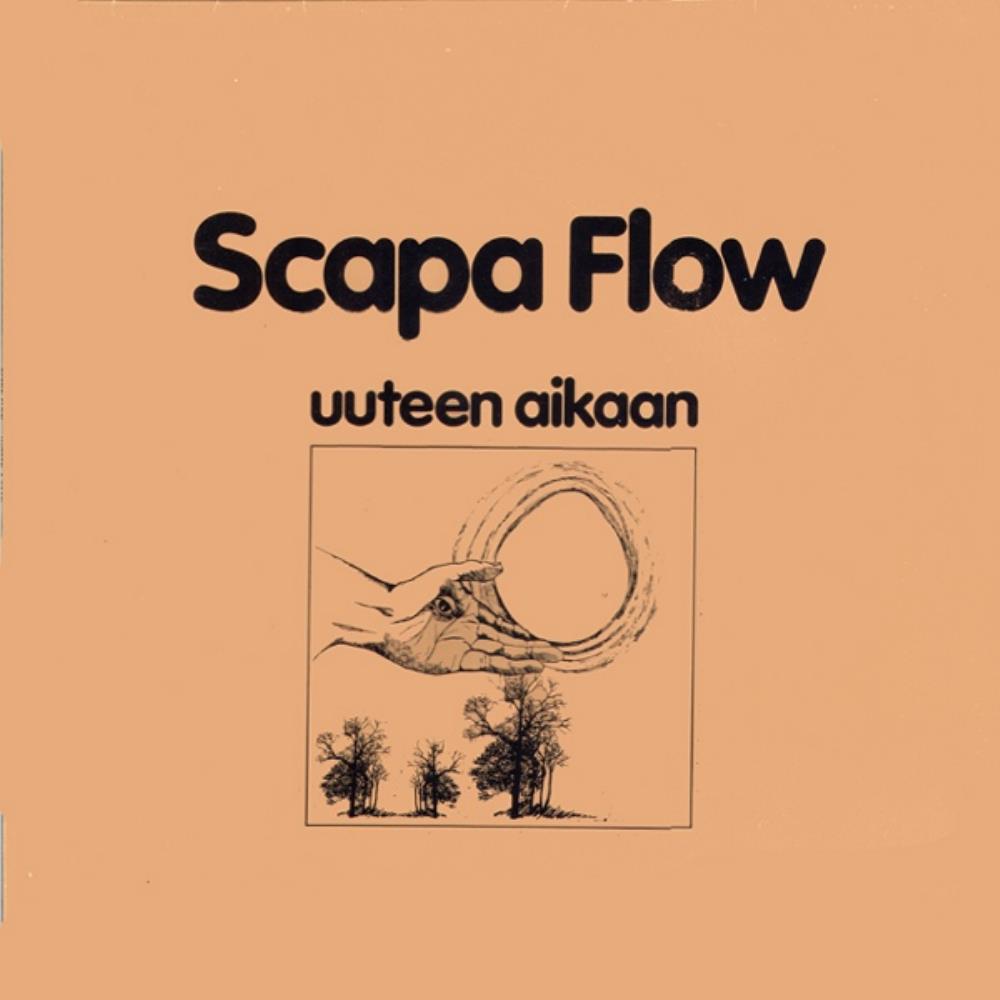
The band members were just three, plus three guest musicians.

The flute plays a central role, but all the instruments add their strong and lively contribution to a magic and never trivial song. And as  the singer employs the band's native language, the final effect is even more original and genuine. Fairy, yes, but not childish at all. Gentle, that's for sure, but never sweetish nor monotone. What else do you need to get a try?

Wednesday, 17 February 2016

Ladies of The Night (Airlord, 1977)

Musical life wasn't easy for prog bands in New Zealand back in the mid-Seventies. That's why Airlord had to move to Australia and never released a second work after their intriguing "Clockwork Revenge" album. "Ladies of The Night" is a fully progressive and highly diversified epic, including all the main elements I like in such a song. First of all, there's a very good songwriting, that's to say beautiful melodies and well found variations.


This band split up in 1978 and never re-united, as far as I know.


Then, a special mention goes to the arrangements, ranging from atmospheric passages to memorable solo guitars. The symphonic structure of the track is cleverly empowered with arena rock sounds, Genesis-like vocals and - last but not least - a big deal of enthusiasm. True, the fantasy concept about weird toys and wicked clockworks fighting their human masters is beyond me, but this is part of the game, after all!

Monday, 15 February 2016

Minstrel in The Gallery (Jethro Tull, 1975)

When it comes to folk / rock / classical cohabitation, Jethro Tull deserve our greatest respect and our highest gratitude. "Minstrel in The Gallery", for example, is a well mixed and even better set up specimen of crossover song, starting like a Tudor era piece of music - including minstrels and dance room galleries - then going heavy and fully rock (Mr. Barre is simply great here) and finally drawing all the baroque'n'roll style and the flute features we love. 

An edited version of this painting, "Twelfth Night Revels in the Great Hall, 
Haddon Hall, Derbyshire", by Joseph Nash (1838) was adopted for the cover art.
 
This dynamic profile and the manifold structure of the track are especially admirable in the album version, lasting more than 8 minutes. Useless to say, the minstrel of the song was going to get the alter ego of Ian Anderson since the first live performance of the track... for sure, my favourite mistrel ever!

Sunday, 14 February 2016

Armina (Som Imaginário, 1973)

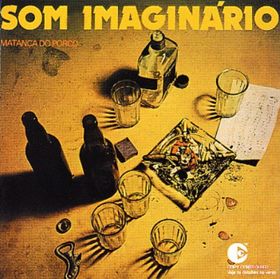
Born as a backing band to Brazilian singer Milton Nascimento, Som Imaginário soon began their own career, including at least one excellent prog rock release, the album bearing the fierce title "Matança do porco" (that's "Pig Slaughter" in English...). This actually stands as a progressive highlight in Bazilian '70s rock scene. The song "Armina" perfectly represents the beautiful fusion of jazz, classic and pop-rock elements the band chose as their musical trademark.

This progressive release was the third album by Som Imaginário.

Full-bodied passages and intimistic piano sections follow one another in a colourful and enthralling plot, where acid guitars, pulsing rythms and essential keyboards act as one. It is a highly original kind of music, with no predominant inspirations, and open to many different solutions and even to conflicting moods. But as Brazilian musicians rarely go too experimental, although unusual and new, this instrumental is still a fully enjoyable piece of music!

Friday, 12 February 2016

Mountains (Socrates, 1976)

A stunning closing track this "Mountains" is! Socrates (previously named Socrates Drank The Comium) released their "Phos" album in 1976, but they actually recorded it in 1975 with Vangelis' helping hand (and even more than a single hand...). I think such a record can still be considered as a masterpiece. This song in particular - starting like a Fleetwood Mac track, then passing through less common phases and emotions, proves how good this band is when it comes to mix and shake different ingredients and manifold inspirations.

"Phos" was the first album credited to the band as "Socrates"

Nonetheless, their final product is as coherent and original as a prog piece of music can be. The mid-folk and mid-classically-driven acoustic guitar is one of the highlights of "Mountains", and it offers the most adventurous solo on a spacey and essential  background, but I couldn't forget the highly creative drumming, creating a weird atmosphere and sounding so good and so Seventies!

Thursday, 11 February 2016

Natt (Thule, 1990)

This is the title track of the second album by Norwegian band Thule. Even if you can pick up here and then some hints from older prog acts, I think it'a a fully original kind of music with dark and energetic moments, many changes - especially mood changes - and aggressive mother tongue vocals. The final effect is that of a sharp and eclectic prog, suspended between symphonic elements and experimental sounds à la Magma.

Even the cover art has an original taste of its own...

The dynamic and intricate interplays support an arcane, even scary  atmosphere, so far from many Scandinavian pale and dreamy prog tracks. Surely an appropriate way to open an album and to capture the listener's attention. That said, the whole CD is worth a keen listening, IMHO. By the way, "Natt" means "Night" in English and I think it's a proper title for such a murky song!

Wednesday, 10 February 2016

La Sagrada Familia (The Alan Parsons Project, 1987)

"La Sagrada Familia" is the opening epic of "Gaudi", the last official album by APP, as the following release "Freudiana" was never credited to the Project. It's a track full of dark grandeur and of special effects. Describing Gaudi's greatest architectural achievement, this song also features excellent melodies and a powerful orchestra directed as usual by Andrew Powell. John Miles' voice perfectly fits into this mood, adding its clear and strong accent to the big picture. 

"Gaudi" was the tenth studio album by The APP.
 
Somehow this song (and most of the album) mark a return to what some call prog pop, after a pair of song-driven albums... and as you can imagine, I welcomed back home both Parsons and Woolfson. Some of the instrumental bridges in "La Sagrada Familia" are simply thrilling and the manifold arrangements provide all the rest... so sad the band was going to stop!