Tuesday, 7 April 2015

Introducing The Past (Gorgo, 2012)

These Gorgo actually are an interesting band. They come from Ukraine and they play a full-bodied prog rock with folk and electronic elements. This "Introducing The Past" is the instrumental intro of the album "The Clash of Ages" and is full of dynamic solutions. As the album deals with different eras and civilisations of our human race, this overture has a rich, almost festive sound, and many instruments and effects contribute to the big picture.
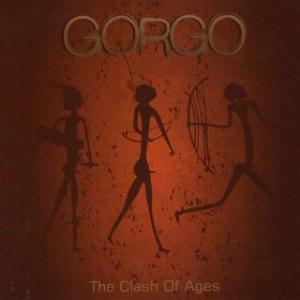

Gorgo released their second album with Muséa label.

Those who like short and effective prog tracks will find here their cup of tea, and also those who like crossover prog will be satisfied enough. In fact, this track belongs to the sunny side of prog, somewhere between Spock's Beard and Minimum Vital, but with a strongest electronic approach. This joyful track is something I listen to when I need an extra dose of energy. Try it, then let me know if it worked...

Monday, 6 April 2015

Converging Universes (Now, 1991)

These Belgian musicians released three albums between late '80s and early '90s, and this track, coming from their second work, "Spheres", probably is their best piece of music. It's a 33 minute suite, divided into seven movements, basically a Yes-inspired track, but with an original choice of effects and many beautiful themes, cleverly lined up. The singer Vincent Fis has a warm, light voice and he also plays guitar very well. As usual with Yes-oriented bands, you'll find a good deal of vocal harmonies and bass lines, as well as keyboard fast progressions and church-like organs... and I'm pleased to say everything's well done.

This is by far my favourite album by Now.
 
I also recommend this song for the mood changes, the spacey interludes and the suggestive interplays. The sound is never too compact and each instrument has its own highlight. Now also add some piano-electric guitar duets I really like and not necessarily included in the Yes canon. So, don't expect weird experiments here, but enjoy prog as it used to be (and maybe should be).

Sunday, 5 April 2015

Shadow of The Hierophant (Steve Hackett, 1975)

One of the best Genesis members' solo tracks, IMHO. Coming from Steve's first album, "Voyage of The Acolyte", this rather long piece of music also features Mike Rutherford, Phil Collins and stunning Sally Oldfield's vocals. Misty and sad, based on the unusual union of an acoustic verse and a fully symphonic chorus, "Shadow of The Hierophant" is full of surprises. The volume changes are the first feature the listener comes across, then he realizes how tricky and ingenious the architecture of this song is.

Hackett's debut album is full of sense of wonder.

Eleven minutes of spectacular, more or less fantasy sketches, suggesting valleys and heroes, pains and triumphs. More Genesis than Genesis themselves, this track goes through its different phases buiding up a winding crescendo. Even being a guitarist's brainchild, "Shadow of The Hierophant" looks like a full band's work - and somehow it actually is. That's why it shines on as one of the first and best steps of Steve Hackett's unpredictable and overwhelming solo career.

Saturday, 4 April 2015

Thoughts (Zaragon, 1984)

The very sound of the '80s is here, my prog friends. Zaragon were an interesting Danish act, playing a lushing kind of neo-prog and playing it well. This long song comes from their first and only album, called "No Return" (that's what they did, more or less...). You'll find a wide, melodic singing, a series of instrumental bridges, sharing the foreground between guitar and keyboard solos. The latter are maybe a little dated today, still they're definitely pleasant.

The CD re-issue of this album includes a specially recorded bonus track.

Please don't forget this song was recorded during the first wave of neo-prog bands, well before Marillion's international success. So Zaragon gathered many different models and inspirations, and if I had to choose the band they look like the most, well, I'd say Eloy, but with a bonus taste for melody. All in all, this is a plain, enjoyable piece of music, something you could listen to on a relaxing, festive morning... remembering all the good old days. Gone but not forgotten.

Friday, 3 April 2015

The Ghost & The Teenager (The Watch, 2001)

Simone Rossetti's band - once called The Nightwatch - is one of the best values in the Italian prog scene and "pour cause", as they say in France... or, as we could all say, for many good reasons. In fact, Simone's Gabriel-esque vocals and his undeniable charisma aren't the only merits of The Watch. This song, coming from the album "Ghost", will prove how good all the musicians are and how well found are all the musical themes. True, there's a very strong Genesis (mainly Gabriel's era) influence - something the band will soften during their career - but the composition has its own strength and the song is very well set up, featuring an effective piano and many tempo changes, so that even if the big picture is a familiar one, the track is a dynamic and unpredictable one. 

"Ghost" was the first album the band released as "The Watch".

The weird and dark lyrics add some more originality to "The Ghost & The Teenager", that's why I can't label this band as a mere Genesis clone: they actually got hold of the Charterhouse boys spirit and re-invented their beloved world from a new and genuine point of view. Just listen to the hunting keyboards, the sparkling rythm section or the uncanny guitar work in this song and I'm sure you'll ask for more. That's what I did, after all.

Thursday, 2 April 2015

Black And White (Sylvan, 2015)

"Home" is a brave album by this well known German band. There's far more introspection and classical inspiration than in their previous releases, but the sound is no doubt modern and even pulsing and scratching. "Black And White" is somehow part of a four song sequence, the very heart of the album, sharing the same inner mood and some recurring musical themes, but also is a stand alone song. An interesting one, IMHO.

"Home" is a concept about rediscovering childhood memories.

It includes a very well written melody, some electronic backgrounds, several acoustic touches and a biting electric guitar. As in the rest of the album, Marco Gluehmann's vocals come from the deepest regions of his soul, sometimes reminding me of Steve Hogarth's sensitiveness, but with Marco's distinctive strength. The highly diversified arrangements and the effective bridges between the different sections grace a song I highly recommend to you all.

Wednesday, 1 April 2015

Supertwister (Camel, 1974)

Camel's "Supertwister" and its album "Mirage" are all time classics, so that I won't waste my time trying to describe them. I'll just say that this short instrumental - including a slow, winding theme and a lively, vaguely folk dance - could be easily chosen as a prog rock promo. Actually, all is there: nostalgic atmospheres, keyboard progressions, tempo changes, beautiful interplays... and even Andrew Latimer's flute!

Andrew Latimer playing his flute in a '70s show.

What I like above all the rest - here and in many other Camel songs - is the lushing, fluid sound of the band, their way to suggest red sunsets and blue waters, and all that in only 3 minutes... that's why, I presume, I usually listen to this song two or three times in a row. A prog compulsion, I daresay.