Saturday, 13 September 2014

Mindstreet (Motherjane, 2008)

The first time I listened to this song I was fascinated by the mix of Western and Eastern sounds in it: rock riffs, and atmospheric, vaguely ethnic passages. Also the sung theme reminded me of ancient gods and Asian markets in a prog rock sauce. Then I learned that these musicians were from India and all was clear to me. Actually there are many different worlds in this song and many different influences, as different as Marillion and Ravi Shankar can be.

"Maktub" was the second Motherjane's studio album.

It's an interesting neo-prog style seen through Indian lenses, kind of a familiar music includic some alien, intriguing elements. The electric guitar solos are very good and the rythm accelerations are also well played. There's a genuine creative mood in this song, a regenerating energy and a variated palette of musical solutions. In short, it's worth a keen listening. More than one, IMHO.

Friday, 12 September 2014

Beginnings (Kenso, 1985)

I love this instrumental track by Kenso very much. It's the closing one from "Kenso III" album, a miracle of balance between prog rock, jazzy influences and melody. These Japanese musicians really are a surprising and uncompromising band, and their "Beginnings" proves what I'm saying by its various and liquid beauty.

Kenso released 10 studio albums from 1980 and 2014.
 
You'll find here a mix of basic sounds framed in a composite pattern, full of grace and colours, far from any useless display of virtuosity and aimed to an emotional impact instead. A palette of feelings draw an Eastern, inner skyline, a moving picture and an everchanging soul. So many instruments cooperate to trace a single path going down to each listener's secret garden. An almost spiritual trip I highly recommend.

Thursday, 11 September 2014

Snowtorch Part One (Phideaux, 2011)

You'll find somewhere else in this blog my opinion about Phideaux Xavier, so I just say here I think he's one of the most interesting musicians in the current progressive rock scene. This suite, opening the same titled CD released in 2011, is a brilliant proof of that. This epic is divided into four movements ("Star of Light", "Retrograde", "Fox on The Rocks" and "Celestine") and framed into a longer concept based on the unusual parallelism between biology and sentiment.

Phideaux released nine studio albums from 1992 to 2011.

Full of vintage keyboards and modern sounds altogether, this long track is a mine of details and musical tricks, as always with Phideaux, and I'm glad to say that the sung sections are specially strong, something that non always occurred in this artist's previous works. In short, "Snowtorch - Part One" is a progressive treat, a bittersweet musical jewel I'm sure you'll enjoy if you didn't before.

Tuesday, 9 September 2014

Retorno (Equilibrio Vital, 2010)

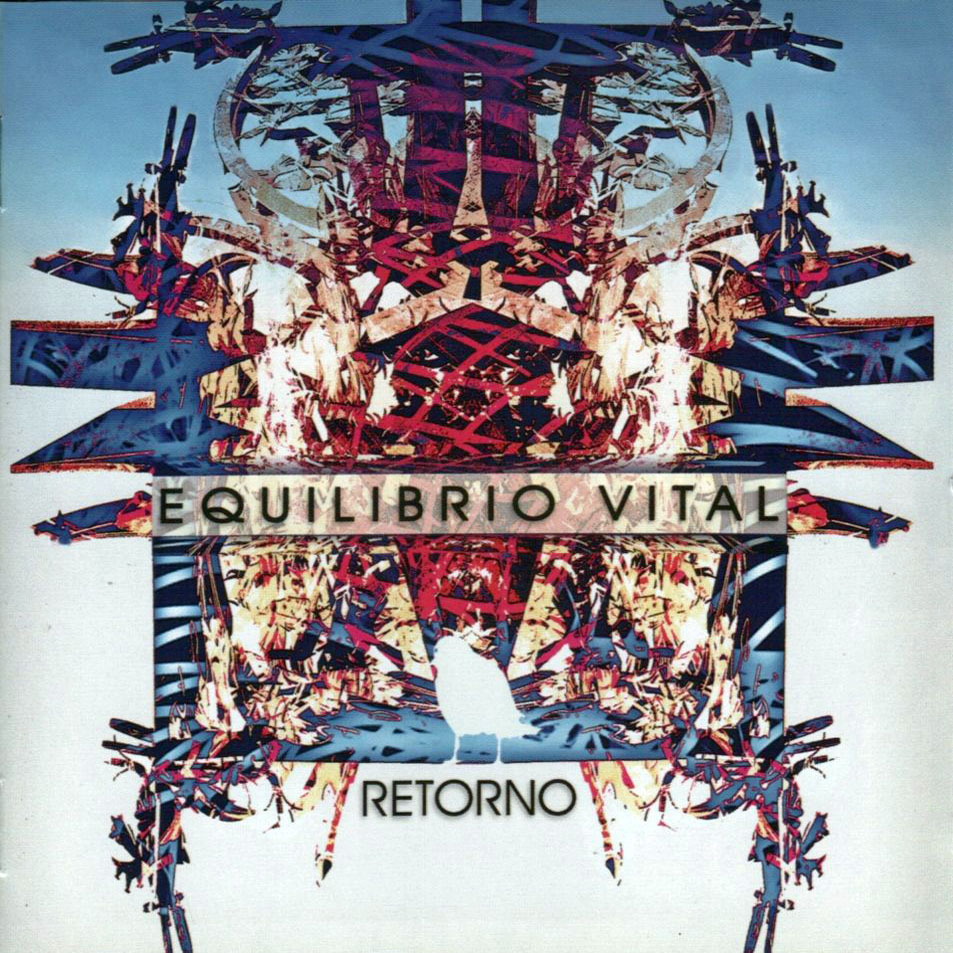
Prog from Venezuela and a good prog too. Equilibrio Vital is a triple life band, with two good albums during the '80s, then a reunion in 2003, and another one in 2010, the year of this track, the title song of their fourth studio album. There's a deep melodic soul in "Retorno" ("Coming back", in English, a title that perfectly matches with the band's history), but the main feature seems to be the atmospheric and surprising changes between acoustic and electric moments, framed in a clever musical pattern.

This cover art was even more intricated than the music inside.


I really like the alternate 12 string guitars and keyboards, but when they also add a flute somewhere in the song, well, I definitely give up and love this track. In that very moment I thank the guys from Muséa label that gave new life to Equilibrio Vital, so that they could go on along their colourful and pleasant path. Try their music, my friends, they're actually worth your attention.

Monday, 8 September 2014

Careful with That Axe, Eugene (Pink Floyd, 1968)

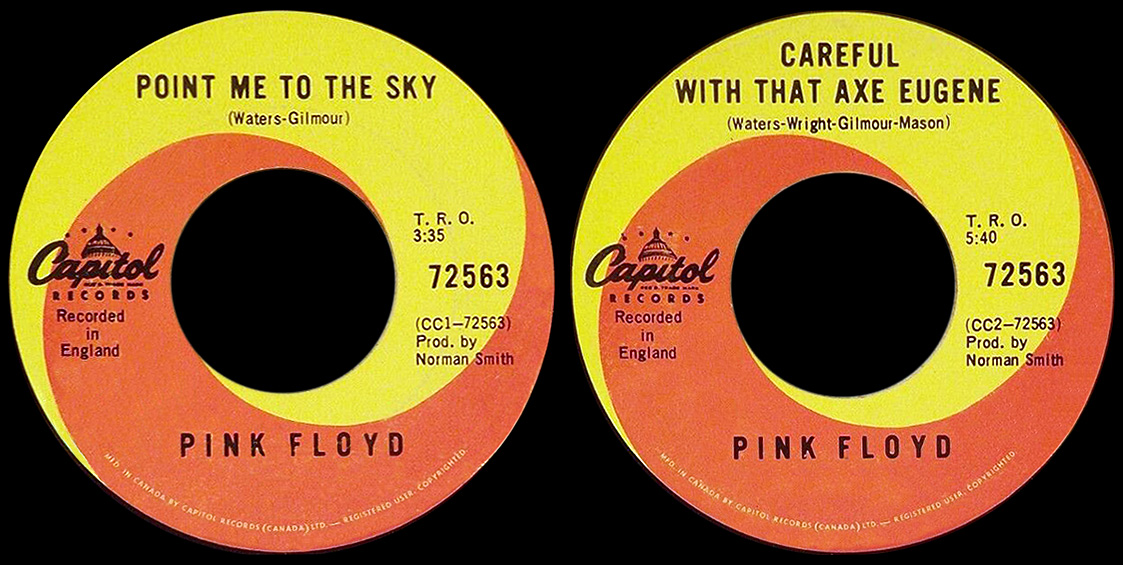
This track surfaces many times in Pink Floyd's discography: released as a B-side in 1968, it is also part of  the live LP of "Ummagumma" (1969) then, in an alternate version re-titled Come In Number 51, Your Time Is Up, it also graces the soundtrack album Zabriskie Point (1970) and, of course, it's one of the strongest moments of the live film Pink Floyd at Pompeii (1972).

This track was firstly released as "Point Me to The Sy" B-side.

It's one of the darkest, most arcane songs by Pink Floyd, including long atmospheric sections and a central "horror" part where the listener comes across the famous spoken part with a final, dreadful scream. The whole track is suspended and stretched like as a violin string, full of spacey echoes and nocturnal effects. I can't really decide if I like this track... let's say I'm hypnotized by it. And this is exactly what they wanted to do, I suppose.

Sunday, 7 September 2014

Le Quatrième (Shylock, 1977)

Taken from the album "Gialorgues", this "Le Quatrième" ("The Fourth", in English), as its title doesn't suggest, is the first track from this French band's debut LP. As the rest of Shylock's production, this is an instrumental track trying to draw inner, visionary and rarefied landscapes. And it surely succeed in such a goal, via a majestic and somewhat disturbing slow tempo, swinging from pastoral prog to psychedelia.

Shylock only released two albums (in 1977 and 1978).

Despite its mostly regular rythm, "Le Quatrième" isn't boring at all, as all the instruments provide an ever changing point of view over the musical trip the band is setting up. Some accelerations and some abrupt stops contribute to this, and so the guitar / keyboard arpeggios and the creative drumming do. This is a great opening for a beautiful album and some of the ideas of this track will undergo under further developments during the following songs. Highly recommended to all my prog friends.

Saturday, 6 September 2014

Pantanal (Sagrado Coraçao da Terra, 1991)

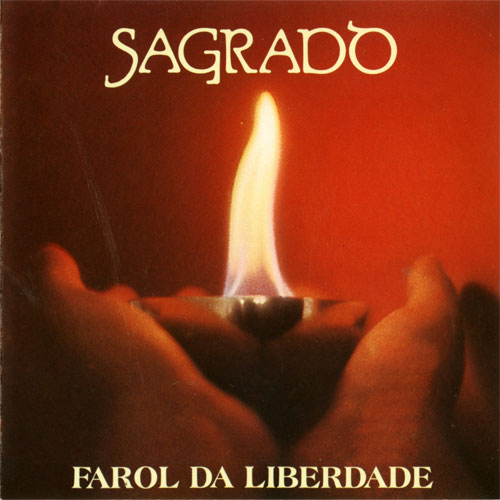
Many Brazilian prog bands love to mix as many different musical approaches as they know about in their style. And this is particularly true for Sagrado Coraçao da Terra, also called Sagrado, set up by ex Saecula Saeculorum member Marcus Viana. Take this "Pantanal", taken from the "Farol da liberdade" album.

This was the third studio album by Sagrado.

This song was very popular in Brazil as it was part of the soundtrack of the soap opera called "Kananga do Japão" and includes folk roots, romantic melodies, sweet instrumental and rather symphonic interludes, a rock passage and then, of course, very Brazilian lyrics describing the Pantanal region with loving accents. A mostly slow, liquid, never boring track featuring a warm atmosphere and all the deep feelings of its author.