Friday, 16 January 2015

Easter (Marillion, 1989)

This is a very popular prog song, and that's saying something. In fact, it isn't a trivial song at all, displaying a somehow original architecture, with a first section reminding me of a folk ballad and the second one a more lively and uneven finale, plus a guitar solo bridge between them. The sung part is sweet and catchy, but also very well arranged, blending a 12 string guitar and the keyboards, while the rythm section gently stresses Hogarth's vocal performance. 

This single peaked at number 34 of UK Charts.
 
Then, Steve Rothery offers a splendid dreaming guitar solo, the aforementioned bridge, actually an emotional peak of the song. The last parti is leaded by H's vocalizations, with the whole band coming in to build a mid-prog mid-pop effect. The lyrics are about Northern Ireland conflict and I think they're one of the best ones in Marillion's discography. In its variety, this really is a great song, IMHO, one of those rare progressive tunes some purists contemptuosly criticize and irresistibly sing along.

Thursday, 15 January 2015

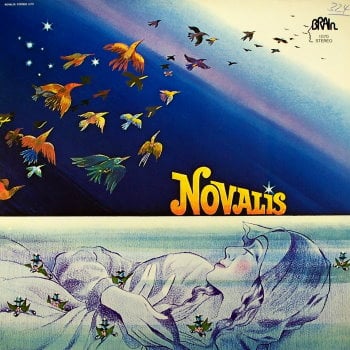
Wer Schmetterlinge lachen Hört (Novalis, 1975)

One of my favourite German prog tracks ever, this "Wer Schmetterlinge lachen Hört" (meaning "Those Who Hear Butterflies Laugh") is a rather long song - some 9 minutes - full of changes and charming atmospheres. The sung theme has a strong melodic flavour, but it's build over a dark, imposing organ background. The central instrumental part is more sparkling and displays changing tempos. Here the guitar and the rythm section rule, with a hint of electronic effects too.

This self titled album was the second Novalis' studio album.

During this interlude, Detlef Job's electric guitar goes solo adding a deep, sensitive touch to the big picture. The fascinating main theme comes back in the closing section on a military march drumming I also like very much. As many other Novalis' tracks, this epic has a recognizable Wagnerian and Romantic mood, and the listener goes through a dreamlike, colourful soundscape, actually living a strong emotional experience. That's prog, my friends!

Tuesday, 13 January 2015

The Gamer (The Windmill, 2013)

With two albums called "To Be Continued..." and "The Continuation", these Norwegian musicians seem to have a coherent project in their minds. Well, they actually do a very good mix of classic and contemporary prog and I like the way they arrange catchy tunes and more complex arrangements. When it comes to a long epic like "The Gamer", they also showcase solid organizing skills. The recurring themes, the instrumental variations, the way each instrument comes in and plays its role in due time, the keen succession of melodic themes and rock riffs, swing and neo-prog... all is in tune here.

This second Windmill's album features five tracks.,
all very good ones, IMHO.

The Windmill also know the importance of writing good lyrics and in this song deal with such a present-day theme as game addiction. The epic is divided into three parts and vocals are shared between Erik Borgen (Parts I-II) and Jean Robert (part III). That's an effective solution,IMHO, and after all these boys don't like rigid divisions when it comes to instruments and you'll often listen two guitars or two keyboards playing.  Another good reason to meet The Windmill.

Monday, 12 January 2015

Remember The Future Part One (Nektar, 1973)

Nektar really is an unsettling band, so difficult to label. Even its nationality is disputable, as the band's members are mostly British, but the Group itself is based in Germany since its foundation. Their music is also a manifold one, including classic prog elements and many mainstream rock, pop and psychedelic hints. This track fills the first side of the original "Remember The Future" LP and it's an intriguing specimen of the early '70s music since the opening wa-wa guitar until the arcane, spacey closing section.

This war Nektar's fourth studio album.

You'll smell here the hippy atmosphere, a scent of acid trip, but you'll also enjoy very good melodies and many pleasant mood changes. This suite is divided into four parts (Images of The Past, Wheel of Time, Remember The Future and Confusion) and - as the title suggests - continues with Part Two on the LP's second side. If you'd like to spend 16 minutes or so in a visionary and colourful musical trip, this track is for you.

Sunday, 11 January 2015

Seventy Five (Touch, 1969)

Here'a a very early example of prog rock (or of something very prog-like) coming from a USA band that only released one self-titled album in 1969. This 11 minutes song has all the main features of that kind of acid prog ravaging the Western World during the late '60s. Kingsmen's ex member Don Gallucci at keyboards and John Bordonaro's drums are the band's musical pillars, but I wouldn't forget the vocal performances of Jeff Hawks, as this song may prove.

Unfortunately, Touch disbanded soon after their debut album.

"Seventy Five" includes many tempo and mood changes, some lysergic, almost liturgical down tempo interludes and also a rather long instrumental section, where keyboards and guitars storm like hell, very well supported by the rythm section. Tracks like this one opened the doors to the forthcoming prog generation and even if Touch didn't become a successful act, they are not forgotten today. Not by me, at least.

Saturday, 10 January 2015

The Road of Bones (IQ, 2014)

I really liked IQ's album "The Road of Bones" since I first listened to it. And I think its title track is one of the best songs in it. It's a perfect case of prog rock crescendo, coming out of a dark, scary mood and rising up to a full, energetic wall of sound. Peter Nicholls' voice leads this course, bringing out one of the best vocal performances in the band's history, from the softer tone to the most powerful singing. The rythm section also offers a remarkable contribution, including broken tempos matching with some intriguing Eastern xylophone effects.

"The Road of Bones" is IQ's eleventh studio album.

The lyrics are also gloomy, as they provide an inside look on a serial killer's life and feelings. That's why the crescendo here isn't a mere question of style, as it stresses the psycopath's perverse story:

The shadow crossed my face
All the features came to waste
Shallow graves I mark with stones
As I walk for the road of bones.

And when the wall of sound, the distorted guitars, the bombastic keys and all the rest come in, the listener actually sees the man going along his morbid path. Another magic and progressive spell.

Thursday, 8 January 2015

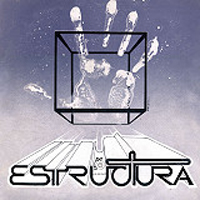
Arco Iris (Estructura, 1980)

During the '80s, it was easier to find very good prog albums in South American Countries than in Europe. This is exactly the case with Estructura's self titled LP, including this "Arco Iris". Even if David Mamán's keyboards are definitely influenced by Rick Wakeman, this song is more than bombastic (and well played) keys. Firstly, I appreciate Antonio Rassi's guitars, giving an essential contribution to the big picture, then I won't forget María Eugenia Ciliberto's vocal performance, bright and strong as a prog rock voice should be.

This was the band's second (and last) studio cd.

The whole band offer a convincing proof of their prog (and rock) nature. The classic and delicate intro soon becomes an up tempo wall of sound, then a melodic sung theme and so many other things afterwards. No time for getting bored, my prog friends... just pure, enjoyable, plain prog. And if you find this too easy for your tastes, well, forgive me, but I like some catchy and sunny tunes now and then.