Friday, 31 October 2014

Nine Feet Underground (Caravan, 1971)

If I had to single out one track as the most representative one of the so called Canterbury Sound, I'd likely choose this one, taken from the masterpiece album "In The Land of Grey And Pink". Mind you, this isn't just because it is a long eight-part suitre (and anyone knows I like suites), no, it's the lush, eclectic, warming and brilliant architecture of this song that always captures my attention. Take those gentle and slightly jazz keyboards, for example. They seem to come from a distance, maybe from nine feet underground, and still they are so neat and strong that each time I listen to them, I'd ask for more.
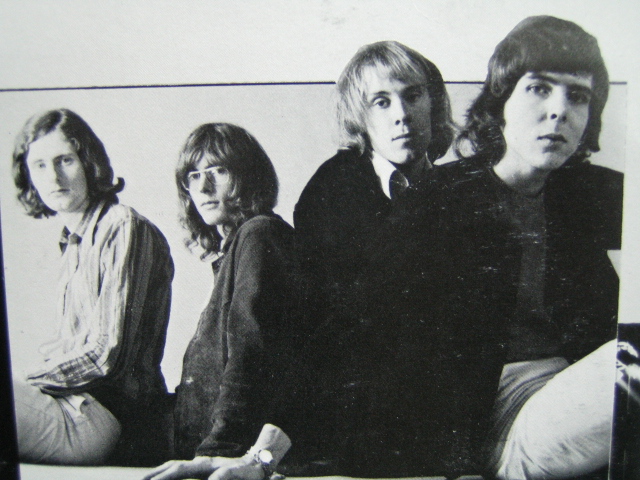
Caravan during the early '70s. Canterbury rules.

The rare sung sections are somewhat linked to the beat-blues era and the choral harmonies always come in to add a '70s smell to these vocal flowers. And the guitars are rich ,nd flushing. Now a special mention for the tempo changes. These ones are particularly dynamic during the central sections, including some supernatural effects - the scary "Make it 76" - and an assortment of keyboard and guitar solos. I don't need to recommend such a famous track, of course, perhaps I can suggest one more listening... just in case.

Thursday, 30 October 2014

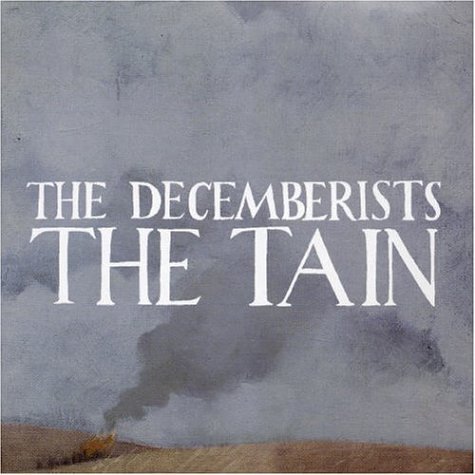
The Tain (The Decemberists, 2004)

One of the most hard to label bands, for this very reason the Decemberists are the proggest band one can imagine. Not only their music comes from unexpected fusions and explorations, but they also like to revive past glorious sounds by updating them with bravery and good taste. "The Tain", for example, is a suite divided into five parts featuring King Crimson's echoes and Gentle Giant's hints, along with a folk soul and a pop freshness.

"The Tain" was recorded in 2003 and released as an EP in 2004.

The melodies are plain and well found, while the instrumental bridges are full of original ideas, clever reprises and unpredictable changes. As always with them, we also find some brilliant lyrics (Colin Meloy is also an excellent novelist) based on the Irish legendary tale Táin Bó Cúailnge, and a lot of literary and cultural references. The way The Decemberists have to joyfully play with such a rich material transforms any moment of their music in a childhood's dream and - that's unavoidable - in a terribly serious matter.

Tuesday, 28 October 2014

The Homecoming (Freedom's Children, 1970)

A strange, arcane, acid, trip into another dimension, this is "The Homecoming", taken from Astra, the most popular album by Freedom's Children. Based on Hammond and guitars,  this is the perfect son of the early heavy prog era. Unfortunately, the band is one of the most underrated ones, maybe because of their apartheid South-African era. But this track easily proves how innovative they were and how much they exploited the contemporary acid rock scene, with that smell of proto-prog I always like.

"Astra" was the second studio album by Freedom's Children. 

One could hardly decide the genre of their music, ranging from an experimental heavy prog to a dark space, featuring many tempo changes and a fluid, rich musical texture. The main riff is enthralling and the distorted vocals sound very effective. I also like the down tempo interlude à la VDGG and the creative use of the acoustic guitar lost in the background. An uncommon piece of music, IMHO, and a great discovery for those liking the hidden prog pearls.

Sunday, 26 October 2014

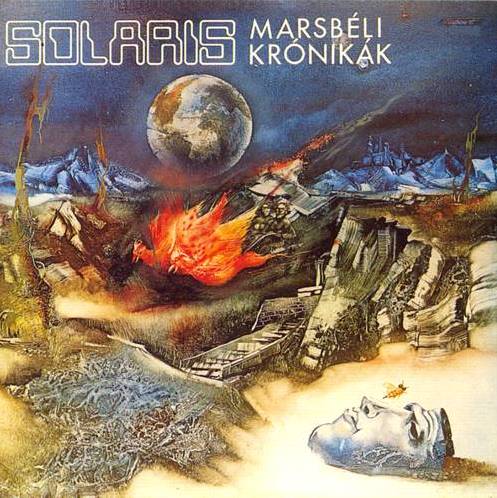
Marsbéli krónikák (Solaris, 1984)

So full of Science Fiction inspirations (Bradbury's masterpiece Martian Chronicles for the track title and Lem's work for the band's name), this song is obviously an excellent specimen of electronic progressive rock. It's a long suite divided into three tracks and six movements, a collection of original arrangements and majestic atmospheres. Keyboards, keyboards everywhere, as you can imagine. And very good ones, to say it all.

This album included the title epic and six more tracks.

But the space mood doesn't mean this work is cold: on the contrary, emotions are fundamental here and you can almost touch them, especially when Attila Kollar's flute and the guitars add their sound to the keys. The resulting mix is something new and addictive to me. The choral parts are also worth a special mention, but the main treat is, IMHO, the way Solaris merge plain melodies and futuristic sounds. This is probably the most known Hungarian prog rock track ever, and I think it deserves such a widespread interest.

Friday, 24 October 2014

The Great Escape (Marillion, 1994)

I know it's difficult to single out a "Brave" song, as this album is a strong, cohesive compisition, but "The Great Escape" has a distinctive enough structure to stand alone. In addition to this, it also has all the main characters of the album. It mixes a good melody and a creative arrangement with the usual Marillion features, such as Steve Rothery's dreaming guitar, Mark Kelly's ethereal keyboard background, Steve Hogarth's sensitive vocals and so on, but I especially appreciate here the excellent main melody and all its variations. The track includes two more sections called "The Last of You" and "Falling from The Moon", also very good and featuring sad, beautiful lyrics co-credited to Hogarth and Helmer.

This song was also released as a single in 1994.

This track is also well known by Marillion fans for its changeable endings, depending on its different editions and supports. The original CD version leads to a happier album finale, "Made Again", intended to raise up the listener's state of mind, while the 2-LP edition also offers an alternate (and sadder) 20 minute water noises to close the work. Finally, a so called spiral remake is also available as a bonus track in the remastered CD released in 1998. Be as it may, this is a great song IMHO, digging into the deepest recesses of human soul.

Thursday, 23 October 2014

Methuselah's Children (Moon Safari, 2008)

Taken from the "Blomljud" double album, this "Methuselah's Children" isn't the longest epic of the lot, despite its more than 15 minutes of length, but it is - IMHO - one of the best and most distinctive tracks in this collection. If you read other posts about Moon Safari's songs in my blog, you probably know I love this Swedish band and their original style, midway between classic prog roots and folk inspiration,with a choral nuance.

"Blomljud" was Moon Safari's second studio work.

The first thing you'll notice in this "Methuselah's Children" will certainly be the flushing, beautiful vocal harmonies, a well known trademark of the band, but this isn't all. Next will come the keyboard progressions, both smooth and fast, the acoustic/electric interplays and - last but not least - the enthralling melodies gracing the whole song. Useful to say, some of the musical themes in this CD return in different songs, a very progressive way to set up a coherent work. I think Moon Safari's world is a sunny day, a blue Northern sky, a 21st Century prog dream.

Tuesday, 21 October 2014

Toward The Sea (Höstsonaten, 2002)

Höstsonaten are one of the several projects by Italian prog hero Fabio Zuffanti, the man behind Finisterre and La Maschera di Cera, just to name his most known bands. But Höstsonaten offer a very special kind of music, something full of classical inspiration, ambient sounds and strong melodies. This track is part of a 4 CD concept related to the four seasons (not an infrequent theme, I must admit) and more exactly it closes the album "Springsong", the first one of the SeasonCycle Suite to be released, even if it was conceived and credited as the final chapter of the series. 

The SeasonCycle includes: "Summereve", "Autumnsymphony",
"Winterthrough" and, of course, this "Springsong".
 
It's a diversified, challenging composition, including different themes and suggesting a bright, refreshing musical opennes, crossing over genres and formats. It's a visual kind of music, where sounds and landscapes are just as one. A special mention deserves the flushing paintings by Davide Guidoni gracing the CD and, of course, this is what I call music for the hearts and the minds.