Friday, 11 November 2016

L'evoluzione (Banco del Mutuo Soccorso, 1972)

This is no doubt one of the most important tracks from the Italian prog Golden Era and opens the second Banco's album, a concept based on Darwin's theories. As the title says it, this long song is about Evolution and it actually evolves from a dense and liquid intro to a bombastic, almost explosive central part introducing a melodic, highly structurate finale. Its 14 minutes or so of duration are full of warm touches, clever interplays, accelerations, slowdowns and assorted surprises.


"Darwin!" in a recent deluxe re-mastered edition.


The concept recurs in the lyrics spanning over the long pre-human era (thank you Mr. Di Giacomo!) and also in in the music, coming in a somewhat archaic flavour, based on the bass guitar irregular beat and on well found keyboard effects. Las but not least, this is one of those rare songs successfully combining instrumental skills and emotional power.

Saturday, 5 November 2016

Catherine of Aragon (Rick Wakeman, 1973)

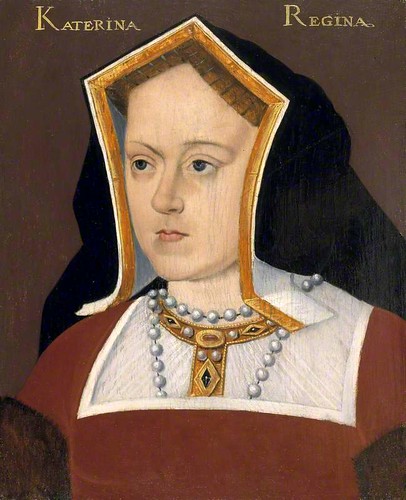
This is the opening track of "The Six Wives of Henry VIII" and one of the musical pillars of Wakeman's solo career. The resolute intro, the elaborated scales and the surprising melodic parts are some of the highlights of this instrumental, and not the only ones. The artistic depiction of Catherine's joyous and also spiritual temper is perfect: a living portrait come out from each note and each tempo change.


Catherine of Aragon was Henry's firts wife.


The impressive amount of keyboards employed by Rick is never too pompous and the other instruments (guitar, drums and a beautiful choir) add a slight and welcome "band-like" flavour. Lively and everchanging, "Catherine of Aragon" is one of the most beautiful keyboard-driven tracks ever (IMHO, of course) and rightly appears on most of Wakeman's live tracklists. Luckily.

Wednesday, 2 November 2016

Garden of Frenzied Cortinas (Ariel, 1973)

Ariel were active between 1973 and 1977 and icluded Mike Rudd and Bill Putt, both of Spectrum fame (please read somehting about them elsewhere in this blog), and two of the best known musicians of the Australian scene, even if Rudd was actually born in New Zealand.  Among this track's best features you'll find an excellent bass line by Putt, two beautiful guitar solos by Tim Gaze - former a member of Tamam Shud - and a stunning vocal performance by Rudd.

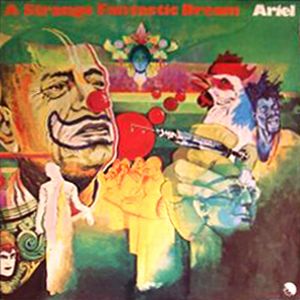
"A Strange Fantastic Dream" was Ariel's debut album.

The track also includes a well found main theme and a series of tempo changes I appreciate very much, along with that peculiar mix of traditional melody and rock arrangements marking the entire Australian prog during the Seventies. "Garden of Frenzied Cortinas" is the longest track from the album "A Strange Fantastic Dream" and also the best one, IMHO, showing the great potential of Ariel, a potential barely exploited during their career.

Saturday, 29 October 2016

Abstract Malady (Ajalon, 2009)

Ajalon are a very good American trio, playing glorious powerful prog with Christian lyrics and a Seventies mood. Listening to this "Abstract Malady", taken from the album "This Good Place", you'll be no surprised to know that Ajalon started their career signing with Rick Wakeman's label and set up collaborations with Neal Morse. Their flushing kind of music, full of changes and colourful interplays reminds me of Rick's and Neal's passionate compositions and surely include all the main features of the old good progmasters.

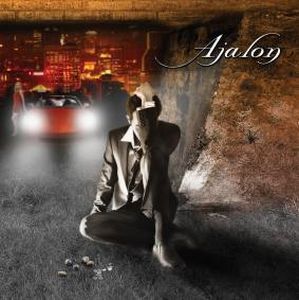
"The Good Place" was the third studio album by Ajalon.

A special mention goes to keyboardist and guitarist Randy George, equally at his ease when it comes to devilish solos or to relaxed, dreamy parts. This instrumental should describe  an inner malaise, a spiritual mal de vivre and I think it actually does so, lining up harsh and melancholic sections in a well built pattern. A beautiful specimen of prog, IMHO.

Tuesday, 25 October 2016

1000... and more.


Yes, yesterday I posted the 1000th song on this little blog! I wanted to stop here, and after all 1000 is the perfect number to take a good rest. But there's too much prog out there and too much good songs are worth a presentation in my humble place. So I decided to go on and I hope you'll excuse my stubbornness. Of course, I'll slow down a little and I'll post on a less regular basis. You see, I'm old now, and I need some ease. All in all, thank you so much for being there, for listening to good ol' prog and for visiting this little place from time to time!

Monday, 24 October 2016

Indonesia (Abbhama, 1978)

As this track clearly states, Abbhama come from Indonesia, and they were active during the late Seventies. They released just one album (originally on cassette format) called "Alam Raya" (meaning "The Universe"), then split up. Unfortunately, I daresay, because their sole work is one of the best Asian symphonic rock album, IMHO, with a slight folk taste and an excellent piano classically played by the band's leader and composer Iwan Madjid.


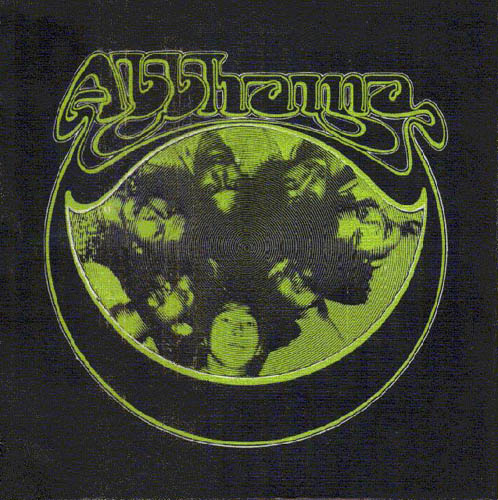
The CD release kept the original cassette artwork. Good idea.


This atmospheric song was conceived as an ode to the band's homeland, but it's no way popmpous, as it flows slowly on a dreamy and nostalgic tone. The winds (flute and oboe) and the native tongue lyrics add a recognizable and sweet accent to "Indonesia", while the background arrangements could be campared to Camel. A beautiful song from a well balanced album, finally released on CD in 2014 (better late than never!).

Saturday, 22 October 2016

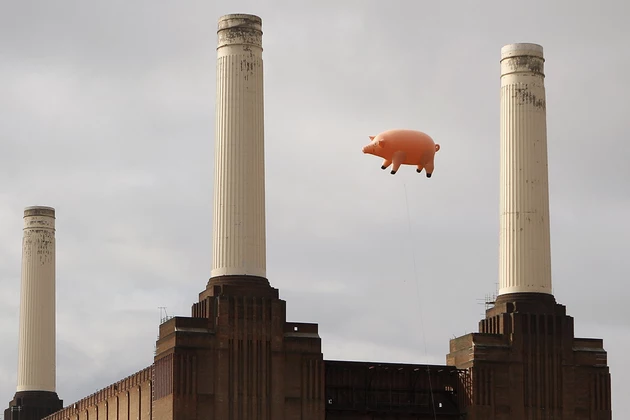
Pigs [Three Different Ones] (Pink Floyd, 1977)

"Pigs" still is a great favourite of Pink Floyd's fans all over the world. And I reckon they're right: not only this song has a special and immediately recognizable rythm, but the lyrics are among the most interesting ones by Roger Waters. As the sub-title says, the three stanzas of Pigs present three different powerful individuals, whose identities remain a matter of speculation, even if the third one is clearly identified as the English hyper-conservative  activist Mary Whitehouse.


The pig flying over Battersea power station...


Back to the  musical side, the main theme is catchty and well found, while the beautiful arrangements exploit some less usual devices in PF's typical instrumentation, such as a fretless bass guitar and a talk box. Two bass solos and a guitar solo also grace this track, and it's worth nothing that its live performances were usually longer than the album version, reaching some 18-20 minutes of duration. A true classic, always welcome in my playlist.