Friday, 27 February 2015

Thoma (Fromage, 1988)

Don't be fooled by this band's name: they don't come from the French prog scene, they're one of the first Japanese acts and most of Fromage's member were going to play a prominent role in their Country as founders of more recent and equally important bands. This charming track comes from the group's second (and last) studio album, called "Ophelia"and sung in Japanese Language, a choice I usually appreciate.
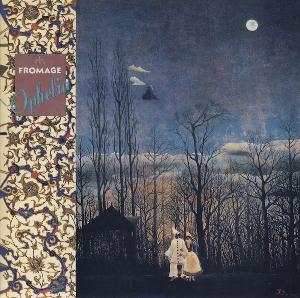

Japanese bands seldom choose poetic cover arts that I happen to like.

A keyboard background, a high-pitched voice and an excellent bass guitar work are the main features of Thoma, but I also recommend the sensitive drumming, the ethereal flute and the well found melodies. As the song is rather long (some 9 minutes, in fact), another winning point here is its diversified and coherent architecture, where atmospheric passages and up tempo breaks are set to please any prog lover. And if you liked this one, please try the whole album, that's worth your attention, IMHO.

Thursday, 26 February 2015

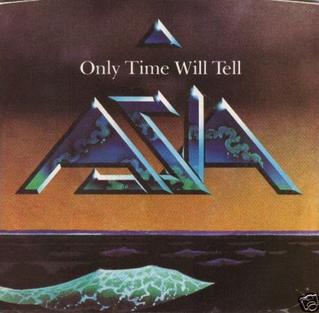
Only Time Will Tell (Asia, 1982)

When a group of famous prog artists decide to write down a bunch of plain songs, the final result is seldom exciting and, of course, successful. This is exacly the case with Asia's debut album, and this is one of my favourite tracks in it. All is done to please the listener here, and this is both the strongest and the weakest point of "Only Time Will Tell".

This song was the second successful single from "Asia" LP.

No adventurous musical patterns, no brand new solutions, but many enthralling moments and a lot of energy and good melodies. That said, Asia strongly contributed to the creation of what we call today Arena Rock and  their heroic sound is never too pomp or bombastic, as the good taste is part of those musicians' DNA. Useless to say, they all play their instruments the way we perfectly know. "Only Time Will Tell" is one of those songs that wind me up. What about you?

Wednesday, 25 February 2015

Aegian Sea (Aphrodite's Child, 1972)

"666" is a prog legend among albums, likely the best known and most appreciated one by Aphrodite's Child. This highly descriptive track is a perfect depiction of the sea, as it is based on the wave breath and is graced by Vangelis' inspired keyboards. This man, whose real name was Evangelos Odysseas Papathanassiou (Ευάγγελος Οδυσσέας Παπαθανασίου, in Greek alphabet) surely is one of the best reasons to the band's celebrity, but I won't forget Demis Roussos' high-pitched voice, something you won't find in this song.

The band split up during the sessions of this album.


By the way, you'll appreciate here one of the most fascinating and ethereal guitar solos by Anargyros Koulouris, aka Silver. The emphatic tone of the album - inspired by the Bible's Revelation book - is less important in this track, featuring an atmospheric mood that actually announces some of Vangelis' future releases.

Tuesday, 24 February 2015

Mílanó (Sigur Rós, 2005)

This is a musical jewel by the most known Icelandic band ever, coming from their album "Takk...". As any other Sigur's songs, this is a slow series of crescendos, an intense, deep reflection on life. We can only imagine the song is somehow linked to Milan, as the lyrics are in the band's own invented language, called hopelandic. For sure, you'll find here all the Northern, dusk-inspired magic that singles out those musicians.

The band, the snow... what else?

The keyboards are like a snowy landscape, while the electric piano and the bass guitar draw doodles in the air, moving and persistent doodles, as a matter of fact. Vocals are just one more instrument, flowing up and down all through the song and shifting from quiet contemplation to undefined sorrow. Maybe Sigur Rós have a limited range of emotions to communicate, but oh... how perfectly they pass them to the listener's soul!

Monday, 23 February 2015

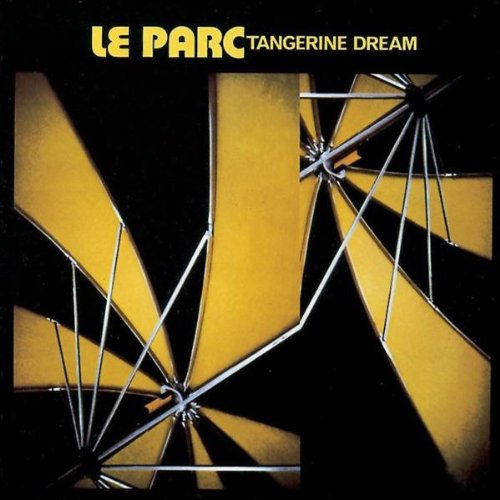
Bois de Boulogne (Tangerine Dream, 1985)

I know the real TD's hardcore fans won't agree with me, but this is a track I simply adore... and I even like the whole "Le Parc" album. Sure, the band's best releases belong to the '70s, but this concept about City Parks around the World is an enjoyable one, melting good electronic music and commercial requirements. In particular, this opening track, describing the Boulogne Forest in Paris, is a perfect example of '80s electronic sound, but with a special twist only a great band from the Golden Prog Era can add to the melting pot.

 The band's lineup in this album is: Froese / Franke / Schmoelling.

The track grows up little by little and the final section is an enthralling and clever piece of prog, just like it used to be with Tangerine Dream. I added "Bois de Boulogne" to my blog because one sometimes needs some pleasant and not too tricky music, a track that just sweeps away the daily troubles or the Monday blues... well, this is exactly what one's searching for!

Saturday, 21 February 2015

Looking for Someone (Genesis, 1970)

Here's the first track from the first "fully Genesis" album. So, in a way, this is how early fans got aware a new band was born. The a cappella intro is a classic, something Peter Gabriel did again three years later in "Dancing with The Moonlit Knight", another album leading track. The rest is pure fantasy and unpredictable music. The tempo changes, the sung melody reprises, the liquid, misty mood are too well known to be introduced here.

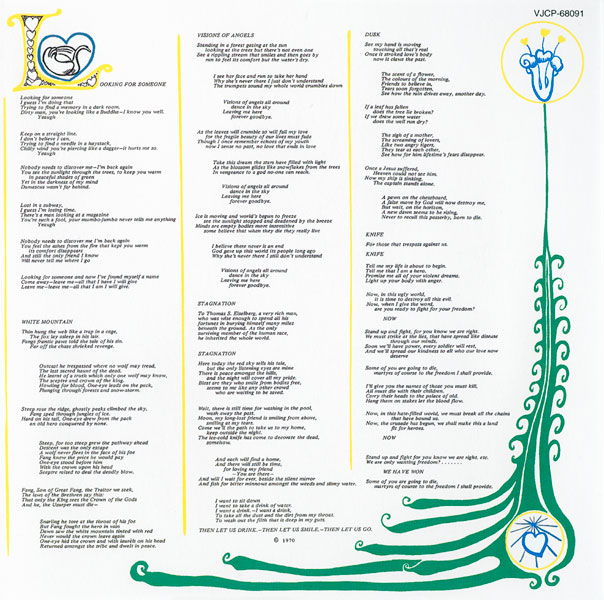
That's how Paul Whitehead's pencil graced the album lyrics. 

Better write about Gabriel's performance, ranging from the lower, hoarse tone to a sharp, alarming pitch. Another strong point is Ant Phillip's guitar, both sweet and sorrowful, and perfectly supported by Tony Banks' organ, providing the hard stuff for the song and rousing the rhythm section. What's more, "Looking for Someone" is full of emotion and it digs in the listener's soul the way only the greatest band can do.

Friday, 20 February 2015

La Bête du Gévaudan (Sens, 1999)

First of all, Sens and Saens are the same group, as this French band added an "e" to their name after their first release, the one this track comes from. That CD, "Les regrets d'Isidore D." ("Isidore D.'s Regrets", that's to say) is also the only one sung in French. "La Bête du Gévaudan" actually is the longest and more adventurous track from Sens' debut album, a progressive tour-de-force featuring a series of surprising contrasts. Intense, up tempo passages and deep, nocturnal parts, tricky rhythmic patterns and a rather theatrical voice are but a few of the things you'll find in this epic.

Sens / Saens are one of the most original French bands of their era.

Saens (I beg your pardon... Sens) surely aren't afraid to explore different genres and unexpected solutions, so this is an ever changing piece of music, even if it's also a fully enjoyable one. About the lyrics, now. The Gévaudan's Beast was a mysterious wild animal - most likely a very big wolf - that haunted the Southern France Region of Gévaudan between 1764 and 1767, causing one of the greatest colective huntings ever. A very good topic for a prog song, isn't it? Saens will find other ways in the following albums, but this song, IMHO, is a milestone in their career.