Saturday, 30 August 2014

Naü Ektila (Magma, 1970)

Magma did almost everything when it comes to creative and eclectic prog and I'm not saying I like the whole lot. For sure, this is my favourite track from their debut album. It has many faces, this song, based on pastoral, sweet sounds and including free jazz, rock'n'roll, improvisation-like jams, creative percussions and so on.

This challenging double LP set up Magma's long story.

It's a strange and puzzling trip through different moods and landscapes along a delicate flute and 12 string guitars fil rouge not so far from early King Crimson. But, of course, all the other elements in the track are totally unpredictable. Still, when they surface they're never unpleasant and the listener tends to accept them the way a child grabs a new toy before coming back to his favourite one. Curiosity and imagination, these are the key words.

Friday, 29 August 2014

I Can't Look Away (Trevor Rabin, 1989)

Mostly famous for being a member of Yes between 1981 and 1995, Trevor Rabin has a long and brilliant career both as a solo artist and as a producer, and he also wrote many successful original soundtracks major films, like "Armageddon" or "American Outlaws". But he's responsible for many good prog rock songs too, such as this "I Can't Look Away", taken from the album "Can't Look Away".

This was Trevor Rabin's fourth studio album.

As you can easily imagine, it's a guitar driven, mostly instrumental epic, well balancing majestic solos and delicate interludes. Rabin managed to merge some '80s electronic devices and a classic prog rock texture, not so far from Hackett's and Howe's solo projects from the same era. But the thing I especially like here (and also elsewhere in Rabin's albums) is the emotional side of the track, full of passion and intimate sadness. Trevor's technical skills do the rest, of course.

Wednesday, 27 August 2014

Nights in White Satin (The Moody Blues, 1967)

Do The Moody Blues really belong to the prog rock movement? For sure, they anticipated many of the fundamental features of the genre, as their "Night in White Satin" hit easily proves: a well arranged fusion of classical music and pop rock, instrumental interludes (in the album version, at least), mood changes and, of course, the inclusion in a concept album, the band's second one, titled "Days of Future Passed". The concept was about the different times of a day, so that "Nights in White Satin" represents - of course - the night and closes the album.

This song was released as a single in 1967, 1972 and 1979,
always charting, and had of course many different cover arts.

The orchestra plays a central role in the long version of the song and it does so without any sharp contrast with the band: each moment has its own space and role, even the spoken comment during the final part of the song, a section that also had an originally unlisted title of its own, "Late Lament". The famous and beautiful sung melody fills the first part of the track and goes through different arrangements, so that each verse of this airy ballad seems to add something new and different. Prog or not, this band (and this track) strongy contributed to the building of a new musical era.

Tuesday, 26 August 2014

In Haze of Time (Trespass, 2002)

When I first read this band's name I imagined a Genesis inspired act, surely not the first one. But when I listened to their debut album and to the title track I'm introducing here, I changed my mind. There's a vintage prog mood, sure, but as varied and eclectic as possible, with many changes, inspirations and good surprises. Old good '70s keyboards, yes, but also jazzy moments, choral arrangements, folk passages and proto-prog scents.

Trespass is a powerful trio... you'd say they're more than three!
 
A funny, rich, pleasant mix from one of the best Israeli prog bands I know of. In addiction to this, a catchy but not trivial sung theme... something I never dislike when it comes with such a colourful instrumental abundance. So, if you want to tumble back the years and also you like to discover something new, this is your cup of tea.

Monday, 25 August 2014

The Water (Light, 1972)

These Dutch musicians went out with their first album in 1972, with a concept about Moses story and they managed to release just this good album based on glorious keyboards sound. In particular, this opening track we can roughly divide into three different parts is pleasant and full of good ideas. Nothing really new under the sun, of course, but all very well written, arranged and played. The first section is a pastoral instrumental, then you'll find a spoken intro to the short sung section and a finale where keys finally introduce a jazzy electric guitar  and a closing hippy-era choir.

A not so well known example of early Dutch prog.

You'll appreciate a succession of good themes and a slightly acid electric guitar floating on a sea of keyboards. Mostly instrumental and melodic, this song also includes some rythmic accellerations,  good largos. If you like that kind of liquid prog that flows down between enchanted landscapes, well, this track will certainly suit you. Just a final note: this band is not to be confused with another and more recent Dutch act bearing the same name.

Friday, 22 August 2014

Já nejsem já (Ota Petřina, 1978)

A rather vast production of prog or prog related rock sprung up in Eastern Europe between 1973 and the early '80s.  Ota Petřina is one of the finest authors of that wave and he released the album "Super-Robot", probably his best one, in 1978 under a label band bearing his own name. This track, "Já nejsem já" (something like "I'm not myself"in English), opens the LP.

Ota Petřina also released an extended 2-CD version of this album in 2009.

It's a mellow and spacey epic, very well written and played, somewhat reminiscent of the most known British prog heroes, but with a special, introspective and pulsing sound of its own. Also the lyrics in Czech contribute to that, and even more do so the delicate acoustic interludes, breaking the ruling keyboard / bass guitar interplays. I really enjoy this song each time I listen to it and so I hope yo'll do.

Thursday, 21 August 2014

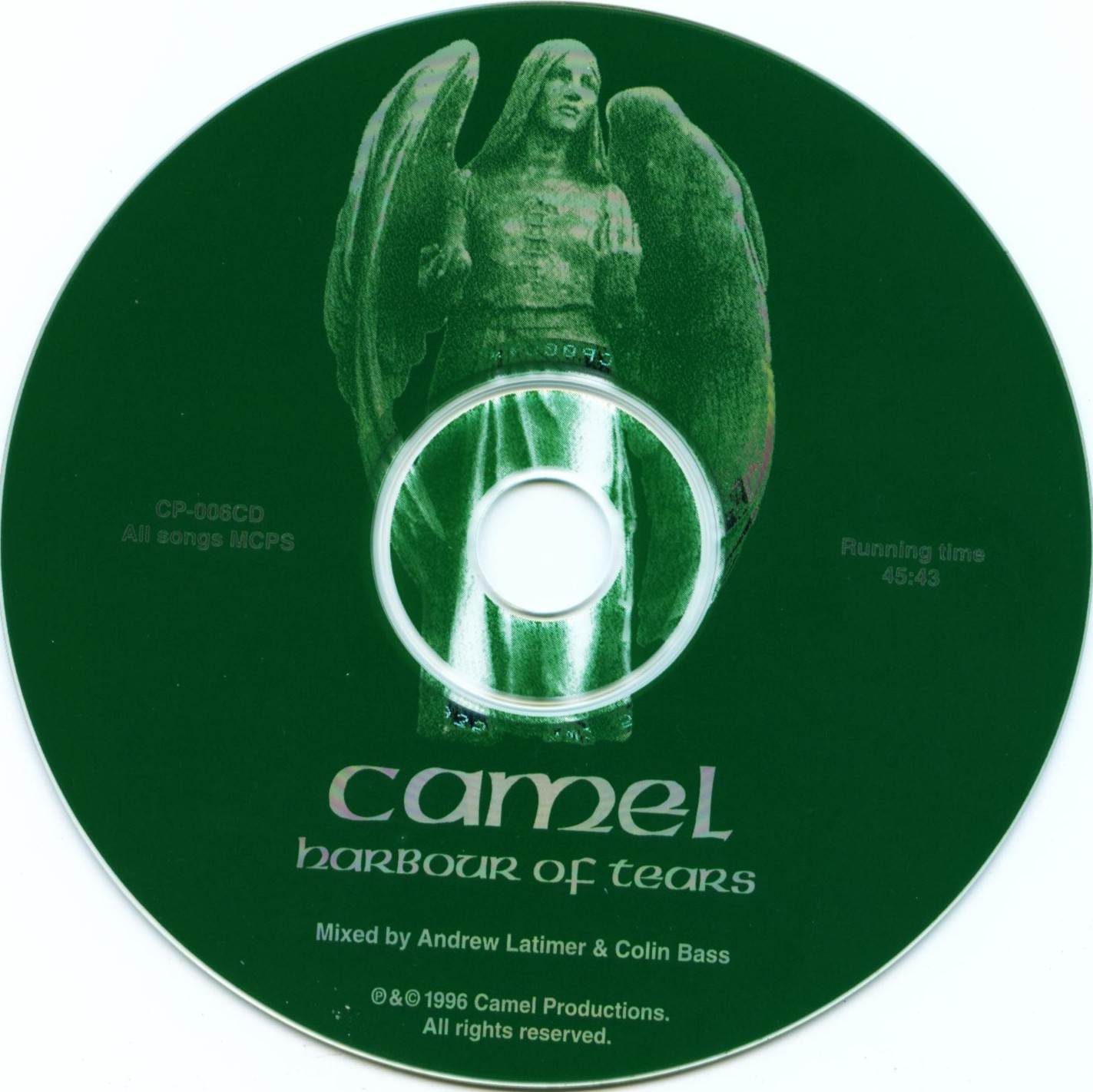
The Hour Candle (A Song for My Father) (Camel, 1996)

This long track (9 minutes of good music and 14 more of gull and sea effects) comes from Camel's "Harbour of Tears" album, a concept based on Irish emigration to America. The sweet, sad, bluesy Latimer's electric guitar solo is the most magic moment of the song, but I like every bit of it (well, maybe not so the final gulls and waves...), as the main theme is simply magnificent and all the variations are worth Camel's long and glorious history.

"Harbour of Tears" is my favourite album by Camel after the '70s.


The a cappella reprise of the traditionsl Irish Air opening the album is also very good and acts as a bridge between the proper song and the sea sounds coming after a minute or so of silence. Camel succeed IMHO in describing the sadness of leaving one's home country and breaking maybe forever all family and friendship links. Heartbreaking, that's the word.