Showing posts with label 1996. Show all posts

Friday, 17 June 2016

Paintbox (Pendragon, 1996)

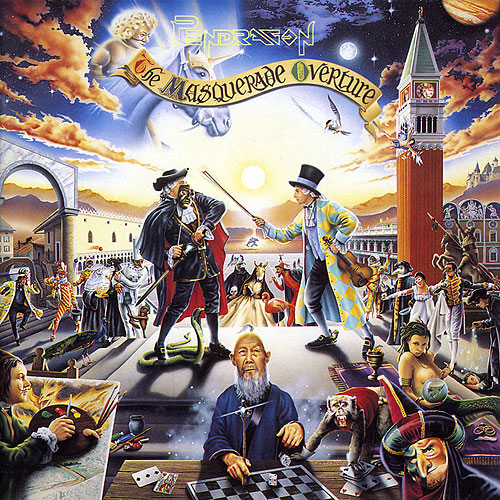
Another fairy song, one of those floating clouds that made Pendragon what they are, that's to say one of the most popular prog bands of the neo-prog era. "Paintbox" comes from the album "The Masquerade Overture" and is kind of a manifesto of Nick Barrett's guitar. Dreamy and liquid, this instrument is perfectly enhanced by all the other musicians and especially by Clive Nolan, displaying magical keyboards everywhere, and Peter Gee, whose bass guitar flows like a mountain stream through the Enchanted Forest.

Thank you, Mr. Barrett and... go on proggin'!
 
The sung theme is simply perfect, catchy but never trivial, and the instrumental sections are sweet and a hundred feet above the ground. I know that some of the most sophisticated proggers out there will consider this song too commercial and mellow for their tastes, but I'm a simple man and "Paintbox" makes me dream and makes me shiver so deep inside my soul. Will you forgive me?

Sunday, 22 November 2015

The Shadow (Pendragon, 1996)

The first thing I thought when I first listened to this track was: "Wow... what a melody!". And there is actually a splendid theme here, one of those you're obliged to sing along. Then, I appreciated all the rest: the beautiful arrangement, the bridges, the instrumental parts and so on. This song is an excellent specimen of what some reviewers call neo-prog, whatever this word means.

"The Shadow" comes from "The Masquerade Overture" album.

For sure, I like the way Nick Barrett & friends mix easy and even catchy themes with guitar and keyboard solos, tempo changes and other traditionally progressive features. If you know how to manage such a blend, you can do miracles and that's exactly what Pendragon did with "The Shadow"... a musical dream, a colourful trip and a surprisingly modern, almost essential sound. So thank you for the music, my Gloucherstershire friends!

Wednesday, 1 July 2015

Hope (Dracma, 1996)

Dracma are a Spanish band whose second album, titled "A Fine Stormy Weather" is worth my prog friends' attention. This track, in particular, deserves some notes I'm proud to put down here. It's a fresh, rather catchy and surely diversified song. Its first section is a lively instrumental intro, then a pastoral mood comes in, with a strong (and welcome) Genesis touch. Some seconds later, here you are a delicate sung theme, a melodic and well found one. A beautiful electric guitar / keyboards interplay leading to a guitar solo finishes this gentle section.

Is it me or this tree has a familiar shape?

The following one is once again sparkling and based on a slightly jazzy mood, where a well played piano rules. Some good keyboards lead on the track and close it in the proggiest way I can imagine. Nothing unheard by human ears, of course, but everything is so pleasant and so well arranged that I usually restart the song for one more musical treat. Will you also do so? Let me know...

Monday, 1 June 2015

Kali - Demolition And Massacre (Ars Nova, 1996)

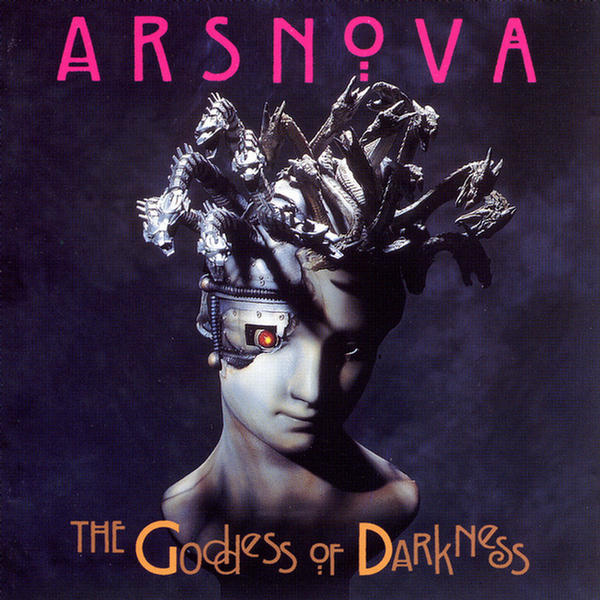
This Japanese powerful trio is the female version of ELP and surely was mostly inspired by the British authors of "Tarkus". This track comes from the album "The Goddess of Darkness", a concept based on female divinities all around the world and the eras. This song, of course, is dedicated to the Hindu Goddess Kali and is full of drama and rythmic inventions. The spectacular keyboards played by Kaiko Kumagai - also responsible for all compositions - are perfectly empowered by the rythm section (Kyoko Kanazawa on bass guitar and drummer Akiko Takahashi).

"The Goddess of Darkness" was Ars Nova's third studio album.

If you like highly dynamic prog, fast progressions and irregular rythms, this is for you. Demolition and Massacre are quoted in the sub-title of this instrumental and you'll definitely find them in this series of dark and devilish themes. So this is a piece of advice for you all: don't listen to this if you're faint hearted!

Monday, 2 February 2015

The Doorway (Spock's Beard, 1996)

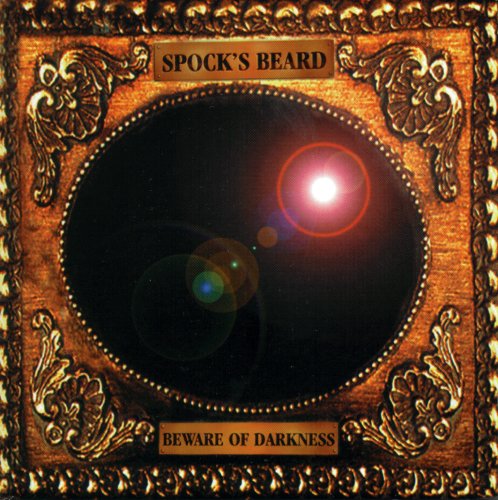
Actually, a pearl in the brilliant US prog ocean, this one! Coming from the album "Beware of Darkness", this track is the perfect fusion or rock, folk and classical inspirations, something most of us old prog lovers like very much. All the instruments play as one, while the tempo continually changes and the mood too, including warm country passages along with full symphonic rock riffs. And what about the acoustic guitar solo bridges, the piano intro or the surprising finale? Wow...

"Beware of Darkness" was SB's second studio album.

I also think this is one of the best Neal Morse's vocal performances, and that's saying something! IMHO, this song captures the early, purely prog spirit of Spock's Beard, before any internal struggles and theological lyrics. They were ready to go on their own musical and spiritual path, but I adore the way they were back then, so full of energy and ideas.

Sunday, 12 October 2014

The North (Cast, 1996)

The huge discography of Cast includes so many prog pearls that it's difficult to choose one of them for my blog (but it's not the first one and it won't be the last). "The North" is a beautiful two part suite taken from the album "Beyond Reality", pretty much in neo-prog style, very well written and performed, I daresay. The two sections are titled "Northern Place" and "All The Way from Nowhere", and really begin with a Northern, rather cold mood, soon evolving into an up tempo track, and there's where we find the warmest soul of Cast.

"Beyond Reality" was the 6th studio album by Cast.

As usual, the sound is a European one, but the fire inside the song likely comes from Latin America. Some od the keyboard / guitar interplays are stunning, and please look at all those tempo changes! And what about that devilish instrumental finale? Definitely, one of the best bands in their genre, and one of the best set up tracks of their career.

Tuesday, 7 October 2014

Il fiume - Parte prima (Le Orme, 1990)

When Le Orme came back in 1996 with a new album after a rather long hiatus, just a few prog lovers expected something good by them. And they had some reasons to be suspicious, having endured many arguable artistic choices from the band during the '80s and the early '90s. But "Il fiume" actually proved to be one of the best Le Orme's works, a concept about Eastern religions and philosophies, centred on the sacredness of rivers. The track I'm introducing here is the leading one, full of progressive fire and ethnic flavours.

With this album Le Orme definitely came back to their prog roots.

The main theme is really good and the double keyboard work is simply stunning. Another strong point of "Il fiume - Parte prima" ("The River"- Part One, in English) is Michi Dei Rossi's eclectic drumming, much more mature than previously, IMHO. I like the wole album very much, and such an intro immediately gives a hieratic and flowing pace to the entire work. A treat, I guarantee.

Friday, 3 October 2014

Sirens (Arena, 1996)

When it comes to Arena, I immediately declare I love all their albums before their conversion to the metal religion. Albums like "Pride", for example, have a special touch, made of brilliant sounds and epic atmospheres, and kind of a joyful point of view on the progressive universe. This long song, "Sirens", is one of the best in such a musical style, full of tempo and mood changes, guitar solos, well found melodies.

"Pride" was Arena's second studio album in  1996.
 
The rythmic section too provide a lively, diversified structure on which the instrumental and vocal lines ride like on a troubled water and sometimes find a calmer sea. The main theme's different returns spot the track and virtually divide it in smaller compositions, all linked by inner and clever cross-references. A last special mention for the technical skills, simply stunning. But then, with the likes of Pointer, Nolan, Jowitt and so on, how could it be otherwise?

Thursday, 21 August 2014

The Hour Candle (A Song for My Father) (Camel, 1996)

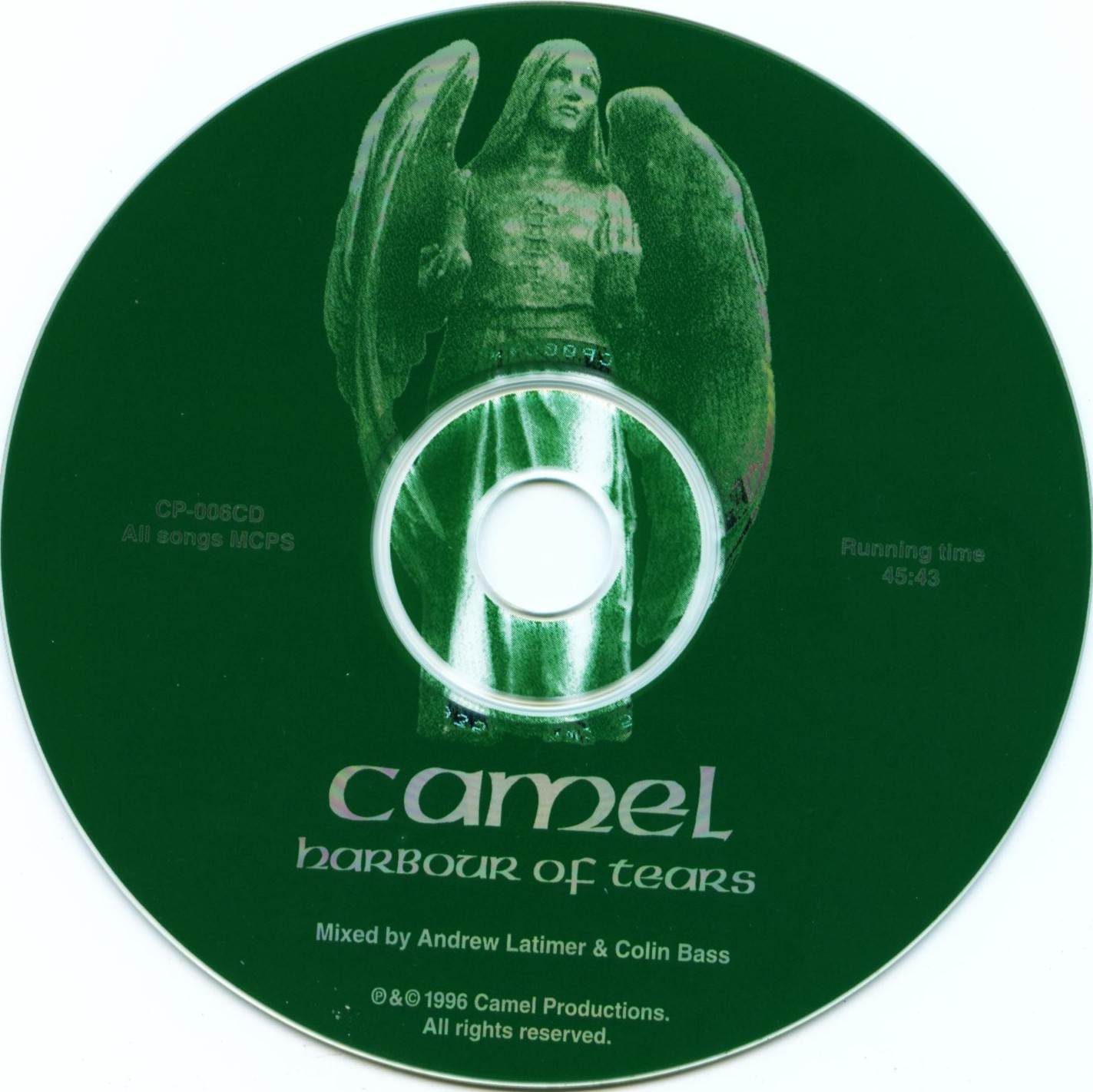
This long track (9 minutes of good music and 14 more of gull and sea effects) comes from Camel's "Harbour of Tears" album, a concept based on Irish emigration to America. The sweet, sad, bluesy Latimer's electric guitar solo is the most magic moment of the song, but I like every bit of it (well, maybe not so the final gulls and waves...), as the main theme is simply magnificent and all the variations are worth Camel's long and glorious history.

"Harbour of Tears" is my favourite album by Camel after the '70s.


The a cappella reprise of the traditionsl Irish Air opening the album is also very good and acts as a bridge between the proper song and the sea sounds coming after a minute or so of silence. Camel succeed IMHO in describing the sadness of leaving one's home country and breaking maybe forever all family and friendship links. Heartbreaking, that's the word.

Wednesday, 18 June 2014

Sanktuarium (Quidam, 1996)

This is the opening track of Quidam's self titled, first and most appreciated album. It fully represents this Polish band's style, made of elecric guitar solos à la camel, charming female voicals - that's Emila Derkowska's pure and mysterious voice - and atmospheric breaks. Actually, Quidam inspired many other prog bands, not only in their own Country, with their brilliant mix of prog rock and celtic folk and their unique soul. Sanktuarium has got a winning melody and a lot of dreaming guitars, both lying on a keyboards smooth carpet and a neat rythm section.

This is the 1996 album cover art, but I recommend the 2006
10th Anniversay 2 CD edition.

All the electronic devices are employed with discretion, just to enrich the shadowy mood of the track, whose lyrics in Polish describe the search of an inner sanctuary hidden behind a rainy, windy dusk, in a moment of painful solitude. This arcane union of Nature and human feelings is what I perceive in every second of "Sanktuarium". Morn, yes, but beautiful.

Friday, 14 February 2014

Empty Lie, Empty Dream (Gerard, 1996)

One of my favourite Japanese (neo) prog tracks, this Gerard's opening track of their album "The Pendulum". It starts a little like Pinl Floyd's "Time" with a paraphernalia of clocks, but all the rest is completely different. Actually, it's a heavy symphonic song, driven by excellent, very fast and wild Toshio Egawa's keyboards, perfecty supported by the rythm section. Sure, the song also includes some down tempo and atmospheric sung sections, with the beautiful vocals of Robin Suchi, but Egawa's work is simply brilliant and his solos are worth more than a single listening.

An old fashioned romantic cover, as in Gerard's tradition.

Even if you'll find here a certain grandeur, those guys are never too bombastic and know when to stop it there and turn the stage. I do think Gerard are one of the musical peaks of Japanese progressive rock and their intricated style sets on fire an old proggy hearted fan like me.

Sunday, 19 January 2014

De Profundis (After Crying, 1996)

Coming from this Hungarian band's fourth studio album, "De Profundis", an eleven and half minutes suite divided in three movements, is one of their best achievements, IMHO. There's nothing derivative or trivial here and all the solutions are highly creative. Sure, the morn and down tempo mood of the song is somewhat linked to some of the greatest bands of the '70s (especially King Crimson, I'd say), but you'll hardly find in it a direct reference to any of their songs.

A really good album I highly recommend
...if you're not into metal prog, that's to say.

"De Profundis" is a really emotional track, featuring a classical and rich orchestration, based on keyboards and a killing touch of viola, violin, flute and bassoon. And when these acoustic instruments come in together, in the long instrumental section of the song, emotion rises up even more, sadness fades into sweetness and I actually touch the sky. Another special mention goes to the strong and sensitive vocal performance (in the band's native tongue, something I always like) adding an inner feeling to the big picture. In short, "De Profundis" is a precious experience for any prog lover. And for the rest of the world too.

Sunday, 17 November 2013

La Danse de la perte (Galaad, 1996)

This Swiss band’s album “Vae Victis” features several excellent tracks. “La Danse de la perte” (meaning “Loss Dance”) presents many interesting aspects. The first one is its unusual architecture: a suite of about 12 minutes divided in two very different parts: part 1, titled “Maybe We Are Brothers”, is sung (mostly in French) and even if this song is dedicated to a dead friend and not to a lover, these beautiful lyrics remind me an Aube, a medieval poetry in which the lovers complain the approach of dawn (Aube, in French) bringing their parting with it. Part 2, “Wasicun”, is an instrumental fast tempo progression, based on keyboards and with some very good guitars too. A moving storm, I daresay.


The band's line-up in 1996, as shown in "Vae Victis" booklet.


The second interesting point is, of course, the music. It’s absolutely original, showing how prog rock can’t be enclosed in a strictly regulated genre, with a harsh and gloomy ballad, some evocative instrumental interludes and the stunning finale I tried to describe above. A last mention goes to Pierre-Yves Theurillat’s vocals, mighty and hoarse, but also sensitive, a rock voice fond of melody.

Wednesday, 8 May 2013

Waiting Phase One (Porcupine Tree, 1996)

I admit I love Porcupine Tree's ballads, slow and acoustically driven, airy and dreamy. This one, in particular, taken from the album "Signify", is perfect in his genre, featuring a well found theme, an electric background supporting the guitar chords and a delicious electric guitar solo. As usual, the vocal performance is soft and almost careless, so moderate one could imagine the singer is just rehearsing a new tune.

Porcupine Tree circa "Signify" album era.

But this is the secret of Steven Wilson and his group: never show up, never emphasize... music is a matter of measure and shade. It's up to the listener to find the secret garden, the inner emotional world that probably lies somewhere behind each Porcupine Tree's song and certainly behind this one. So, I wish you a good hunting.

Sunday, 21 April 2013

Time Has Come (Spock's Beard, 1996)

Spock's Beard are a very good band and this for many reasons. I emphasize this one: they gather all sort of inspirations to forge their own sound. Take this beautiful "Time Has Come", for example: prog rock, neo-prog maybe, but also some country music, a bit of heavy rock, a reminiscence of gospel and even a touch of psychedelia.

Spock's Beard around "Beware of Darkness" period.

Neal Morse is a remarkable singer and composer and here he shows up both these qualities. But the band add all the rest: guitar and keyboards switch themselves on riffs and melodies, bass and drums are always there, driving a perpetual change of tempo. And those passages between different moods are awesome: from the wall of sound to the piano or guitar solo, then back again in no time at all! The lyrics - as Neil Morse says - are partially inspired to a Steven King's character. Fantasy before all. This 16 minute suite was taken from "Beware of Darkness", the second album by one of the finest American prog bands ever... should I add IMHO?