Showing posts with label 1972. Show all posts

Friday, 22 March 2024

Spoon (Can, 1972)

 Can are one of the most important bands coming from the manifold early '70s German rock scene, something we label today as krautrock, even if don't like this word. Can were a highly experimental band, dealing with psychedelic loops, electronic sounds and jazz contamination. This song is one of their most accessible compositions and it played a special role in the band's history. Being a German top 10, also because it became the opening theme of a German TV show, it allowed Can to improve the production of their new album "Ege Bamyasi", in which Spoon was included, and to launch their career.

Ege Bamyasi means "Aegean Okra" in Turkish. 

Despite its short duration time and its rather plain structure, this track features many of Can's signature traits: creative percussions, repetitive riffs, ethnic passages and acid vocal harmonies. The whole outcome is an addicting, spicy, psychedelic song, where many different influences contribute to a unique, surprising musical blend. It surely take the listener back to the '70s, but it also sounds perfectly modern.

Saturday, 31 October 2020

Syracuse The Elephant (Stackridge, 1972)

Stackridge are such a perfectly British-sounding band that their name and music are always been next to a National secret for UK prog lovers. This band came from the west England (around Bristol and Bath) and developed a beautiful folk-rooted kind of prog with a Beatles hint and a good deal of humour. This track comes from the band's second album titled "Friendliness" and is a splendid example of their musical approach to prog. A beautiful sung theme, some acoustic solos, mainly violin and flute flowing on a Mellotron and piano carpet ar but a few of its charms.

"Friendliness" was re-issued in 2006 with four bonus tracks.

The somewhat surprising tempo and mood changes are another essential feature of "Syracuse The Elephant", ranging from English folk to exotic dances. These disparate musical elements are strictly linked to the Beatles-oriented sung sections about a homesick elephant captured and dressed to perform in live shows and movies. We follow his successful career from Bristol to Hollywood and are reminded of the animal's nostalgy for his homeland's veldt. A real jewel, IMHO.

Wednesday, 31 January 2018

The World Is Yours (Caravan, 1972)

Taken from "Waterloo Lily" album, this is undoubtely one of the best prog ballads ever and a blooming flower into Canterbury musical garden. Caravan mix the acoustic set with a soft vocal performance, conjuring up a spring smelling track, a true love song, including all the I love yous one can imagine.

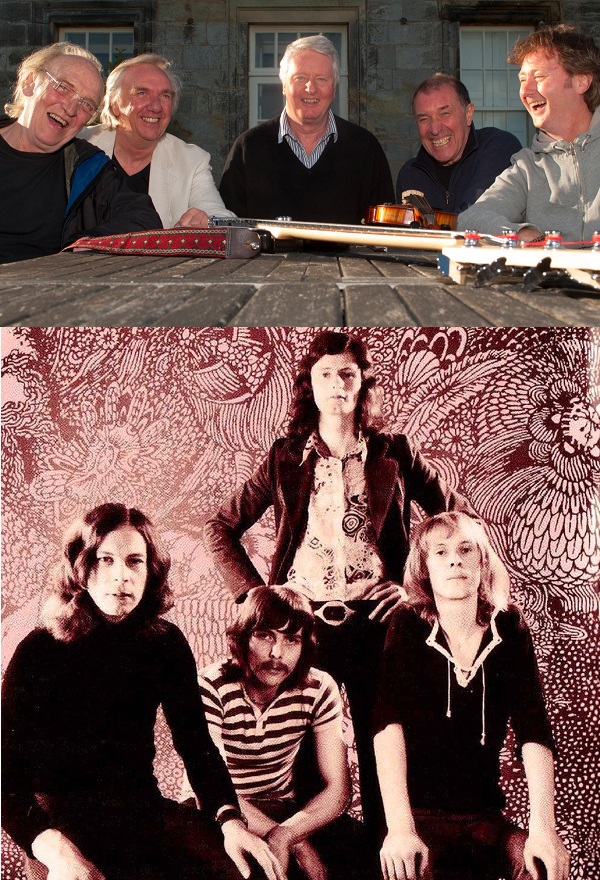
Caravan: all is so Seventies in this picture!

Still, the original way the band wrap up their gift and the never too sweet sound we enjoy is true Canterbury prog, full of warm guitars and also featuring a misty mix and a folk inspiration. True, this is a catchy song, not so far from the best pop songs from the early Seventies, but if all of them were as good as this one, well, I'd listen pop music 24 hours a day!

Friday, 11 November 2016

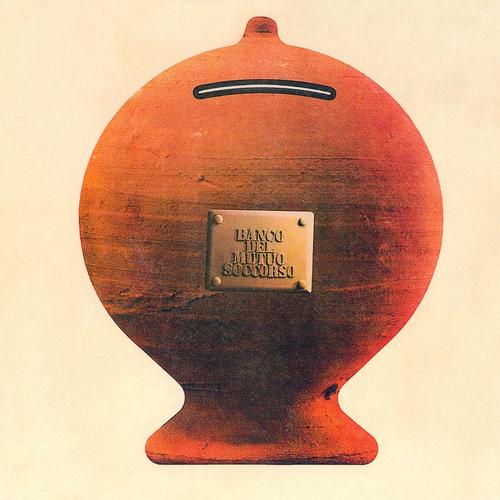
L'evoluzione (Banco del Mutuo Soccorso, 1972)

This is no doubt one of the most important tracks from the Italian prog Golden Era and opens the second Banco's album, a concept based on Darwin's theories. As the title says it, this long song is about Evolution and it actually evolves from a dense and liquid intro to a bombastic, almost explosive central part introducing a melodic, highly structurate finale. Its 14 minutes or so of duration are full of warm touches, clever interplays, accelerations, slowdowns and assorted surprises.


"Darwin!" in a recent deluxe re-mastered edition.


The concept recurs in the lyrics spanning over the long pre-human era (thank you Mr. Di Giacomo!) and also in in the music, coming in a somewhat archaic flavour, based on the bass guitar irregular beat and on well found keyboard effects. Las but not least, this is one of those rare songs successfully combining instrumental skills and emotional power.

Saturday, 8 October 2016

Four Horsemen (Aphrodite's Child, 1972)

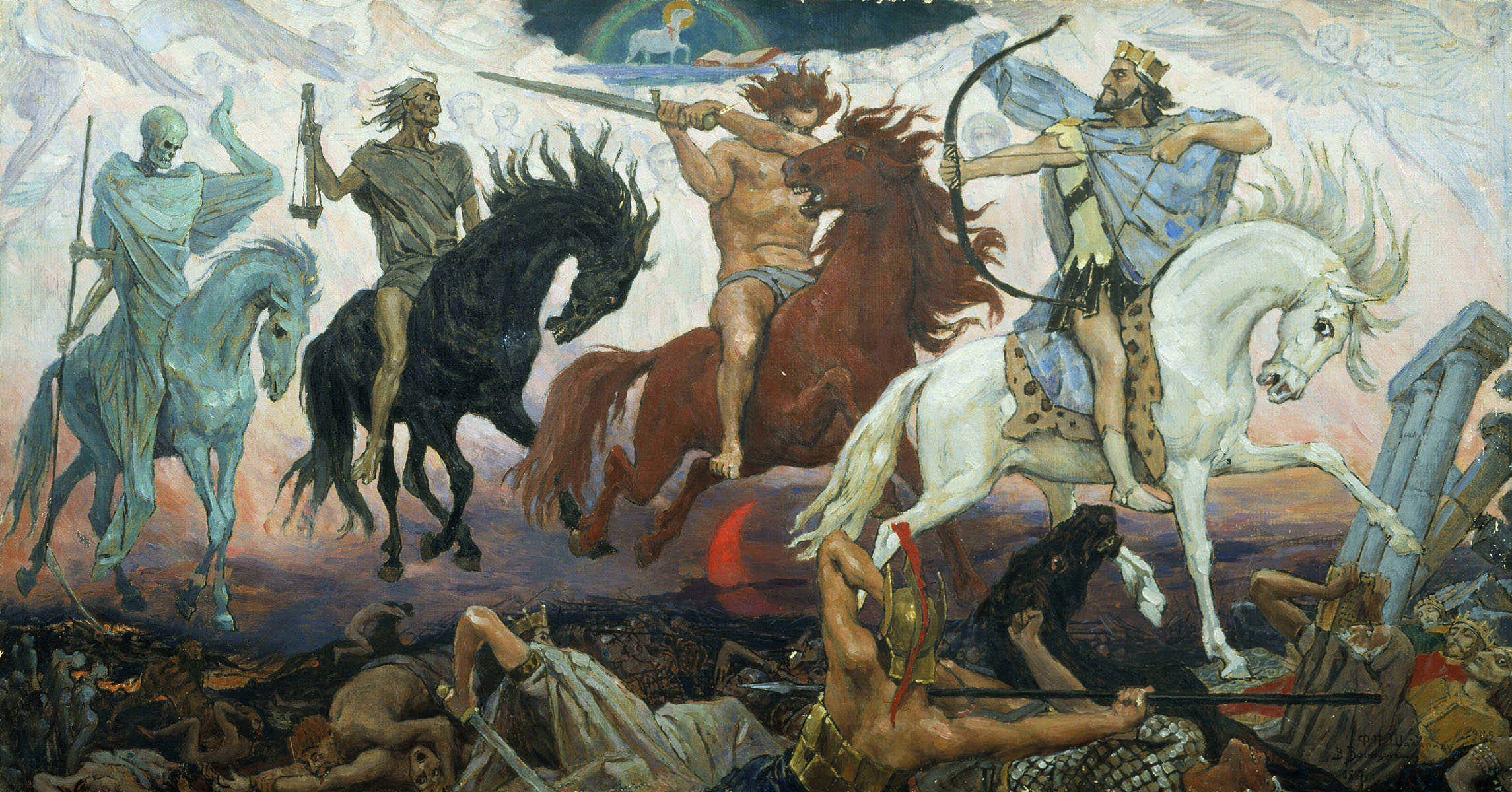
A stunning track, this one is! It is taken from the album "666", a concept about the Book of Revelation released in 1972, when the band had actually already disbanded. Its structure is based on the strong contrast between quiet and loud passages and culminates with the final guitar solo (a very good one, IMHO), backed with Demis Roussos's fa-fa-fa vocal harmonies. As usual with this band, the song includes many diffferent - and even disparate - musical elements, but they all fit very well into a clever pattern.


The Four Horsemen as depicted by Viktor Vasnetsov in 1887.


This mix-matching skills probably are the best reason why Aphrodite's Child are so dear to the progfans worldwide. In addition to this, "Four Horsemen" displays a well found melody and a smart although close lyrical adaptation of the sixth chapter of its Biblical reference book. Useless to say, the Revelation will inspire other prog musicians, but this song and this album have a genuine flavour I still like.

Thursday, 6 October 2016

Metamorfosi (Banco del Mutuo Soccorso, 1972)

One of the most intricated songs from the Golden Era of Italian prog, a true classic. This track comes from Banco del Mutuo Soccorso's debut album and spans over ten minutes of classical, jazz and rock variations, including melodic passsages and experimental ones.


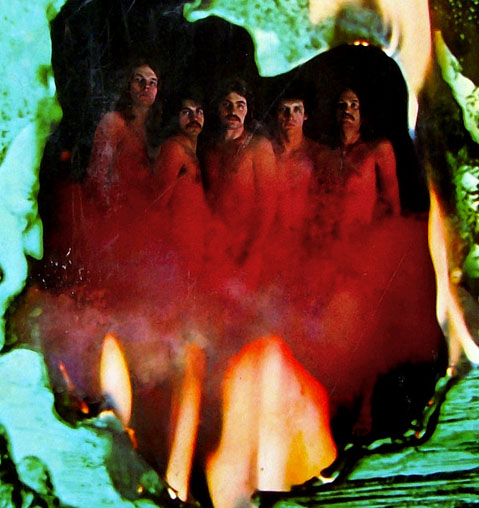
Original artwork, remix artwork and an early '70s BMS's line-up.


The magic fusion of catchy pastoral tunes, devilish improvisation-like passages, symphonic interludes and abrupt changes makes of "Metamorfosi" one of the proggest tracks ever. The title says it all: this song is a long and enchanting musical metamorphosis, where the main theme goes through a series of reincarnations, culminating with the sung section and the bombastic finale. What else could a poor progfan looking for?

Saturday, 24 September 2016

Hallogallo (Neu!, 1972)

Take a walk on the karautrock side, my dear friends, and listen to this "Hallogallo" by Neu!, one of the most uncompromising bands from the German rock scene during the Golden Years. You'll find the industrial sounds of Düsseldorf, but also the moder kind of poetry these musicians were able to create. Rother and Dinger fly high over their pulsing ground and draw an abstract and fascinating picture full of acid patches and fluorescent zigzags. 


"Neu!" was the first album by this seminal German duo.

Unlike many other contemporary acts, however, Neu! never loose the balance between experimental sounds and enjoyable music, so that all listeners will find their own cup of tea in "Hallogallo". Please note that this song is one of the earliest examples of motorik beat, the peculiar 4/4 relentless and mid-tempo beat that many krautrock bands will adopt during the years. Enjoy.

Friday, 5 August 2016

Negru Vodă (Transsylvania Phoenix, 1972)

Transsylvania Phoenix (or simply Phoenix) were a stunning crossover band born in Romania during the early '60s and always ready to explore new musical paths. This long track titled "Negru Vodă" (a legendary Romanian king) has some hard rock solos, a symphonic architecture, many folk references, a strong bluesy foundation and a lot of other good things in it. It comes from "Cei ce ne-au dat nume" ("Those who have given us names", more or less), the first full-length LP by the band, folllowing a long series of singles and EPs.


This album also included a suite dealing with the four seasons.
Highly recommended too.

The track filled the third side of the original double album. The folkish violin (then guitar) riff is a catchy one, but the variations and the sung melodies are also worth our attention and so are the vocal improvisations. When I come across such interesting and beautiful songs coming from all the Countries that usually have a reduced impact on the international rock scene, I wonder how many other masterpieces we didn't even hear of...

Wednesday, 3 August 2016

Movement for The Common Man (Styx, 1972)

ELP were not the only band fascinated by Aaron Copland's "Fanfare for The Common Man", a brass and percussion piece of music written in 1942. Also Styx included in their debut album a four sections mini-suite, including Copland's composition as the third movement. Styx created a rather strange and highly interesting song, based on a composite pattern and lining up four very different moments, apparently ill-matched, but actually forming a pleasant and coherent musical fresco

The "Movement" suite opens beautifully this album.

The mainstream rock elements are set up as the core of a broad and brave exploration of so many faces of musical culture as it was established in the early Seventies. You'll find the classical side, the folk tempations, the USA Southern rock influence, the pop canons and so on. Such a manifold recipe is wisely cooked by Styx, balancing rock riffs, dreamy melodies and mid-tempo ballads... so enjoy your meal... pardon, I meant your music!

Friday, 8 July 2016

La porta chiusa (Le Orme, 1972)

"La porta chiusa" is one of my favourite tracks by Le Orme and comes from their album "Uomo di pezza". After a keyboard-driven intro, a delicate verse gives the perfect "Orme touch" to the song, while the instrumental interplays involving bass guitar, drums and keyboards (mainly Hammond) remind me of this Italian band's main source of inspiration, that's to say ELP.

Ciao 2001, the most influential Italian rock magazine
during the '70s, featuring Le Orme circa 1974.

But of course Le Orme have their own style and even the most devilish progression must come back to a plain and dreamy melody, so that after some minutes of up tempo symphonic prog, here you are a first mellow break, then even a Church organ version of the main theme. Diversified and pleasant, sweet and unpredictable, this song goes on up to the end lining up powerful trio quasi-improvised storms and placid, nocturnal sketches. That's Le Orme, folks!

Sunday, 19 June 2016

Okusosola Mukuleke (Birigwa, 1972)

African prog rock albums (and musicians) aren't common at all, unfortunately, but here you are one of those rare pearls. "Okusosola Mukuleke" is a song by Ugandan artist Birigwa, released during his stay in USA, where he attended the New England Conservatory lessons. It is frankly impossible to enumerate all the different genres that Birigwa combined in his record and especially in this ballad: jazz, rock, ethno, and, of course, a pastoral kind of prog you wouldn't imagine from an African artist.

An essential and beautiful cover art, IMHO.

Actually, the sweet and spicy atmosphere of "Okusosola Mukuleke" perfectly describes the wide savannas and the flute - not so different from Italian prog standards - combined with the ethnic percussions draws an idyllic sketch reminding me a sub-saharian sunset (well, at least the idea I have of it). I also like Birigwa's voice, moving from melody to jazzy variations... in short, I recommend this song to all my prog friends out there!

Wednesday, 15 June 2016

Promesas (Módulos, 1972)

One of the earliest prog bands in Spain, Módulos knew how to mix their fresh and catchy Sixties style with more complex solutions coming from the British prog rock masters. This track comes from the album "Plenitud" and is a rather long song, including an instrumental first half,  where different moments build up a lively and melodic piece of music, dreamy and colourful like a pop song, but also everchanging and unpredictable like a progressive track.


"Plenitud" was the third studio album by Módulos.


The final "Beatles-like" section, for example, comes in unexpectedly and acts like a cameo into such a diversified plot. But likely the main feature of "Promesas" is IMHO the sense of joy it conveys: the musicians actually enjoy their music and seem to celebrate their fully progressive search for a different horizon. Naive or not, this song is still fizzy and unaffected today as it was in 1972.

Wednesday, 1 June 2016

Lying Here (New Trolls, 1972)

In 1972, New Trolls released  a double album - the first Italian rock double LP - featuring this suite on the last side. It's a brave, uncompromising and moving piece of prog, still standing as one of the band's best works. The choral intro, the flute passages, the Church organ chords, the heavy rock riffs, the jazzy variations, the psych hallucinations... everything you'll listen here will add a further touch to this rich and unpredictable track. All the main inspiration sources that make up a progressive sound are in "Lying Here" and no one seems to rule the game.

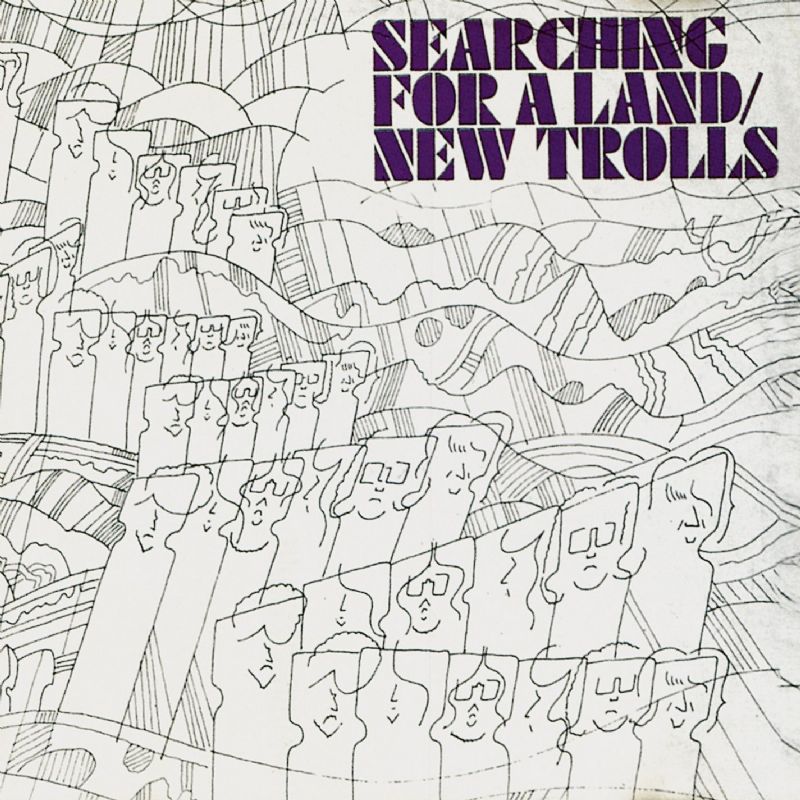
No doubt, one of the best Italian prog rock albums ever.

On the contrary, each mood, each genre, each note opens a different  window on the same, beautiful and wild garden. I really can't single out my favourite sections, as this song has the force and the unity of water and can be a gentle stream or a power waterfall exploiting the same element. Even the fake audience effects play their own role in such a nanifold scheme, so... enjoy!

Wednesday, 4 May 2016

Mother Universe (Wallenstein, 1972)

This is the title song of German band Wallenstein's album released in 1972 and it keeps today all the charms it had originally, plus the vintage glaze that time gives to old (and good) music. Both pastoral and acid, this piano-driven ballad features a hearty vocal performance and a rather gilmour-esque electric guitar, reminding me of early British bands like Quatermass, but with a more melodic taste. 

I really like this album, the second one by Wallenstein.

Some symphonic touches enrich the central section of "Mother Universe", followed by organ and vocal harmonies not too far from Procol Harum's style. The power of the Golden Era of prog is everywhere, while a special Mittel-Europa sound adds an original twist to the big picture. I really like the intense, even dramatic mood of this song and I higly recommend it to you all.

Tuesday, 3 May 2016

Oriental journey / The Least You Could Do Is Send Me Some Flowers (Alquin, 1972)

A delightful, colourful, unpredictable mini-suite consisting of two tracks, the opening ones of the 1972 album called "Marks". Alquin are one of the brightest prog pearls from the Netherlands during the Golden Era of our favourite genre. This is a very peculiar instrumental, whose first part is a peaceful, pastoral and flute-driven section, a very enjoyable, dreaming piece of music. 

"Marks" was Alquin's debut album.

The rest of the suite is completely different, including a manifold and lively series of changes and involving a good deal of winds. It features several moods, ranging from vaudeville to Beatles-like chords. This kaleidoscope of moods and an assorted choice of sound effects build up an original, even humorous double-sided track I highly recommend to your attention.

Wednesday, 27 April 2016

R.I.P. (Banco del Mutuo Soccorso, 1972)

No doubt this is one of the finest Italian progressive rock tracks ever and also one of the most known and inspiring ones. Useless to say, Francesco Di Giacomo's vocals are the first feature of this song striking the listener with their force and passionate tone.The title (to be read as a plural: "Requescant In Pacem") and the lyrics conjure up a gloomy and bloody war aftermath atmosphere and the powerful keyboards add an epic colour to such a sad picture.


The debut album of BMS still stands as a prog monument.

Among the countless songs dealing with war and death, IMHO this is one of the deepest and most moving ones. Lyrics, rock music and melodic inspiration are so perfectly melt here to describe the grievous side of human nature that each time I listen to "R.I.P." I feel uneasy and somehow sorry. And when the piano comes in, I'm nearly ashamed to belong to the human race.

Wednesday, 20 January 2016

Dove... quando Pt. I + Pt. II (Premiata Forneria Marconi, 1972)

"Storia di un minuto" was the first and celebrated album by PFM and it included two parts of the song "Dove... quando..." ("Where... when..." in English), the first one closing the original A side and the second one opening the B side. The two parts sum up some 10 minutes of delicate and charming music. The strong acoustic flavour of this double track will be one of the best known trademarks of PFM and so will be their melodic inspiration.

The first period of PFM's career is a very special prog time...
 
I'm in love with the flute, the guitars, the keyboards (both organ and piano) and the violin opening the second part and announcing the liveliest movement of the mini-suite. In fact, the following jazz section beautifully changes the mood and the tempo of "Dove... quando...", introducing another strong features of this manifold band. Always a pleasure to listen to that...

Saturday, 21 November 2015

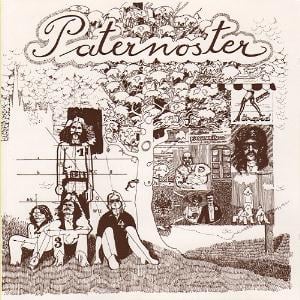
The Pope Is Wrong (Paternoster, 1972)

Arcane and solemn, this Austrian band's music has its own characteristics. This track in particular has a krautrock taste, a space rock atmosphere that still interests me. Paternoster released a sole self-named album in their career, full of weird-sounding songs, between pure progressive and experimental electronic rock. "The Pope Is Wrong" features an excellent drumming work and a manifold collection of electronic effects, but also a series of acid sounds that remind me the psychedelia and certain proto-prog bands.

Paternoster released this album as a fivesome.

Something tells me the band could have heavily progressed, but unfortunatelty we just can enjoy their first essay. A last mention goes to the Church organ Franz Wippel played very well (after all, the pope himself is involved in the song title!) and to Heimo Wisser's effective bass lines.

Monday, 26 October 2015

Going Blind (The Old Man & The Sea, 1972)

What about another one-shot band? From Denmark, this time, and from the early '70s. The Old Man & The Sea based their music on a warm Hammond organ and a slightly acid guitar, not to mention the Tull-like flute. This is the closing song of the album and the longest one, so that this tune and its beautiful variations pleasantly linger on into the listener's mind. The 10 minutes of duration of "Going Blind" allow the band to put in guitar solos and assorted riffs, especially with Benny Stanley's electric guitar and Tommy Hansen's keyboards.

This LP was released on CD along with an outtake album.

That said, Knud Lindhard's bass is also worth a mention... and he's also responsible for the vocals instead of lead singer Ole Wedel. The acid and heavy guitar solo ruling the central section of the song is likely the most famous passage of this pearl, but I also like the bright and melodic following section, where I appreciate a sung section, then the acoustic guitar introducing a devilish Hammond solo. Hot stuff, baby.

Tuesday, 13 October 2015

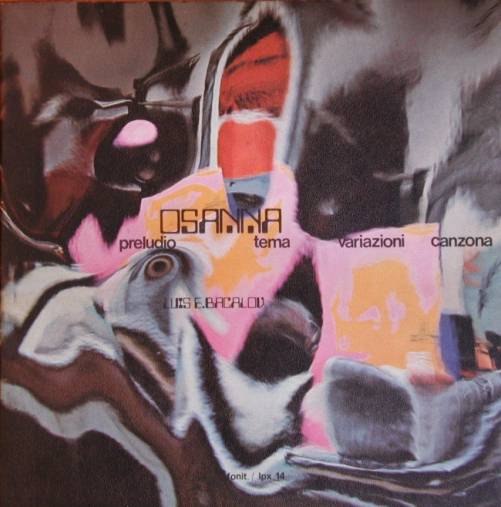
Canzona [There Will Be Time] (Osanna, 1972)

The Italian band Osanna met the composer and orchestra director Luis Enrique Bacalov in 1972 in order to provide the original soundtrack for the film Milano Calibro 9, an action movie directed by Fernando Di Leo. All the materials were included in the album "Preludio, Tema, Variazioni e Canzona", released in 1972 and including a prelude and a theme written by Bacalov, plus a series of variations by the band and the song I'm introducing here. The only sung track are "My Mind Flies" and "Canzona", also known as "There Will Be Time". 

"Canzona" was written by Baldazzi, Bacalov and Bardotti.

It's a beautiful, melodic song, apparently belonging to the Italian easy listening tradition, but actually charged with special and deep prog roots. To begin with, a Canzona is a XVIth Century composition based on a theme and some variations on it, including tempo and mood changes. That's exactly what Lino Vairetti's band do here, with their usual acoomplished taste. The way Vairetti sings it is highly emotional and the instrumental sketches enrich and empower the big picture. A song is just a song, but...