Monday, 29 September 2014

Toutes ces images (Arachnoïd, 1979)

One of the most original French prog bands ever, Arachnoïd just released one self titled album in 1979, where a prog fan can find so many different and good music. This "Toutes ces images" ("All Those Images") is a good specimen of the flushing musical world of Arachnoïd: soft, acoustic passages and dark, electric ones follow one another. Childish melodies and psychedelia, folk rythms and free drumming... in short, the entire prog universe of the '70s is there.
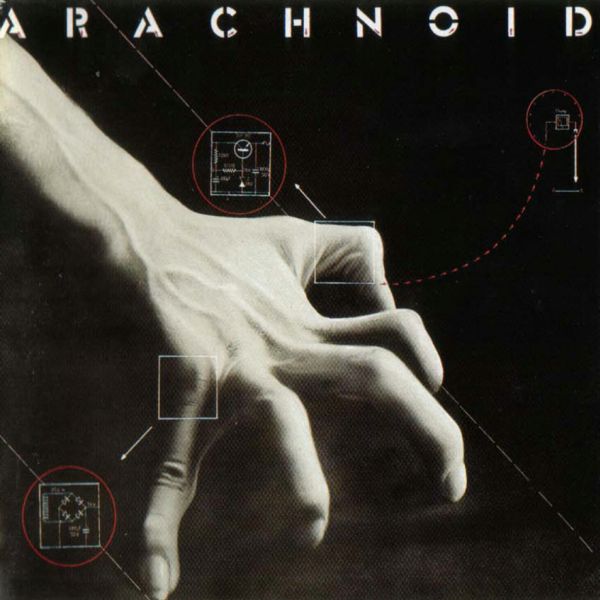
One of the weirdest releases from the French '70s prog scene.
 
There are so many different sources and such an original way to merge them in an unique sound that you barely recognize - here and there - King Crimson and Le Orme, Ange and Magma. All is like melting lava, a fluid sort of rock that flows Majestic from the band to the listener's ears. Great, pure adventure. In a word: progressive rock.

Sunday, 28 September 2014

Rain on The Moon (Dawn, 2007)

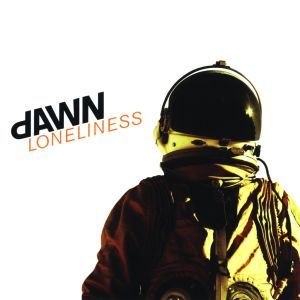
This is a fascinating, classically progressive song by Dawn, a very interesting Swiss band. These musicians like vintage sounds, but they also know how to update them and seldom try some new paths. René Degoumois has a beautiful, pure voice, and also plays wery well his electric guitar. In this "Rain on The Moon", the second track from the debut album "Loneliness", for example, his dreaming solo is reminiscent of past masters, but has its own distinctive sound.

Dawn come from Montreux, on the Lake Geneva.

Another strong point is the free and clever architecture of the band's longest tracks - this one is more than 7 minutes long - where the different themes fluidly follow one another, with some pleasant surprises and well placed reprises. So, Dawn are both traditional and innovative, the way a prog band should be, IMHO. A good mix of familiar solutions and challenging breaks, that's exactly what I'm usually looking for...

Friday, 26 September 2014

Firefly (Bellaphon, 1987)

Here you are a Japanese band from the '80s, one of my favourite acts from Far East. Their sound is surely reminiscent of the contemporary British bands (and of Camel, too), but there's something unpredictable in some of their musical patterns and sounds. Take this "Firefly", for example, the title track of Bellaphon debut CD. You'll immediately observe the flushing collection of keyboard sounds, ranging from the vintage Hammond to the most unusual samples. And what about Taiqui Tomiie's drums? How many rythmic solutions, and how gentle his touch can be!

One of the best istrumental albums of the '80s, IMHO.

There are so many changes in this instrumental epic and so many different moods... but each one is graced by a different solo by Toshihiro Tanaka's electric guitar. Here, of course, you'll recognize the influence of some of the greatest instrument masters, but Bellaphon are perfect when it comes to choose the right effect for each passage and each interplay. Yes, this is maybe their greatest virtue: a very good taste. And this is not common, is it?

Thursday, 25 September 2014

The Turn of A Friendly Card (The Alan Parsons Project, 1980)

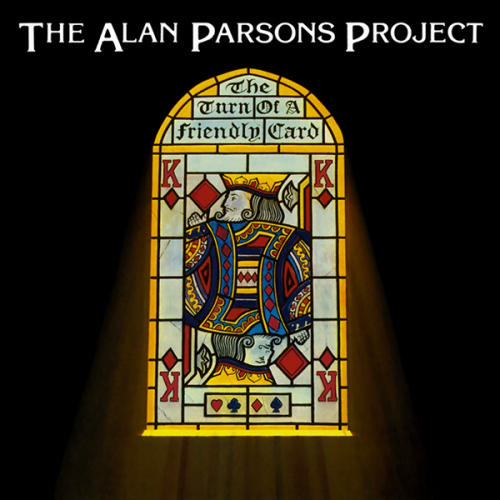
This is the only actual suite in APP's discography, a 16 minute title track, divided into five movements, most of which could easily be considered as stand alone songs: "The Turn of A Friendly Card (Part One)", "Snake Eyes" (also released as a single in the USA), "The Ace of Swords", "Nothing Left to Lose" and finally "The Turn of A Friendly Card (Part Two)". It's a bombastic, diversified epic, whose sections easily follow one another, pleasantly changing the tempos and the moods. As you surely know, the lyrics are about compulsive gambling, also tracing a parallel between life and card games.


I  like each and every note from this album!

The main theme - featuring in the first and last parts - is one of the best melodies by Parsons/Woolfson, a majestic and airy one. "Snake Eyes" is a rock song with an evil twist, while the electronic instrumental third section is in the traditional APP's style. The fourth movement, "Nothing Left to Lose", sung by Eric Woolfson himself, is a stunning acoustic ballad, an intimate interlude I particularly appreciate, just before the final crescendo. This suite proves that pop and prog can get along very well as far as great composers are involved.

Wednesday, 24 September 2014

The Last Sunrise (Xanadu, 2011)

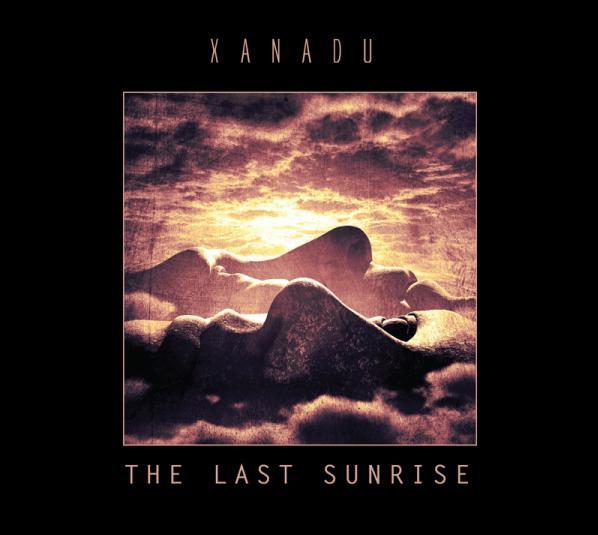
These Polish musicians produce an effective prog rock, melting both heavy and melodic elements in a thick, enthralling way. I like their good taste for a not so common guitar driven progressive rock: just think that keyboards in this song are played by a guest musician, while two guitarists are members of the band. "The Last Sunrise" is the title song of their debut album and it is full of a powerful nostalgy that's very modern and still reminiscent of great bands (well, the goup's name reminds me someone from the other side of the Ocean...).

"The Last Sunrise" is a diversified, interesting debut album.

And of course the middle section of the track isn't so far from post-rock sounds. But this isn't ambient music, as Xanadu love full bodied themes and double guitar solos... and I like them too. Another peculiar way to Polish prog, another musical facet of a Country that never seems to run out of interesting bands.

Tuesday, 23 September 2014

Le porte del silenzio (Malibran, 1993)

When it comes to Italian progressive rock, we usually go back to the '70s, a Golden Era for the Worldwide musical movement and probably a Platinum Era for Italian prog. But I can remember many great albums during the following dacades. This "Le porte del silenzio" ("The Gates of Silence" in English) is a good specimen of what I'm saying. Malibran began their discography in 1990 and always tried to merge the Italian prog features and the neo-prog experience.

This was the second album by Malibran, released in 1993.

This long suite (some 27 minutes, in fact) includes some very good moments, especially when Jerry Litrico's guitar or Benny Torrisi's piano (and assorted keys) are involved. The main theme is very good and I also like the flute sections, provided by Giancarlo Cutulli. Sure, there are some naive passages, but then, this is one of the most known features of the Italian way to prog. The rythm changes are welcome and some of them are pleasant and unexpected. In short, this is a beautiful way to spend your next half hour spare time!

Monday, 22 September 2014

Nonchalant (Druckfarben, 2011)

Oh, how graceful this song is! Canadian Druckfarben surely listened carefully to all Yes albums, but they translated Chris Squire's band world in their own musical language, adding some folk elements and some other influences to create a diversified, colourful prog rock. In this case, they probably were reminiscent of Genesis and Kansas too, and the resulting sound is sweet - never sweetish - and highly evocative.

This self named album was Druckfarben's debut CD in 2011.

Many acoustic instruments contribute to the dreaming atmosphere of "Nonchalant", and so the vocals do, with their vintage arrangements. Be as it may, I love this song and I appreciate the delicate and keenly studied embroideries that grace it. Am I too soft-hearted? Probably I am, but please, listen to this song before my final conviction into the mellowest circle of Hell!