Showing posts with label 1980. Show all posts

Tuesday, 16 August 2016

Into The Lens [I Am A Camera] (Yes, 1980)

As you might have read in other posts from my blog, "Drama" is an album I like very much, in spite of its weird Buggles  + Yes line up. More than this, "Into The Lens" actually was a fully-Buggles song (the duo also was working on it when they joined their new band and also released it in 1981 as "I Am A Camera"). To transform a synthpop tune in a progressive rock track was a challenge Yes accepted and won. The song has a an epic flavour, even if its "plastic" and 80s side isn't completely abandoned. Chris Squire provides the backbone for this version and a series of interplays, changes and vocal harmonies are spread throughout the song.

A short-lived line up, still responsible for an excellent album. 

Of course, the melody was a good one in the first place and the tricky arrangement only enhances it and gives to it the special symphonic rock touch that we all know and love. I also like the pleasant contrast between the tight and rythm-based verse and the wide open, full-bodied chorus, something that Downes had in common with the Yes tradition. Still an excellent track this one, and always worth one more listening.

Friday, 29 July 2016

Pinturas y expresiones (Agnus, 1980)

This Argentinian band was born in the early '70s, during the Golden Era of prog, but they released their sole album in 1980, shortly before the end of their musical adventure. The title track of their work is a long, rather surprising and mostly instrumental suite, lining up three movements and featuring jazzy rythms, latin sounds, flute-driven improvisations, dreamy sketches, pastoral melodies and some very good vocal harmonies.


A finely drawn artwork, matching with the band's musical mood.

As many other bands from Argentina, some of their musical solutions aren't too far from the Italian prog bands, but Agnus surely had a more experimantal way, a free inspiration and an eclectic approach I hardly remember in their contemporary scene and maybe remind me of Dutch band Focus. They liked everything new and most of all they were able to build up a rythm-based song like this one, with beautiful and delicate melodic interludes. Too bad they called it a day after "Pinturas y expresiones"...

Tuesday, 31 May 2016

Behind The Lines (Genesis, 1980)

When Genesis decided to open their 2007 Turn It on Again tour with this track (or more exactly with its intro) some were disappointed. I didn't think so: "Behind The Lines" was indeed one of the best album openings ever and surely is one of the most energetic and fully progressive tracks from the '80s. The keyboard intro has a very special strength, while the sung section displays an unusual r 'n' b side of the band, something Phil Collins will explore during his solo career. The instrumental passages are based on mighty chords but never include proper solos, so that the entire track celebrates the unity and the force of the band far more than the skills of its members.

 
An edited version of this song was released as the B-side of
"Turn It on Again" 7" single.

That said, we can't underrate Mike Rutherford's excellent work: his bass guitar drives the entire song through broken rythms and syncopated beats, creating a unique sound that will inspire some of the forthcoming neo-prog heroes. A special mention goes to the final link to the following track (that's "Duchess"), where the pyrotechnical energy of "Behind the lines" is gently broken up and keenly softened the way a fire goes down to embers.

Wednesday, 11 May 2016

Destiny (Journey, 1980)

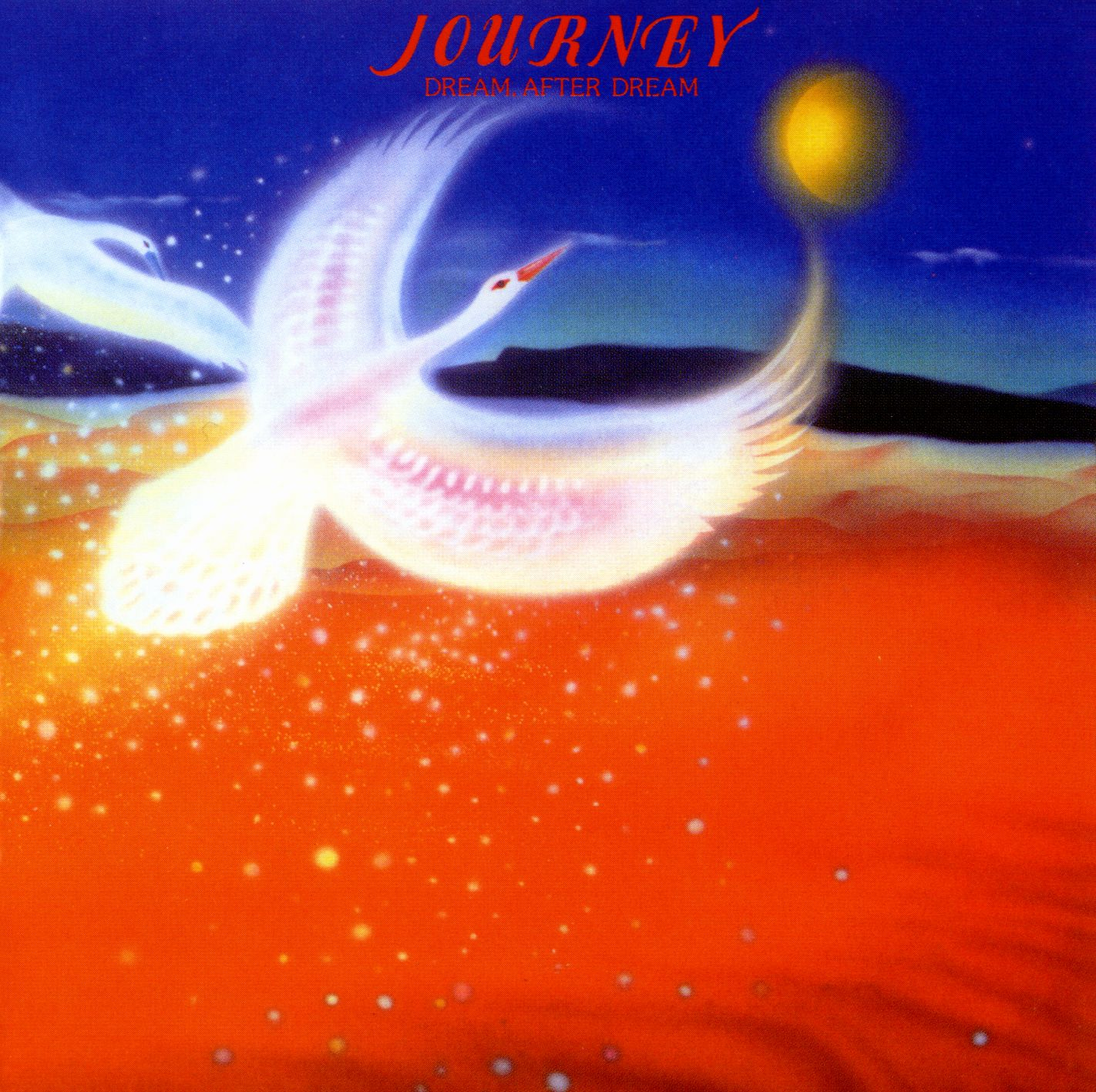
After their prog debut album, Journey decided for a more commercial approach, but when in 1980 they were asked to compose the soundtrack of a Japanese film, they felt free to set up more complex and unpredictable songs. The resulting album titled "Dream, After Dream" included this opening track, a rather long one (9 minutes, more or less) featuring a very good and atmospheric sung theme and an abundant choice of instrumental passages, both slow and fast tempo.

...And I also like this cover art. Don't you?

The contrasts are strong: the melancholic intro, then a rocky, heavy section, followed by a dreamy guitar solo (how good this one is...) and finally a brief, weird electronic coda. I really like this song (and also some more from the album), showing what Journey could have done had they chosen a progger way. True, this coming back to their roots will be a short-lived one, but good music is there to stay, and I'll always listen to "Destiny" with the greatest pleasure.

Saturday, 20 February 2016

Mikä aamu (Scapa Flow, 1980)

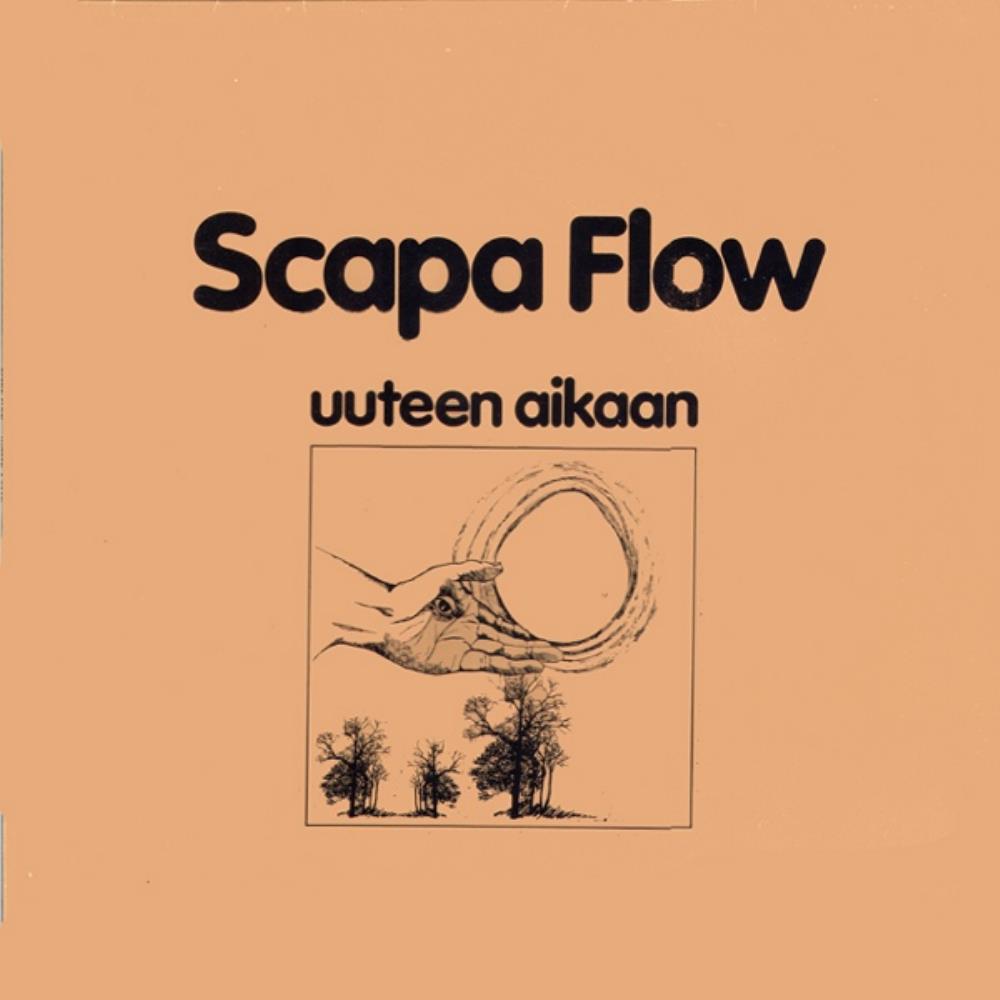
Scapa Flow were a short lived Finnish band that only released one charming album in 1980, titled "Uuteen aikaan" (taht's "A New Era" in English). Packed with sweet melodies and enthralling interplays, this record sounds like Jethro Tull meet Genesis and has a Northern melancholy bonus touch. "Mikä aamu" is a track that fully represents the gentle and folkish mix the band created and performed.

The band members were just three, plus three guest musicians.

The flute plays a central role, but all the instruments add their strong and lively contribution to a magic and never trivial song. And as  the singer employs the band's native language, the final effect is even more original and genuine. Fairy, yes, but not childish at all. Gentle, that's for sure, but never sweetish nor monotone. What else do you need to get a try?

Wednesday, 3 February 2016

Dance of The Little Fairies (Sky, 1980)

I'll skip the long and useless debate about Sky being or not a prog band and I'll add this song to my blog with a great pleasure. "Sky 2" was a remarkable double album dealing with classical and rock music, like the rest of this band's discography. This is a rather calm and folky track, including a delicate piano intro and, of course, John William's delicious classic guitar.


"Sky 2" is a diversified and very rich album.


Keyboards and harpsichord add some more atmosphere to such a beaautiful theme. Of course, "Sky 2" album is packed with epic and long tracks, but I'm partial to this little gem, showing the misty and fairy side of Sky. And of course this is a good chance to enjoy the excellent performances of these musicians...

Friday, 1 January 2016

Tempus Fugit (Yes, 1980)

I heard someone say that "Tempus Fugit" by Yes could be considered as the perfect prog rock track. I don't know if such a canon exists, but I like very much this song, taken from "Drama", one of my favourite albums ever. This is a somehow devilish piece of music, with each instrument engaged in a musical battle against the other ones, and still the final effect is that of admirable harmony and coherence. Just another progressive miracle, I daresay.

The Yes+Buggles line-up in 1980.

Sure, Geoff Downes' sensible touch contributes to the artistic amalgam, but the track is nonetheless sparkling and even pyrotechnical with a stunning series of accelerations and abrupt changes. That's why if I cannot agree with the above draconian quotation, I surely reckon this is great, great prog!

Tuesday, 22 December 2015

Négy évszak (Panta Rhei, 1980)

This four part suite was released by Hungarian band Panta Rhei in 1980 as the longest track of their self-titled album and mixes the two prominent inspirations of those musicians: electronic rock and, of course, prog. Its title (meaning "Four Seasons") reveals that this was another composition based on the frequently exploited theme of the different parts of the year. Even so, this song is an interesting and original achievement. The '80s pop sounds are there, especially in the first section (inspired by Winter) and here and there throughout the suite, but a symphonic and fully progressive plot is also important.

This was Panta Rhei's first official LP, even if a previous album
was recorded in 1977 and only released many years later.
 
Catchy themes and unusual sound solutions follow one another. The band had previously recorded more uncompromising music following the steps of ELP, but I also like the way they tried to be more commercial and never trivial in this track (and in the rest of the album, that's to say). Dated? Maybe, but pleasantly written and strangely hybridated. Curious and intriguing, I'd say,

Friday, 4 December 2015

No One Together (Kansas, 1980)

This is another specimen of pure Kansas-style song. Taken from 1980 album "Audio-Visions", it features all the best elements that builded up the legend of this American band. You name it: The devilish gigas, the catchy chorus, the abrupt volume changes, Steve Walsh' splendid voice, the double keyboard interplays, the guitar solos and the piano sharp chords... all in one package!

"Audio-Visions" was the seventh studio album by Kansas.

More than this, "No One Together" proves how great Kansas are when it comes to mix acoustic and electric instruments in such a coherent pot that you hardly perceive them individually. This symphonic track also includes country and vaudeville elements, adding a brighter tone to the big picture. That's why if I admit "Audio-Visions" isn't the best Kansas album by far, this song surely stand among their best rated releases.

Monday, 23 November 2015

My Brother (Ivory, 1980)

Ivory debuted on LP in 1980 with the album "Sad Cypress", a deeply symphonic-oriented work, including this excellent "My Brother". Some passages have a strong Genesis influence, but the sound of the song has its own taste, made of sweet touches and strong contrasts. Suspended between pure prog and a mild experimental trend, between electric waves and acoustic whispers, "My Brother" is worth the attention of all prog fans, like this entire debut LP.

Ivory came back in 1996 with different line-up and style.

You'll find some original instrumental parts, Gabiel-like vocals and of course a lot of keyboards (there were two keyboardists in Ivory's line-up) and tempo changes. This song and this record also are a precious testimony of the very difficult and delicate transition from the classic era of prog rock and the forthcoming neo-progressive renaissance. Another good reason to listen to Ivory, but surely not the only one.

Friday, 13 November 2015

Primavera de una esquina (Aucán, 1980)

Aucán were a rather short lived band from Argentina. This track, "Primavera de una esquina" (meaning "Spring from A Corner"), comes from the album "Brotes del alba" ("Outbreaks of Dawn") and represents very well their kind of prog. It's a poetic, delicate music, including some acoustic instruments and a good electric guitar, somehow inspired by Mr, Latimer of Camel fame. As this song can prove, the band could also be compared with the mellow side of Italian prog in both musical and litterary sides.

"Brotes del alba" was the second and final LP by Aucán.

You'll also find that such a lyrical piece of music never goes sweetish nor boring: there's an airy and bright mood all along the track preventing any affectation. This perfect mix of sweetness and neatness actually charms me and such a song hardly looks dated today. That's why  I hope you'll enjoy another Argentinian pearl of progressive rock.

Wednesday, 17 June 2015

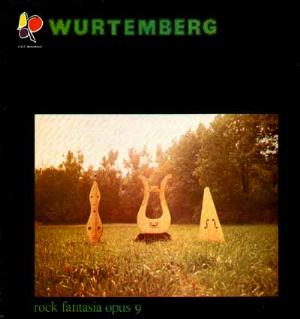
Rock Opus 7 (Wurtemberg, 1980)

This is a beautiful, airy and classically influenced instrumental. It comes from Wurtemberg's debut album called "Rock Fantasia Opus 9". Wurtemberg are the brainchild of Alain Carbonaire, a French multi-instrumentalist fond of a big variety of ancient instruments, some of which you'll find in this track. That said, the piano rules "Rock Opus 7", providing the dynamic and sometimes syncopated pattern on which the other instruments - mainly acoustic ones - add their different voices, building up a symphonic and vaguely medieval sound.

Unexpectedly enough, the band came back in 2008 with
"Rock Fantasia Opus 10", their second studio work.
 
The musical themes spring up and intertwine with both delicacy and liveliness. A special mention goes to Gilles Michault-Bonnet's flute and to Bernard Maitre's xylophone, but everything is in tune and the perfect balance is probably the greatest merit of this track. It actually gives me a little bit of happiness, this song. What else could I expect?

Wednesday, 3 June 2015

Perelandra (Eden, 1980)

Prog rock is a very articulated musical universe. Among all the constellations it includes, Christian prog is one of the less known by the general fandom, apart from some international stars as Neal Morse, for example, or dedicated projects by the likes of Rick Wakeman ("The Gospels", to name one of his best efforts in this field). The main risk with the great number of "minor" Christian bands is, of course, a diminished importance of music to the advantage of lyrics and their religious message. This is not the case with Eden. This German band released an excellent album titled "Perelandra" and based on the famous SF novel by C.S. Lewis, luckily better known for his "The Chronicles of Narnia" series.

"Perelandra" is how the Martians call the Earth according to C.S. Lewis.

This is the title song of the album and it is an excellent example of the lushing sound of Eden. You are immedately taken by the huge variety of instruments (the pesonnel of the band sums up to 10 musicians in this record) and the well done vocal harmonies. But there's more than this: the keyboard and guitar solos, the acoustic passages and the excellent themes are also to be considered. Last but not least, I highly recommend Annette Schmalenbach's pure lead vocals: it's difficult to find a sweeter version of German language...

Monday, 4 May 2015

A Story of Mysterious Forest (Ain Soph, 1980)

Nothing like Japan, when it comes to the '80s! Ain Soph are an excellent example of this flushing era of the Rising Sun progressive rock. This is the title track from their debut album: an intricate, fascinating suite featuring 10 sections, all full of descriptive music, suspended atmospheres and magic themes. Jazzy sections follow symphonic parts, the electronic effects add a special touch to the acoustic percussions and to the highly dynamic bass lines.

Ain Soph released four studio albums between 1980 and 1992. 

You won't recognize here a single model: Ain Soph created their own musical world, so delicate and so heartbreaking that you'll be immediately lead away by their soft and deep melodies. Nothing is trivial, nothing is foregone and if Yozox Yamamoto's electric guitar sounds midway between Gilmour and Latimer, it surely  spread its wings to a completely different breeze. Some passages are like crystal gems, and other ones are red velvet flowers. Rhythmic fantasy and melodic skills... that's enough for me.

Saturday, 25 April 2015

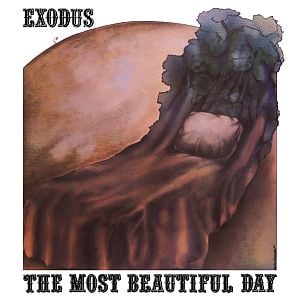
Ten najpiękniejszy dzień (Exodus, 1980)

This is one of the brightest prog pearls from Poland. Exodus come from the '70s - when it wasn't so easy to be a rock band in their country - and released their debut album in 1980, including this title track. "Ten najpiękniejszy dzień" (meaning "The Most Beautiful Day"). It  reveals a strong symphonic side, but even if there are some definite Yes references, I daresay this is an original way to prog. The suite is set up following classical structures and the themes are all very good.


This album also includes three shorter and pleasant tracks.
 
There's a strong rythmic, dynamic background, but I also like the atmospheric interludes, something between prog and space rock. The track is divided into four movements, some of them featuring interesting vocal harmonies, that remind me now and then of traditional Eastern European ensembles. Most of the interplays are great, involving all the instruments in turn and sometimes leading to bombastic walls of sound. That said, there's no useless pomp in this song, just the good deal of sense of wonder we all like in a prog suite. Highly, highly recommended.

Thursday, 23 April 2015

Flight (Peter Hammill, 1980)

This is a prog suite I love so much... and for many reasons. First things first: the music is excellent. Good melodies (the opening theme, for example) and clever, still rather plain arrangements, well done tempo changes and so on. Then, another strong point is, of course, Peter Hammill's vocals, with all their sad, heartbreaking, even weird appeal we all know so well. This voice shines brighter than ever when a bare piano supports it, like in the "Flying Blind" section.

A bare, dark cover, perfeclty matching with the music inside.

By the way, we need some data now: the suite comes from the album "A Black Box" and is divided into seven movements for more than 19 minutes of total running time. In addiction to the above notes, I'll add that this is the most intimate epic I've ever listened to and also the darkest one, except VDGG's ones, obviously. Some "noisy" sections exist here, but they're sharp and sour, so that this track can be considered as a long, intriguing confession, an inner struggle put down in music. Good music, IMHO.

Saturday, 7 February 2015

Piccola rapsodia dell'ape (Le Orme, 1980)

This is the title track of Le Orme's acoustic perdiod second and last album. It's a rich and diversified instrumental, mostly influenced by baroque music, in its most sparkling and gentle wing. How effective the vibraphone is in this song! It seems to me like bluebells chatting in time with the piano. And the string instruments - violin and cello - come in to complete this stunning musical description of a bee's flight, as the song title means "A Bee's Little Rhapsody".

This was Le Orme's eleventh studio album.

If the rest of the album isn't always as good as the previous ones, this track really is a little, bright gem, both unpredictable and enthralling, dancing on the borderland between prog, experimental and classical music. A long and scarcely interesting pop hiatus was on its way, but this music still had all the best Le Orme's charms.

Thursday, 8 January 2015

Arco Iris (Estructura, 1980)

During the '80s, it was easier to find very good prog albums in South American Countries than in Europe. This is exactly the case with Estructura's self titled LP, including this "Arco Iris". Even if David Mamán's keyboards are definitely influenced by Rick Wakeman, this song is more than bombastic (and well played) keys. Firstly, I appreciate Antonio Rassi's guitars, giving an essential contribution to the big picture, then I won't forget María Eugenia Ciliberto's vocal performance, bright and strong as a prog rock voice should be.

This was the band's second (and last) studio cd.

The whole band offer a convincing proof of their prog (and rock) nature. The classic and delicate intro soon becomes an up tempo wall of sound, then a melodic sung theme and so many other things afterwards. No time for getting bored, my prog friends... just pure, enjoyable, plain prog. And if you find this too easy for your tastes, well, forgive me, but I like some catchy and sunny tunes now and then.

Friday, 28 November 2014

La Roca del Diablo (Cai, 1980)

Cai's album "Noche abierta" ("Open Night" in English) is rightly considered as one of the best flowers in Spanish progressive garden and this track, "La Roca del Diablo" (meaning "Devil's Rock") is one of my favourites. The elegant keyboard effects, the melodic and mysterious atmosphere and the changing tempos are but some of the strong points of this instrumental. You'll also find some vague folk passages and a very good choice of interplays and even a slight jazzy orientation.

"Noche abierta" was the second studio album by Cai.

All is done with passion and a great deal of good taste, mixing the classic prog features and the Spanish colour. Listening to this is a good way to spend some 8 minutes and opens a gate to a less known progressive rock coming from early '80s, even before the neo-prog season. A quiet but not peaceful musical trip I surely recommend to you all.

Thursday, 25 September 2014

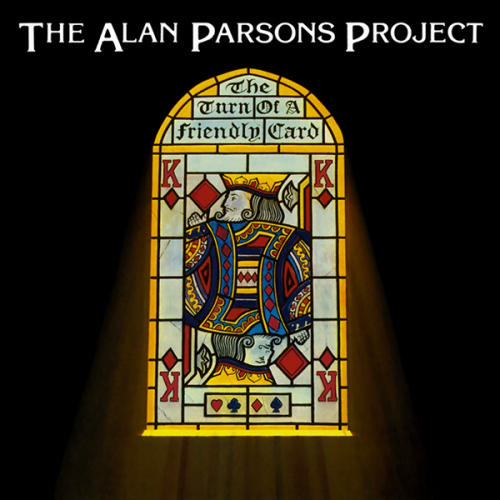
The Turn of A Friendly Card (The Alan Parsons Project, 1980)

This is the only actual suite in APP's discography, a 16 minute title track, divided into five movements, most of which could easily be considered as stand alone songs: "The Turn of A Friendly Card (Part One)", "Snake Eyes" (also released as a single in the USA), "The Ace of Swords", "Nothing Left to Lose" and finally "The Turn of A Friendly Card (Part Two)". It's a bombastic, diversified epic, whose sections easily follow one another, pleasantly changing the tempos and the moods. As you surely know, the lyrics are about compulsive gambling, also tracing a parallel between life and card games.


I  like each and every note from this album!

The main theme - featuring in the first and last parts - is one of the best melodies by Parsons/Woolfson, a majestic and airy one. "Snake Eyes" is a rock song with an evil twist, while the electronic instrumental third section is in the traditional APP's style. The fourth movement, "Nothing Left to Lose", sung by Eric Woolfson himself, is a stunning acoustic ballad, an intimate interlude I particularly appreciate, just before the final crescendo. This suite proves that pop and prog can get along very well as far as great composers are involved.