Monday, 30 November 2015

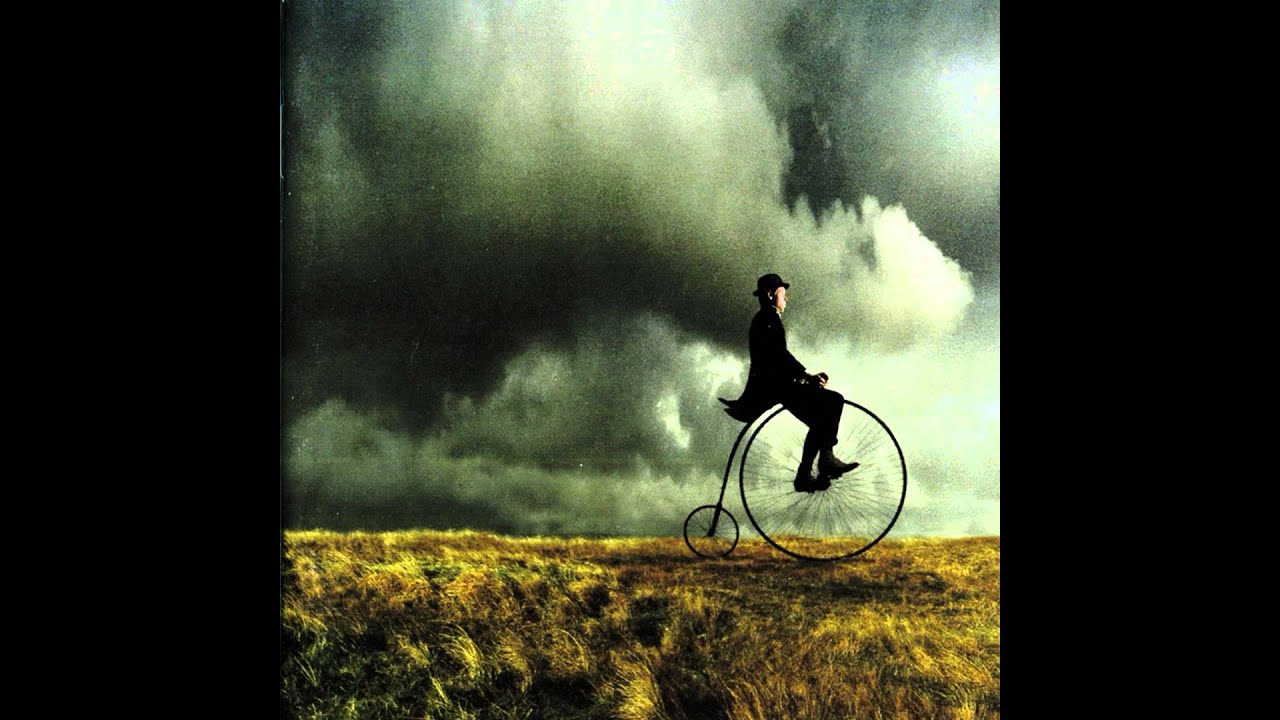
Origins / Under The Wheel / Mechanical Landscape I (Códice, 1999)

I won't say once again how many just-one-album bands I discovered and apreciated during the years, as you'll find most of them in my blog. Better spend my space here talking of Códice and their beautiful symphonic double CD titled "Alba y Ocaso" ("Dawn and Dusk" in English). It's a remarkable example of classically driven prog rock from Mexico, a Country featuring so many good and underrated bands.

"Alba y Ocaso" spans over some 2 hours of music.

Not only this track has got three titles, but it also belongs to a longer suite called Iconos that isn't listed ont the original CD. Actually, this triple-titled song is Heaven for any progfan: tempo changes, beautiful acoustic sections between electric ones, interesting plots and so on. Last but not least, these musicians know how to play very well. That's why I recommend to your attention the entire album.

Sunday, 29 November 2015

Umbría / Bajo la sombra y el sueño (Alameda, 1983)

The lushing "Rock Andaluz" had so many good bands and artists on the foreground that even a dedicated prog fan could neglect a good deal of excellent musicians. I'll try to skip such a risk with this very good song by Alameda, taken from the album "Noche Andaluza"(that's "Andalusian Night"). It's a two-song sequence including a dreamy spanish guitar intro (played by Paco de Lucia, one of the finest guitarists ever) and followed by a classic, epic example of symphonic "Andaluz"rock song.

"Noche andaluza" was the fourth studio album by Alameda.

This one is so well arranged and organised in its different parts that I'm always moved when I listen to it. José Roca sings it with his usual pathos and a clever keyboards / guitar plot turns the track into an actual progressive piece of music. That's why you don't need to be into Spanish traditional folk to appreciate this song.

Friday, 27 November 2015

Muscarin Madness (In The Labyrinth, 2002)

Multi-instrumentalist Peter Lindahl is the brain behind In The Labyrinth, a Swedish folk-prog oriented project that releases fairy and pleasant musical sketches like this "Muscarin Madness", coming from the album "Dryad". So perfectly Swedish, this song also has strong Eastern hints and - as usual with Lindahl - a good deal of different suggestions.

I also like the cover arts of this project's albums.

The sung part is a perfect folk ballad, preceded and enriched here and there by delicate and well played instrumental parts. It sounds like Bo Hansson or like some fairy songs by Jethro Tull, but featuring a perfectly up-to-date sound. This song proves that you can be inspired by ancient and fairy tales and release plain and down-to.earth songs with just a bonus magical atmosphere added. This is In The Labyrinth's secret, I think: sweet but never sweetish, prog but never pomp.

Thursday, 26 November 2015

The Hanging Tree (Arena, 1998)

"The Visitor" by Arena is an album I like very much and this song, "The Hanging Tree", perfectly represents its richly flavoured mood. It starts like an atmospheric ballad, then a thick and epic wall of sounds comes in like an approaching storm. Soon after a theatrical vocal passage, here you are a Floydian guitar solo, a pleasant return of the first sung theme, another wall of sound and a bombastic chorus, followed by the final guitar solo.

The 1998 line-up: Wrightson, Mitchell, Nolan, Jowitt & Pointer.

This flushing material is so well organised, so beautifully composed and arranged and so coherent that I used to listen compulsively to this song back in the late '90s and I still put it on from time to time. Probably because of its airy main theme, or maybe because of its dynamic pattern, I think this is one of the best achievements of a band that surely left (and still leaves) a deep mark in the story of neo-progressive genre. And I can but thank them for that.

Wednesday, 25 November 2015

Elsbereth [Lonely Queen] (Will-O-The-Wisp, 1999)

Will-O-The-Wisp come from Greece, but they sound so celtic, fairy and even proto-prog that you'd imagine them from Dublin or Edimburgh. Well, not at all: from the very heart of Mediterranean Sea, here you are magic and old fashioned keyboards, flutes and dreamy guitars. And also legendary queens, elves and all the little people court. This song comes from the self-titled debut album of the band and reminds me of old British bands like Cressida or Spring, with a thicker and more intricated sound to be honest.

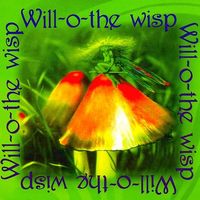
All was made to charm, even the cover art of the album...

This song sounds coherent and sincere in both its inspiration and its arrangement, flowing fluid and sparkling like a mountain stream. Let's say that having listened to them, I understand why they chose to be called after the will o' the wisp. Don't you agree they're bright and unseizable like an ignis fatuus?

Tuesday, 24 November 2015

Inter vivos (Quantum, 1983)

Back to Brazilian prog, I recommend you this instrumental track coming from Quantum's also instrumental self-titled debut album, released in 1983. It's a Camel-inspired work with the grace and the melodic charge of its model, but also with an original taste for rich and warm atmospheres. I'm grateful to Road Runner label for their re-issue of such a rare LP, virtually impossible to find outside Brazil.

The LP cover art. The band came back in 1994with !Quantum II".

These musicians surely knew how to change tempo and rythm as you'll see in the central section of "Inter vivos", when a lively giga comes in, adding a Genesis-like touch to the big picture. But likely the most interesting feature of this track is the constant and ever-changing interplay between Fernando Costa's keys and Reynaldo Rana Jr's guitars... that's what I call prog!

Monday, 23 November 2015

My Brother (Ivory, 1980)

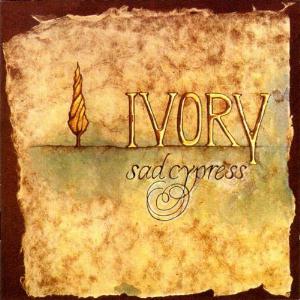
Ivory debuted on LP in 1980 with the album "Sad Cypress", a deeply symphonic-oriented work, including this excellent "My Brother". Some passages have a strong Genesis influence, but the sound of the song has its own taste, made of sweet touches and strong contrasts. Suspended between pure prog and a mild experimental trend, between electric waves and acoustic whispers, "My Brother" is worth the attention of all prog fans, like this entire debut LP.

Ivory came back in 1996 with different line-up and style.

You'll find some original instrumental parts, Gabiel-like vocals and of course a lot of keyboards (there were two keyboardists in Ivory's line-up) and tempo changes. This song and this record also are a precious testimony of the very difficult and delicate transition from the classic era of prog rock and the forthcoming neo-progressive renaissance. Another good reason to listen to Ivory, but surely not the only one.