Showing posts with label 1999. Show all posts

Tuesday, 31 January 2023

Il petalo del fiore (Greenwall, 1999)

 "Il petalo del fiore" (meaning "The Flower's Petal") is a na long suite (nearly 34 minutes) split into two tracks and six movements by the Italian act Greenwall, the brainchild of keyboard player Andrea Pavoni. It comes from the band's debut album and proves once more the equation prog = diverse, probably the only mathematics thing I perfectly understand. Keyboards are obviously the main course of this song, but if the piano driven sections are my favourite ones, I also like the way other instruments come in and draw a colourful fresco all around me. 

Mellow Records is responsible for this hidden prog jewel.

Fabio Nani's guitars are simply perfect here in both electric and acoustic moments, even where a dreamy mandolin comes in. I like the wide range of musical writing, spanning from well found (and so Italian) melodies to groovy, nearly spoken lines, not too far from the '70s singers-songwriters way. Furthermore, you'll find complex and symphonic parts along with ethereal, minimal phases. That's the perfect solution to the above equation.

Monday, 31 August 2020

The Guide (Ken's Novel, 1999)

Here you are a Belgian band dealing with neo-prog sounds with a highly dynamic twist. "The Guide" is the title track of Ken's Novel's debut abulm and also its opener (or Chapter 1, following the literary presentation of this CD's tracks). There are good themes, simple and effective melodies in an upbeat main structure that some beautiful atmosferic passages enrich on the emotional side. Bernard Piette's keyboards provide a perfect background  and also some thrilling energy throughout the song. 

Denis Bulon is responsible for this imposing artwork.

Eric Vanderbemden's  guitar graces this song with lively and sometimes heavy riffs, while Patrick Muermans not only sings it very well, but also sets up a creative drumming interwined to Geoffrey Leontiev's drizzling bass. I do like the rich mixture of sounds and words in "The Guide" and its good balance between polished neo-prog and good old progressive rock.

Wednesday, 22 June 2016

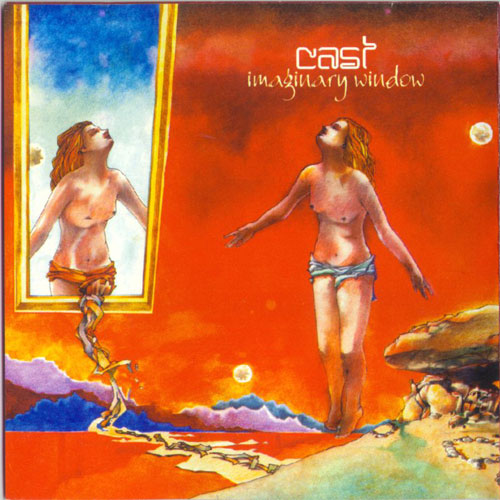
Moving Universe (Cast, 1999)

No doubt Cast are one of the best progressive rock acts from outside Europe (and even more than this). This song comes from the album "Imaginary Window" and begins with a gentle still lively intro, soon evolving into a Jethro Tull-like giga. The flute plays a central role in this song, even if, as usual with the band, all the instruments play as one and build up a full-bodied kind of sound.

"Imaginary Window" is  another pearl from the huge discography of Cast.
 
In fact, the rythm, the tempo and the leading instrument of "Moving Universe" constantly change, perfectly matching with the title. Francisco Hernandez and his electric guitar are brilliant, and so is the rythm section. The keyboards and flute interplays are among the highlights of this instrumental, so that I actually couldn't find a weak moment all along the song. This is prog rock at its best, a symphonic vertigo I recommend to you all.

Monday, 23 May 2016

Kings And Knights (Aether, 1999)

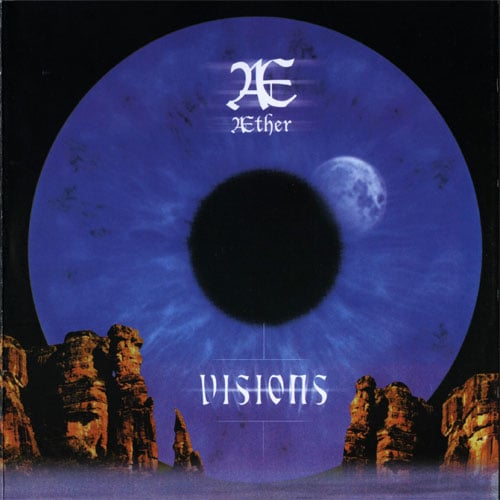
This Camel-inspired Brazilian band is worth our attention because of their melodic work and their excellent taste for tempo changes. This short instrumental comes from their debut album "Visiones", a concept based on German castles and also featuring a long suite that I don't put here because I found it rather erratic in both structure and inspiration. The shorter tracks, however, are very good and this one is full of visual descriptions and passionate guitars.

As this cover art will prove, Aether like atmospheric moods.
 
Andrew Latimer would be proud of Vinicius Brazil's work, but there is more than this. The way these musicians change the rythms preserving the fairy atmosphere of the song is also a highlight of "Kings And Knights" and of other tracks from the album as well. If you won't find many innovative choices here, you'll surely appreciate the warm and coherent mood of the track. A good reason to listen to Aether's music, IMHO.

Friday, 13 May 2016

Book Of Prophecies suite (Solaris, 1999)

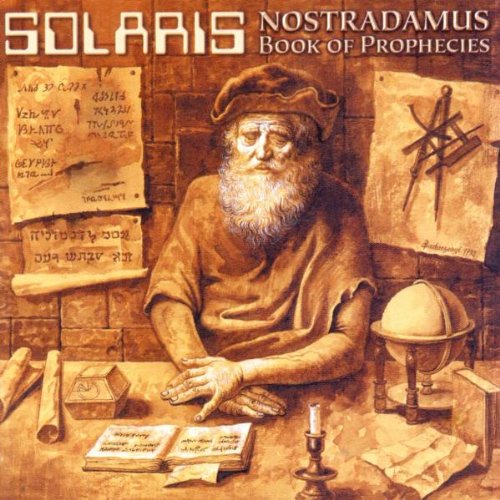
Solaris are usually known as the band of "Marsbéli krónikák" (or "The Martian Chronicles"), but these Hungarian musicians also wrote and released other excellent albums, among which I recommend "Nostradamus - Book of Prophecies" or, in Hungarian, "Nostradamus – A próféciák könyve". It features the "Book Of Prophecies suite, divided into three parts (Foreword, Birth of Visions and At the Gate of Eternity). The melodic structure of this 20 minutes track is rather plain, based on a main theme and a manifold series of variations.


"Nostradamus" was the third studio album by Solaris.


The general plot is that of a crescendo in both volume and complexity. The ethereal mood of the first movement develops into an almost symphonic arrangement. New musical elements  come in step by step and bring the track to a lush and even experimental finale. This avant-garde and tricky edge is another good reason to treasure "Book of Prophecies suite".

Friday, 8 January 2016

Gånglåt (Grovjobb, 1999)

Another interesting Swedish band. This "Gånglåt" (kind of a folk march), taken from the album "Vättarnas Fest", has a very original taste, an eclectic approach to prog and to folk I really appreciate. It's an instrumental track gradually growing up from the opening marching tune to a rich and exciting wall of sound, then going down tempo to an atmospheric and psychedelic passage and finally coming back to the main up tempo theme.

This was the second studio album by Grovjobb.

The complex and even dissonant sounds of "Gånglåt" surely reveal an experimental vision, but never go too far into it, so that this song isn't unpleasant or illegible to my (less than) average mind. A joyful energy sustains each second of this track and the vintage instruments are played in an unpredictable way, tracing a peculiar and intriguing musical path for Grovjobb. When I listen to this, I'm deeply convinced that prog rock has a long and exciting way to go through...ä

Monday, 30 November 2015

Origins / Under The Wheel / Mechanical Landscape I (Códice, 1999)

I won't say once again how many just-one-album bands I discovered and apreciated during the years, as you'll find most of them in my blog. Better spend my space here talking of Códice and their beautiful symphonic double CD titled "Alba y Ocaso" ("Dawn and Dusk" in English). It's a remarkable example of classically driven prog rock from Mexico, a Country featuring so many good and underrated bands.

"Alba y Ocaso" spans over some 2 hours of music.

Not only this track has got three titles, but it also belongs to a longer suite called Iconos that isn't listed ont the original CD. Actually, this triple-titled song is Heaven for any progfan: tempo changes, beautiful acoustic sections between electric ones, interesting plots and so on. Last but not least, these musicians know how to play very well. That's why I recommend to your attention the entire album.

Wednesday, 25 November 2015

Elsbereth [Lonely Queen] (Will-O-The-Wisp, 1999)

Will-O-The-Wisp come from Greece, but they sound so celtic, fairy and even proto-prog that you'd imagine them from Dublin or Edimburgh. Well, not at all: from the very heart of Mediterranean Sea, here you are magic and old fashioned keyboards, flutes and dreamy guitars. And also legendary queens, elves and all the little people court. This song comes from the self-titled debut album of the band and reminds me of old British bands like Cressida or Spring, with a thicker and more intricated sound to be honest.

All was made to charm, even the cover art of the album...

This song sounds coherent and sincere in both its inspiration and its arrangement, flowing fluid and sparkling like a mountain stream. Let's say that having listened to them, I understand why they chose to be called after the will o' the wisp. Don't you agree they're bright and unseizable like an ignis fatuus?

Wednesday, 4 November 2015

Spiral (Jethro Tull, 1999)

"J-Tull Dot Com" is unlikely to be among JT's best albums, but I surely like its opening track. "Spiral" is a rich and thick song (as a brick, I'd say...), based on a well found guitar riff, a rocky sung theme and a winding flute work. And I also like the slow tempo and somehow mysterious central section, one of the proggest passages of the 90s production of the band. It's a highly dynamic song, a mixture of energy and poetry that I can only call quintessential Jethro Tull.

This album was number 20 in Jethro Tull's studio discography.

And even if Ian Anderson's voice was less aggressive than in his best years, his flute and his songwriting were as good in 1999 as they were in 1971. The lyrics also contribute to the breathtaking final effect with their hurricane of sounds and colours. Nothing new, maybe, but still a beautiful song after more than 30 years of prog. Chapeau, Mr. Anderson & friends.

Saturday, 29 August 2015

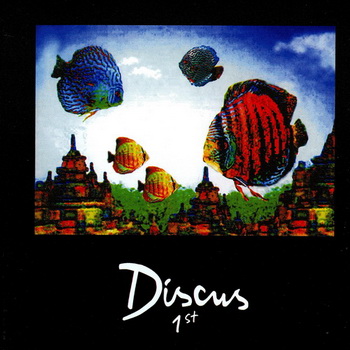
Contrasts (Discus, 1999)

Sometimes the title says it all. That's the case with this track, coming from the debut album of the Indonesian band Discus and closing it. This is a stunning - but never unpleasant - series of musical contrasts, actually. Some gentle flute-driven landscapes, jazzy breaks, electronic and experimental passages... you name it, you have them all (or almost all...). 

Discus debuted in 1999 for the Italian label Mellow Records.

The melodies - when there are melodies - are beautiful, the instruments are absolutely well played (especially the flute, the electric guitar and the keys), the rythmic section is highly creative... in short, this is I track I love. Of course, such an ordeal is not for all listeners, I mean you must like unusual things in order to fully appreciate this instrumental, but if you are into avant-garde prog, please, don't miss this pearl"

Monday, 27 July 2015

Virtual Reality (The Skys, 1999)

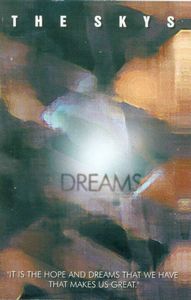
The Skys (sic) released their first full-length album only in 2004, but I decided to introduce here this fascinating "Virtual Reality" coming from a short cassette recorded in 1999 and rightfully titled "Dreams". These Lithuanian musicians like unusual arrangements and suspended moods, so this track is exactly what you need to enter their musical world. Please note this is not ambient nor post-rock: I think we could describe it as a highly descriptive and inner kind of prog, where everything is done to show the listener into a secret and somehow disquieting dimension.

The original cassette cover art.

All the imstruments are employed in a rarefied and arcane way, even the vocal theme is half-sung and half-said. The acoustic guitar and the sax add a warm touch to the song and the discreet, sliding keyboards back a heartbreaking piano. Emotions come out of this apparently bare musical box and directly reach my soul. Is it me or these Skys should deserve more attention outside their Country?

Monday, 20 April 2015

Hole (Anekdoten, 1999)

Anekdoten have always been fond of King Crimson's sound, but they've also been so clever to arrange their own style. This is definitely true with this song, "Hole", taken from the album "From Whitin". We find here some "Cadence and Cascade" relics, but also a splendid mix of Northern darkness, bright guitar riffs and updated walls of sound. Nicklas Berg's Mellotron is simply perfect, and the highly creative drumming by Peter Nordins gently supports the rest of the band's emboideries, always delicate and never sweetish.

"From Within" was Anekdoten's third studio album.

What I really like here is the way the band have to dig into their souls, following a fascinating and somewhat painful path. The long down tempo instrumental section filling the central part of the track is beathtaking to me, like glimpses of another world through thin, fluttering veils. Come and see yourselves...

Friday, 20 February 2015

La Bête du Gévaudan (Sens, 1999)

First of all, Sens and Saens are the same group, as this French band added an "e" to their name after their first release, the one this track comes from. That CD, "Les regrets d'Isidore D." ("Isidore D.'s Regrets", that's to say) is also the only one sung in French. "La Bête du Gévaudan" actually is the longest and more adventurous track from Sens' debut album, a progressive tour-de-force featuring a series of surprising contrasts. Intense, up tempo passages and deep, nocturnal parts, tricky rhythmic patterns and a rather theatrical voice are but a few of the things you'll find in this epic.

Sens / Saens are one of the most original French bands of their era.

Saens (I beg your pardon... Sens) surely aren't afraid to explore different genres and unexpected solutions, so this is an ever changing piece of music, even if it's also a fully enjoyable one. About the lyrics, now. The Gévaudan's Beast was a mysterious wild animal - most likely a very big wolf - that haunted the Southern France Region of Gévaudan between 1764 and 1767, causing one of the greatest colective huntings ever. A very good topic for a prog song, isn't it? Saens will find other ways in the following albums, but this song, IMHO, is a milestone in their career.

Wednesday, 31 December 2014

The River (Like Wendy, 1999)

So many prog artists were - and still are - fascinated by streaming waters. Like Wendy are no exception, and one of their best tracks is actually about a river. These two Dutch musicians, Bert Heinen and Marien, were dedicated followers of Marillion, Pendragon and, of course, Genesis. They released a few good albums between the late '90s and the early 2000s. This song is from "Rainchild", their second studio work and I really like its bright sound and the lead dreaming guitar, so full of body. Even moving, I daresay, floating in a mist of keyboards.

Like Wendy released six studio albums between 1998 and 2005.

You don't need to be original to create a good song and an old prog lover as I am. sometimes just needs a warm, familiar arrangement, some well played instruments and a good melody to restore his brain and body. This is exactly what Like Wendy and "The River" have in store for us. So, if you feel like opening the gates of a well known and cherished garden, please come in, close your eyes, and...

Friday, 19 September 2014

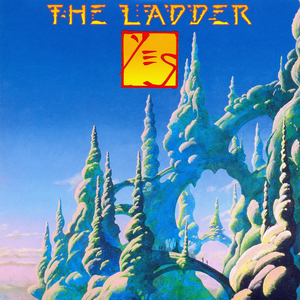
Homeworld (The Ladder) (Yes, 1999)

When Yes released "The Ladder" album in 1999, just a few of their fans really believed they could come back to their prog roots and offer as good a CD as this one proved to be. In fact, the opening track "Homeworld (The Ladder)" was like tumbling back the years and Jon Anderson's pure voice sounded better than ever. This song is a flowing stream of great prog rock, including time changes, instrumental interplays, choral passages, intricate rythms and good melodies.

One of my Roger Dean's favourite paintings ever.

Chris Squire's bass guitar doesn't need any comment, but Igor Khoroshev's keyboards were a big surprise for me: full bodied and creative, they're never too intrusive and so far better than in the previous "Open Your Eyes" album, where he played as a session man on three tracks. Also Billy Sherwood does very well here, both on electric and acoustic guitars. It was going to be a short-lasting lineup, but this is an everlasting song, IMHO.

Tuesday, 17 June 2014

The Distance to The Sun (Spock's Beard, 1999)

I confess "Day for Night" isn't my favourite album by Spock's Beard, not by far. But this ballad is one of their songs I constantly listen to and I still enjoy after so many years and so many listenings. This American band knows very, very well how to cook a plain song in a tasty prog sauce. A double vocal verse, an open wide chorus, a charming acoustic arrangement with light piano and guitar interplays, some original but direct lyrics and, last but not least, a dreaming finale.

"Day for Night" was the band's fourth studio album.

This recipe may seem very easy, but then why such enthralling ballads are so rare? Well, the reason is there aren't many composers like Neal Morse: he's got the gift of perfect tunes, fully enjoyable and still never trivial. That's why you can listen to "The Distance to The Sun" many times and never be bored by the song: a beautiful, evocative melody will always be fresh and brand new. A track like this one can even be part of your lifetime soundtrack, a discreet, inspirational, persistent part of it.

Tuesday, 11 February 2014

Signos en el cielo (Nexus, 1999)

This 11 minutes bombastic, symphonic track comes from Argtina and more exactly from "Detrás del umbral" ("Behind The Threshold", in English), the debut album of Nexus, a very interesting Buenos Aires based band. What I most like here is the wide range of musical solutions they adopt, including excellent keyboard effects and an effective rythm section. I also appreciate the strong and beautiful voice of Mariela González, actually fit for both delicate and heavy passages.

All is bombastic here, even the cover art...

Nexus are specially able to mix modern and vintage sounds, so that you'll find here electronic up to date effects and the good ol' Mellotron ones, distorted guitars and dreaming arpeggios, atmospheric moods and wild progressions. The lyrics in Spanish ("Signos en el cielo" means "Signs in The Sky", as you surely guessed) add something new to the big picture and there's a very good wall of sound in the most emphatic peaks of the song. Seems like the Giant Hogweed is back to strike its enemies.