Showing posts with label 1971. Show all posts

Thursday, 30 June 2022

Up to Me (Jethro Tull, 1971)

 When I think of a perfect prog ballad, full of true emotions and a wonderful melody, one of my first choices surely is "Up to Me", the closing track of the first side of Jethro Tull's "Aqualung". Even if the musical theme has a mellow and somehow folk flavour, there's an underlying tension all through the song, provided by Ian Anderson's powerful vocals and Martin Barre's guitar. 

Jethro Tull in the early Seventies.

Mostly acoustic as it is, "Up to Me" is a powerful, biting song, also graced by a beutiful flute riff. If you can put so many things in a three minute song... well, you're great. And of course that's what Jethro Tull are.

Monday, 29 October 2018

July Morning (Uriah Heep, 1971)

Uriah Heep surely are one of the most eclectic bands ever, spanning over a wide range of genres and sounds. That's why I can easily put one of their best songs in this prog blog. "July Morning" is a 10 minutes jewel from "Look at Yourself" album, featuring all the musical highlights of Huriah Heep. Let's see: a magical organ, a sweet ballad-like verse, a vocally perfect chorus, the legendary  keyboards / guitar final interplay, a lot of instrumental sections and beautiful changes. 

"Look at Yourself" came with a peculiar mirror cover...


The rock essence of "July Morning" keeps pace with its lyrical, dreamy inspiration, just the way a good prog song should do. Useless to say, all the members of the band are at their best and Manfred Mann appears as a guest adding his minimoog to such a rich palette. This song is just another reason to say how influential and even underrated Huriah Heep are.

Sunday, 1 January 2017

Someday (Laghonia, 1971)

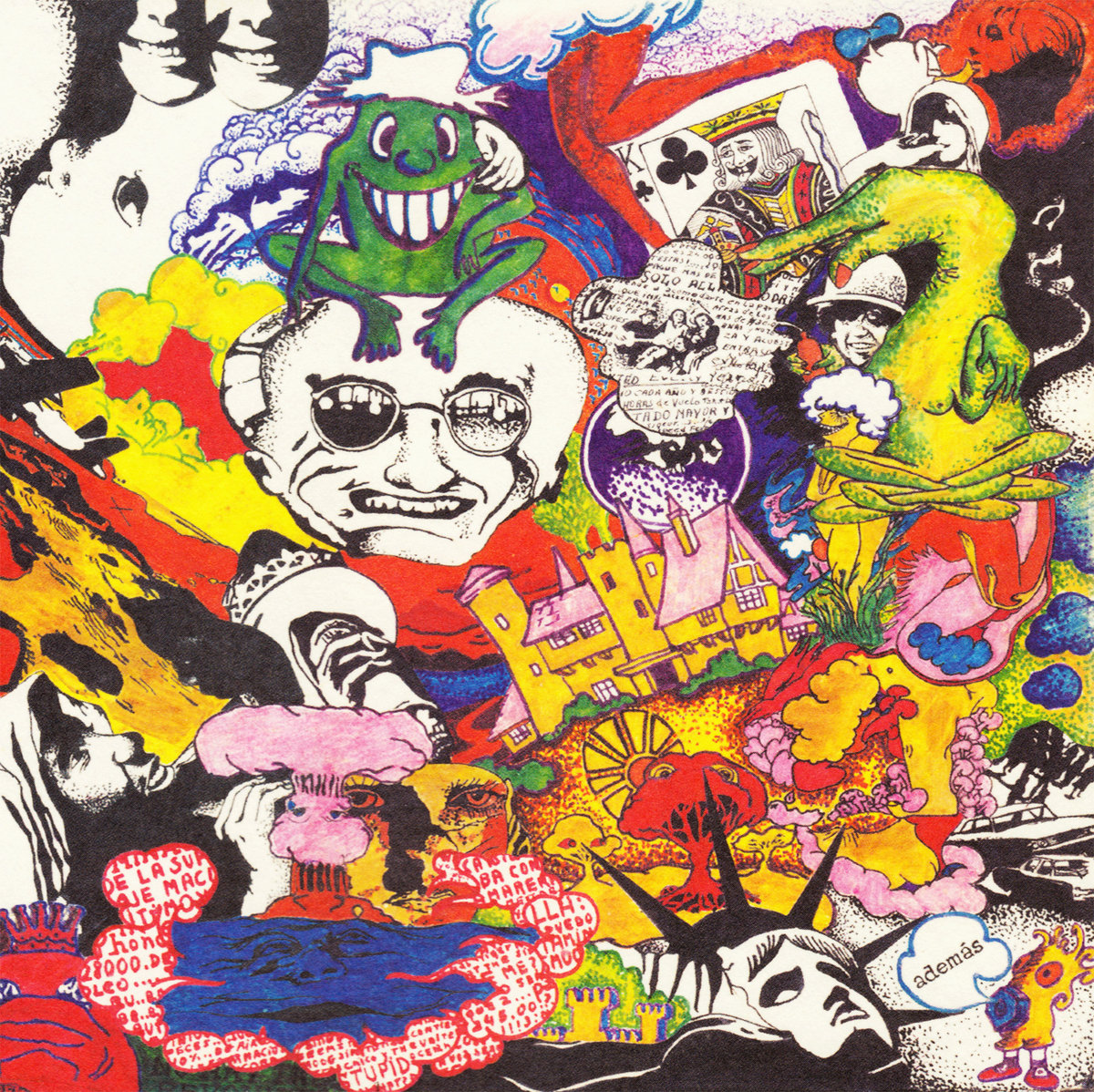
Here you are a proto-prog Peruvian band from the very early Seventies, a politically and musically difficult time for their Country.This "Someday" beautifully opens their second and last studio work, titled "Etcetera". A Hammond intro is followed by a lively rythm guitar and a catchy melody. Some well found changes and a series of instrumental bridges enrich this song's texture, so that a three minutes track actually features a whole changing world, ranging from the hippy generation to the search for new artistic dimensions.

Colourful I said... and colourful they actually were...

A colourful palette Laghonia know how to exploit and generously sprnkle all over their canvas. It's wonderful to see how widely the new musical deal circulated between the late Sixties and the early Seventies and how many different forms it took following the cultural scenes and the local traditions. Such a pity this band released both their albums in 1971 then called it a day...

Friday, 14 October 2016

Génesis (Vox Dei, 1971)

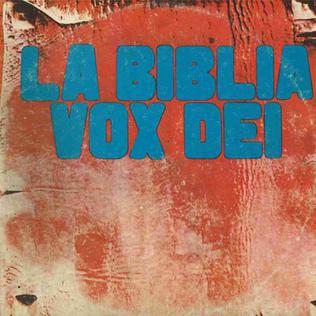
"Génesis" is the opening track of Vox Dei's first and likely best known album, titled "La Biblia" ("The Bible"), considered as the first Argentinian concept album ever. This band was founded in 1967 and started its discography in 1970, showing an eclectic approach to rock, a very prog attitude, I daresay. Multi-instrumentalist Ricardo Soulé is responsible for the lyrics and he was able to abridge the main books of the Bible into brief and effective stanzas, while the music - composed by the entire band - has a warm and melodic taste with some rocky moments.


"La Biblia" was the second studio album by Vox Dei.


"Génesis", in particular, features a beautiful bass guitar work and provides a soft and dense intro to the concept. Useless to say, the whole album deserves the progfans' attention, but "Génesis" is a very good way to get into Vox Dei's colourful and unpredictable world.

Thursday, 8 September 2016

Locomotive Breath (Jethro Tull, 1971)

I wonder why this song wasn't in my blog long before this post, but, well, now it is here. "Locomotive Breath" is a Jethro classic and a live favourite of them, including many musical elements linked to their blues side, but also a rich, unpredictable, diversified srtructure that sounds definitely prog. Ian Anderson's flute is of course the most impressive feature of the track, so impressive that one could forget all its other stunning virtues.

"Locomotive Breath" was also the B-side of "Hymn 43" single.
 
I won't, and I'm glad to remember the rythm section building up a devilish background, inspired by a locomotive's noise, Ian's strong vocal performance, the rough guitar riffs, and - last but not least - the piano, softly introducing the song, then providing its own cadence to the final section. And I won't forget the lyrics, comparing the unstoppable locomotive to human lives. Lives that can't be fully enjoyed, because the train won't stop going, no way to slow down...

Monday, 29 August 2016

Equatorial Rain (Ache, 1971)

Taken from the band's second album "Green Man", this "Equatorial Rain" combines Hammond-driven early prog and electronic effects in an arcane, rather dark song. The intro is based on rain effects and keyboards, while Torsten Olafsson's voice draws nocturnal landscapes. Then the tempo rises up and a Hammond plus drumming break comes in, introducing a lively, even joyous section à la The Nice. 


"Green Man" also exists on CD, including Ache's debut album.


Then, "Equatorial Rain" features some beautiful electric guitar / keboard interplays, just before the final reprise of the opening mysterious atmosphere. Seven minutes of beautiful progressive rock, IMHO, cleverly structured on a four movements pattern, a coherent and diversified architecture showing once again how great Ache were. They're surely worth a wider attention from my progressive friends over there.

Sunday, 5 June 2016

Cross-Eyed Mary (JethroTull, 1971)

One of the most iconic prog songs ever, "Cross-Eyed Mary", stands as a big favourite of all Jethro Tull fans. From the misty intro, down through the rocky main theme, the electric guitar solo and until the theatrical finale, this is quintessential Jethro sound. Energetic and diversified in both rythm and tempo, this is a perfect example of lively, enthralling and earthy progressive rock, the way Ian Anderson & friends know too well. The syncopated bridge between the intro and the first verse is simply perfect, ans so is the short and effective double solo (flute, then guitar).

Ian, Aqualung and Mary. Three of a perfect pair....

I won't forget the piano touches here and there, sharp and precise. Just a couple of words about the lyrics, describing a young and somehow liberal London prostitute granting her graces to beggars and poor men, including our old friend Aqualung. This Robin Hood of Highgate is another amazing character from Ian Anderson's manifold sketchbook.

Sunday, 1 May 2016

My Song (The Moody Blues, 1971)

Taken from the album "Every Good Boy Deserves Favour" (an usual reminder for EGBDF musical scale) this song starts like an average MB's ballad, then it takes a different turn, featuring a charming orchestra-like instrumental part, both magic and epic. When the vocals come back, they perfectly match with the fairy mood of the song that slowly fades away.

I think this cover art is perfect for "My Song".

Mini-moog, Mellotron, acoustic guitar and flute together aren't an usual solution, but then Moody Blues always skip trivial arrangements and explore new ways. A beautiful attempt to reach visions through music, an epic and peaceful little world into one song... this is "My Song"! And it's also a way into this band's unique and so British atmosphere. That's why you'll find more about them in my blog.

Monday, 7 March 2016

The Sideways Saga (Spectrum, 1971)

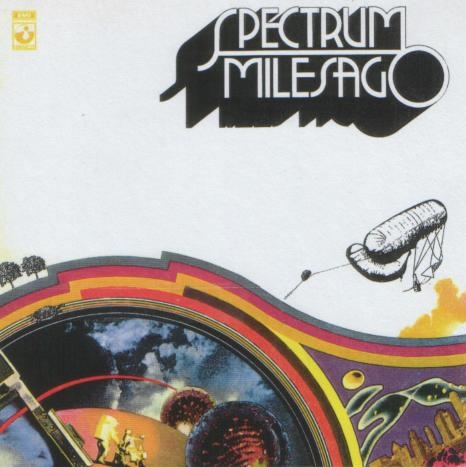
This early progressive suite by Australian-based (but with a NZ frontman) band Spectrum is taken from the album "Milesago" and is worth a short introduction. The track is divided into four parts, each one with its own title: The Question, The Answer, Do The Crab and Everybody's Walking Sideways. The first one is a Beatles-like sung section, while the second and third ones are keyboard-driven instrumentals also feturing interesting interplays with an acid electric guitar. The final part resumes the opening theme, but this time it sounds like a Procol Harum ballad.

"Milesago" was released on CD by Aztec Music label in 2008.

The whole track has the smoky flavour of the proto-prog era and also the salty taste of a new musical adventure, as it surely was in the Australian rock scene of 1971. Actually, the whole album is kind of an experiment: not only it's the first double album in Aussie rock discography, but it also features a series of technical new devices (for Oceania at least), like new recording soundboards and extensive distortions. All in all, "The Sideways Saga" will prove how powerful and creative Spedtrum were at the beginning of their career.

Thursday, 25 February 2016

L'Ultima Ora e Ode a J. Hendrix (The Trip, 1971)

The Trip were (better: are, as they came back in 2010) one of the most intriguing Italian prog rock bands and released a pair of excellent albums, one of which was titled "Caronte", that's to say Charon, the ferryman that in Greek mythology carries the newly deceased's souls across the rivers dividing the world of the living and the other world. The title of this song includes anothere reference to death, as "L'ultima ora" means "The Last Hour", while the rest of the song title obviously pays tribute to Jimi Hendrix. 

"Caronte" was the second studio album by The Trip.

This epic has a strong classical taste, but also features soul elements and quotes some Jimi's passages. That said, the plot of this song is well organized and highly diversified, lining up dark atmospheres, guitar solos and lively interplays. The melodies are very well written and the arrangements provide the final touch. A church organ closes it all... and it surely matches with the theme!

Saturday, 26 December 2015

After The Day (Barclay James Harvest, 1971)

One of the best songs by BJH from one of their most celebrated albums. "Barclay James Harvest ...And Other Short Stories" has a strong progressive flavour and - as always with this band - an excellent melodic texture. This "After The Day", written by John Lees, is a pastoral ballad with a dreamy instrumental coda, the kind of track BJH is famous for... and a perfect closing song for the album. 

"...And Other Short Stories" was the third studio album by BJH.

Its intro sounds like an early King Crimson track, while the sung section keeps a Seventies atmosphere, somewhere between The Beatles and The Kinks. But, of course, this is just fully BJH-styled music, graced by a slightly acid guitar and powerful apocalyptic lyrics. Even if the band were going to become far more popular during the following years, this was their most creative and unpredictable era, IMHO.

Sunday, 1 November 2015

Magic Flower (Triode, 1971)

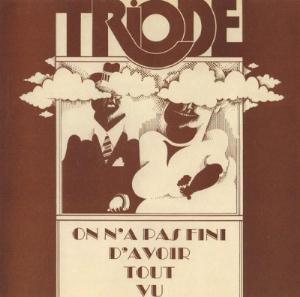
"On n'a pas fini d'avoir tout vu" (something like "We're still going to be surprised" in English) is a colourful album in the wake of the psych and proto-prog bands of the early '70s. But Triode also had a strong jazzy and bluesy soul, so that the final mix is a very original one, as this opening track proves well. It's an instrumental based on the rythm section and the flute and exploiting a simple and effective  bass guitar arpeggio on which Michel Edelin plays his flute on both the angelic and devilish tones.

Luckily, Mellow Records released a CD version of this album.


"Magic Flower" is a perfect example of what a good band can do when creating free variations and apparent improvisations on a well performed rythmic idea. Especially when they also know how to add on some good and nostalgic moments. Unfortunately, this foursome Parisian group disbanded soon after their debut studio work. But of course, their music's still alive.

Friday, 9 October 2015

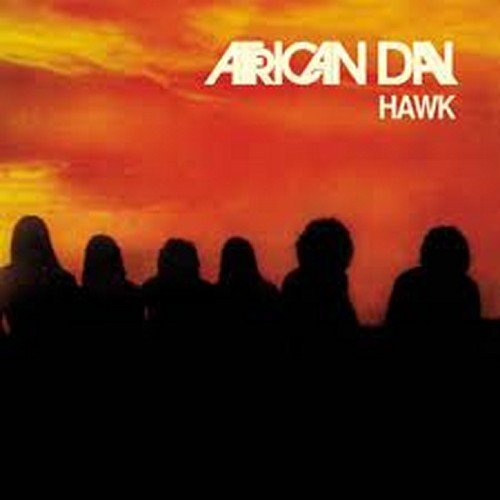
African Day (Hawk, 1971)

This long epic is a treat for my ears. Coming from South Africa, it's the most important track by Hawk, one of the many bands that didn't reach a well deserved international recognition becouse of the long period of isolation their Country went through. "African Day" is the title track and the opening song of the band's debut work and is the musical depiction of a day in the Black Continent,drawing a series of vivid scenes.

After this debut album, Hawk released a second work then disbanded.

It's a fine example of what some reviewers used to call afro-rock, or more simply folk-prog. How many good harmonies, what a beautiful flute... not to mention the ethnic rythms! This epic transforms the sun, the trees, the animals, the human beings in musical sketches, changing tempos and pleasant melodies. And what's even more surprising, the band melted a great deal of different genres and moods to create a coherent and convincing suite. Too bad they didn't have a longer career!

Saturday, 16 May 2015

The Return of The Giant Hogweed (Genesis, 1971)

One of the weirdest songs by Genesis and one of the most fascinating ones too, IMHO. Being a "big classic" of prog rock, I won't produce here a detailed description (well, I couldn't anyway), but I can't avoid some personal observations. The entire song is full of pure prog energy, packed of a special kind of sparkling, juvenile, dynamic fury. The sci-fi theme (a rather scary strory about a killer plant, reminiscent I think of John Wyndh'am triffids) creates a claustrophobic atmosphere, increased by a series of crescendos and quick tempos.

This is the invading species of "Heracleum" that inspired the song.

The only break in such a rush is when the electric piano comes in or when it comes to a musical depiction of the most British country gentleman, but even then you'll feel a sharp tension, an impending-danger mood that rules the music. Useless to say, the themes, the solos and the interplays are very well found, maybe a little rough, but that's exactly what you need to describe a deadly struggle. I heard many people say that a song like this explains why Genesis are a world apart in the progressive universe. I bet they're right.

Monday, 1 December 2014

Starship Trooper (Yes, 1971)

Taken from "The Yes Album", this song has everything - and more - to be considered as an all time prog rock classic. Set up like a suite in three movements (Life Seeker, Disillusion and Würm), the song is inspired by a Robert Heinlein's SF novel published in 1959 that also won the Hugo award. Mainly written by Jon Anderson and Chris Squire, this actually is a collective song, graced by the skills and the ideas of the whole band. The rock background is enthralling, strong, even whimsical, following the band's habits. I daresay the best feature in this track is the ever changing tempo, something we also see in mood and style.


The "Life Seeker" section of this suitealso was released
as the B-side of "I've Seen All Good People" 7" single.


Nonetheless, the listener perceives (well, at least I perceive) kind of a crescendo, leading to the last, bombastic section. I also think this is one of the best examples of interaction between lyrics and music, both concurring to the final, deliciously intricated effect. And in the middle of this whirling sounds, there you are some of the most beautiful and homesick Anderson's lines:


Speak to me of summer, long winters longer than time can remember,
Setting up of other roads, travel on in old accustomed ways.
I still remember the talks by the water, the proud sons and daughters that,
In the knowledge of the land, spoke to me in sweet accustomed ways.

Friday, 31 October 2014

Nine Feet Underground (Caravan, 1971)

If I had to single out one track as the most representative one of the so called Canterbury Sound, I'd likely choose this one, taken from the masterpiece album "In The Land of Grey And Pink". Mind you, this isn't just because it is a long eight-part suitre (and anyone knows I like suites), no, it's the lush, eclectic, warming and brilliant architecture of this song that always captures my attention. Take those gentle and slightly jazz keyboards, for example. They seem to come from a distance, maybe from nine feet underground, and still they are so neat and strong that each time I listen to them, I'd ask for more.

Caravan during the early '70s. Canterbury rules.

The rare sung sections are somewhat linked to the beat-blues era and the choral harmonies always come in to add a '70s smell to these vocal flowers. And the guitars are rich ,nd flushing. Now a special mention for the tempo changes. These ones are particularly dynamic during the central sections, including some supernatural effects - the scary "Make it 76" - and an assortment of keyboard and guitar solos. I don't need to recommend such a famous track, of course, perhaps I can suggest one more listening... just in case.

Thursday, 18 September 2014

Beautiful Seven (Osibisa, 1971)

Osibisa is probably the only worldwide famous prog band from Central Africa. Their clever fusion of jazz, african rythm, psychedelia and art rock is brilliant and in this song, taken from their second album "Woyaya", you'll also appreciate their choral arrangements. It's a twisted kind of ethnic rock, with so many influuences and still perfectly African in its moods.

 
...And with a logo and a cover art by Roger Dean, too!
 
Sure, the flute sections and the rythmic changes are linked to the European '70s era, and the wonderful piano touches are pure fusion to me, but there are so many special features coming from the band's culture and their Country that you are magically transported over the green rain forests and the yellow savannahs. This is particularly true when Osibisa's unpredictable drumming comes in, with all the fantasy and the bright colours you can imagine. A splendid trip... so sad there aren't many bands like this one out there!

Sunday, 14 September 2014

Mocking Bird (Barclay James Harvest, 1971)

A mellow song, if ever there was one. And one of the most beautiful pastoral tracks I've listened to. Due to its huge popularity I don't need to describe "Mocking Bird" in details (and I couldn't as I'm not into musical composition), but I have to say how much this song affects my inner feelings. It seems to me that BJH found a perfect balance between intimate and majestic sounds and perfectly mastered the choral arrangements, creating a half-light atmosphere, full of connections to the natural world and to the emotional side.


This song comes from BJH's second album "Once Again".

The orchestral addictions aren't too invasive and the band's instruments stay in the foreground, except for the final instrumental section. Of course, this song is pure melody and if you're looking for art rock or avant-garde music, this isn't your cup of tea. Let the tender hearts come in and sip this nectar directly from its flower. After all, BJH's symbol is a butterfly, if I remember well...

Sunday, 6 July 2014

Seasons of Change (Blackfeather, 1971)

If you feel like redescovering the proto-prog thick, naive and powerful taste, this song is for you. It comes from the Australian band Blackfeather, more precisely from their first album titled "At The Mountains of Madness". This track was a good hit in their native Country and also has a rather strange story: The band wrote it during the album sessions, then passed it out to a friend band called Fraternity, under the agreement Blackfeather wouldn't released it in their turn.


Blackfeather only released two studio albums in their career.
 

But Fraternity's version of the song proved to be a huge hit and our band broke their promise, quickly recorded the track for the album and even released it as a single that overran Fraternity's version. The reason of this double success probably rests on the catchy melody, but also on the vaguely folk rock arrangement Fraternity suggested and Blackfeather fully adopted. A plunge in a gone but not forgotten sound that's like a sparkling morning breeze to me.

Thursday, 26 June 2014

Tarkus (Emerson, Lake & Palmer, 1971)

Considered as the quintessence of prog, in both positive and negative senses, the suite "Tarkus", filling the A side of the second ELP's album, is one of those tracks a prog fan must face sooner or later. I did it sooner and I was deceived, then I came back later and I loved it. Propbably you need to be in the right mood to accept the tricky arrangements, the virtuosities and the improbable lyrics about the armadillo-tank Tarkus: his Birth from a volcano, his battles against three monsters and the final mutation in an Aquatarkus. But if you dare to play this track's intro, you'll likely listen to it until its last note.

This is Tarkus as imagined by the painter William Neal. 

And you'll be right: this suite is a magic well full of ideas, musical inventions and, most of all, free rock music. I mean it: ELP and this track represent the freedom and the curiosity prog rock was born for. Take Greg Lake's unexpected acid guitar, or Keith Emerson's organ progressions and strange keyboard effects, or the broken march tempos Carl Palmer conjures up. Musical materials enough for a dozen albums, I daresay. And not even a second of rest. Be brave and face such a musical adventure!