Friday, 30 May 2014

Stuff And Nonsense (Split Enz, 1979)

Split Enz are one of the very few prog related bands from New Zealand. They were a very eclectic group, playing almost everything: pop, mainstream rock, new wave, art rock and, of course, an easy-going version of progressive rock. This song, taken from the album "Frenzy", is a good specimen of the latter. It sounds a little like Supertramp meet Bee Gees, but the orchestral side here is more discreet and the melody is sadder. A short instrumental bridge, anyway, gives a deeper touch to what we could call an easy song with a special feeling.
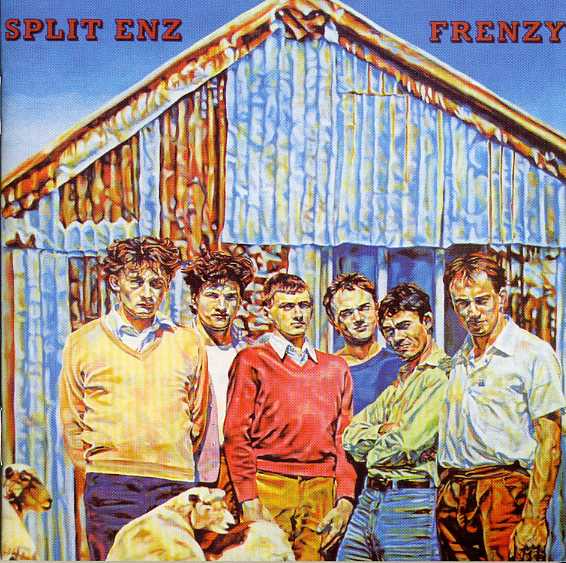
"Frenzy" was probably the last prog related album by Split Enz.

The sung theme is excellent, the piano touches are classy, the vocals are warm and neat, the way they used to be in the '70s, not too far from BJH or The Moody Blues. I really like to put in my CD reader a good, old plain song between two challenging prog tracks, and "Stuff And Nonsense" is exactly what I mean. Even the title seems to suggest a traditional, catchy tune. But if you listen to this more than one time, I bet you'll find some more stuff in it...

Thursday, 29 May 2014

Traum (Hoelderlin, 1972)

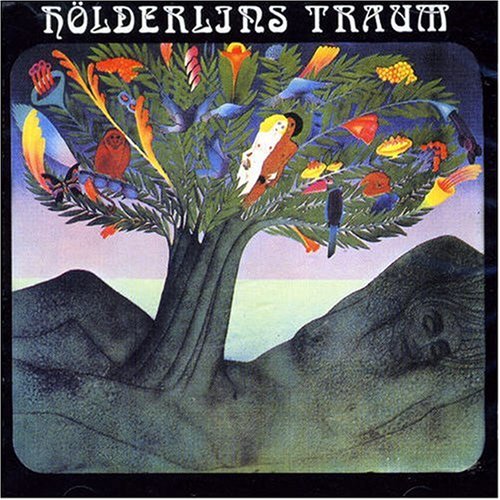
No doubt, Hoelderlin (also written Hölderlin in their first album) are one of the most interesting German prog bands of the Golden era. Their tasty folk inspiration and the romantic aura of their compositions are very strong points and they also had a creative and unpredictable approach to music. The instrumental "Traum" (that's "Dream" in English) comes from debut album "Hölderlins Traum" and it's a 7 minutes track featuring all sorts of magic tools and inspiring solutions.

Hoelderlin also reunited in 2007 to release the album "8".

The acoustic instruments (guitars and flute, above all) and the discreet electric ones are supported by a colourful set of percussions, while the rythms and the moods change and swing all the time. The band's name come from a German poet of the Romantic movement (as for the band Novalis) and actually the deep interest for cultural roots and free inspiration reminds me some Sturm und Drang's  experiments, but "Traum" also proves how this band liked to mix different sources and moods to create something new.

Wednesday, 28 May 2014

Subdivisions (Rush, 1982)

This song opens "Signals", the album Rush released in 1982 and it's one of the band's more captivating tracks, also released as a single. The strongest point in it is the very well found melody Geddy Lee sings with his usual strength. But the arrangement, including some very interesting instrumental sections, adds an additional value to the big picture. The airy guitar riffs - a trademark of Rush sound - are less commen here and you'll find instead a constant presence of keyboards, providing kind of a plastic and claustrophobic background to the song. Nonetheless, the double keys then guitar solo toward the end of the track is tipically Rush and gives to "Subdivisions" a slightly optimistic touch. The lyrics are about the rigid rules and limited sense of communion in modern urban life, well represented by housing subdivisions, so common in our suburbs.

"Signals" was the ninth studio album of Rush.

The band depicts such a pityful but comfortable lifestyle adopting a stressing rythm and some electronic effects. They describe youth's life in those geometric boundaries with strong accents. Here you are:

Growing up it all seems so one-sided
Opinions all provided
The future pre-decided
Detached and subdivided
In the mass production zone

Nowhere is the dreamer
Or the misfit so alone
 
And prog is for the dreamer, isn't it?

Tuesday, 27 May 2014

My Room (Waiting for Wonderland) (Van Der Graaf Generator, 1976)

Taken from "StillLife", the album released in 1976 by VDGG, "My Room (Waiting for Wonderland)" is a stunning, heartbreaking song, at least IMHO. Peter Hammill's vocals are even more sensitive and sadder than usual, performing on a deep tone a splendid, sweet theme. His voice is constantly doubled and supported by David Jackson's sax and Guy Evans' gentle drumming. In the long instrumental finale the main theme is still there, played by Hugh Banton on bass guitar, the rest of the band creating a Smoky, free arabesque around it, not to mention the discreet piano touches.

"Still Life" isn't an easy album to listen to. But then, a VDGG's LP never is...

The whole track is a dark, deep meditation on life and (waste of) time, melting languid abandon and sadness in a coherent composition. One of the best melodies even written by the band, one of their most enjoyable songs, one of the sweetest and gloomiest  musical journeys a poor prog fan can experience.

Monday, 26 May 2014

Beyond, Within (Glass Hammer, 2010)

The more Glass Hammer went on in their career, the more they were Yes-oriented in their music. The album "If" could easily be a Yes' outtakes collection, but please take my opinion in its positive sense. This "Beyond, Within", the opening song of the album, for example, is an excellent song, both structurally unpredictable and rhytmically dynamic. All is "Yes" here, sure, but never a bare replica of the band's most important model. Take Jon Davison's voice: it surely sounds a lot like Jon Anderson's (and he subsequently won the biggest prize to be the third lead singer of Yes), but it also has its own character, more stingy and jazzy than Jon's, maybe more dynamic and certainly less heavenly.

 
"If" was Glass Hammer's eleventh studio album.

The track is perfectly balanced in its fast and slow moments and the band plays in admirable harmony, always giving to each instrument its own and well deserved space. Last but not least, the sung and instrumental themes are very, very good ones, and this is one of the best reasons to buy a record, after all.

Sunday, 25 May 2014

To Die in Avalon (Galadriel, 1988)

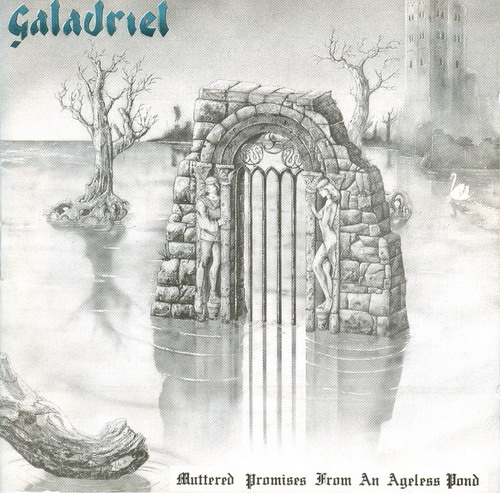
I've rarely listened to a more sophisticated prog song than this one. Full on shadows and light flashes, it's a classically inspired 10 minutes track taken from "Muttered Promises from An Ageless Pond", Galadriel's debut album. The piano and the vocals are the main characters of this musical romance, but the whole band is there to charm and disquiet the listener. Nothing is trivial in "To Die in Avalon" (maybe just the title is...), certainly not the slightly dissonant piano solo, nor the mystical sung sections.

The cover art is as liquid and disquieting as the music inside.

Definitely, this Spanish fivesome try to create something new. And this is not a minor virtue and surely it wasn't during the '80s. This music is like a spiritual wave, coming in and out from a distant sea. Galadriel succeed in being both innovative and pleasant, uncompromising and never boring. If you feel like exploring the inner side of yourself, you might try this...

Saturday, 24 May 2014

La cour des miracles (Cafeïne, 1994)

Here you are a traditionally built up prog rock, with a bonus Medieval scent. It's a rather long track (more than eleven minutes), taken from the French band's debut album called "La Citadelle". It all starts with a plain sung theme and some electric guitar riffs, then the track develops in a more interesting and adventurous rhapsody, featuring clever tempo changes and long instrumental sections, where Patrick Jobard's extra-prog dreaming guitar and a profusion of keyboard effects provided by Christophe Houssin draw the crowded underground world of a wretches' refuge.

A Gustave Doré's drawing representing a court of the miracles.

It's the so called "court of miracles" the title suggests, probably under the influence of Victor Hugo's novel Notre-Dame de Paris. Philippe Ladousse's strong and pure voice finishes this charming picture, so full of feeling and invention that I surely rercommend to all the prog fans out there.