Showing posts with label 1995. Show all posts

Saturday, 30 July 2016

Sleepers (Galahad, 1995)

No doubt, this is an excellent example of British neo-progressive rock and one of the best songs by Galahad. It has all the features a fan of this band and this genre would like to find: syncopated rythms, tempo changes, melodic (even classical) interludes, lively progressions... just name it yourself. The sung sections are pleasant too, and all the musicians here know how to play, avoiding any show off temptations. The sound is surprisingly modern and still reminiscent of the long tradition of prog.

"Sleepers" was the third official CD by Galahad.

Many bands divide their production into two different streams: a series of tricky, long and intricated tracks - that's for the progfans, of course - and some easier, poppish songs for the rest of humanity. Well, also Galahad can do so, but this is a "one size fits all" song, rather easy to catch and still featuring an elaborate stucture. That's exactly what neo-prog should be: not for the masses, nor for the intellectual elite. Galahad know how to keep the musical middle road...

Friday, 1 July 2016

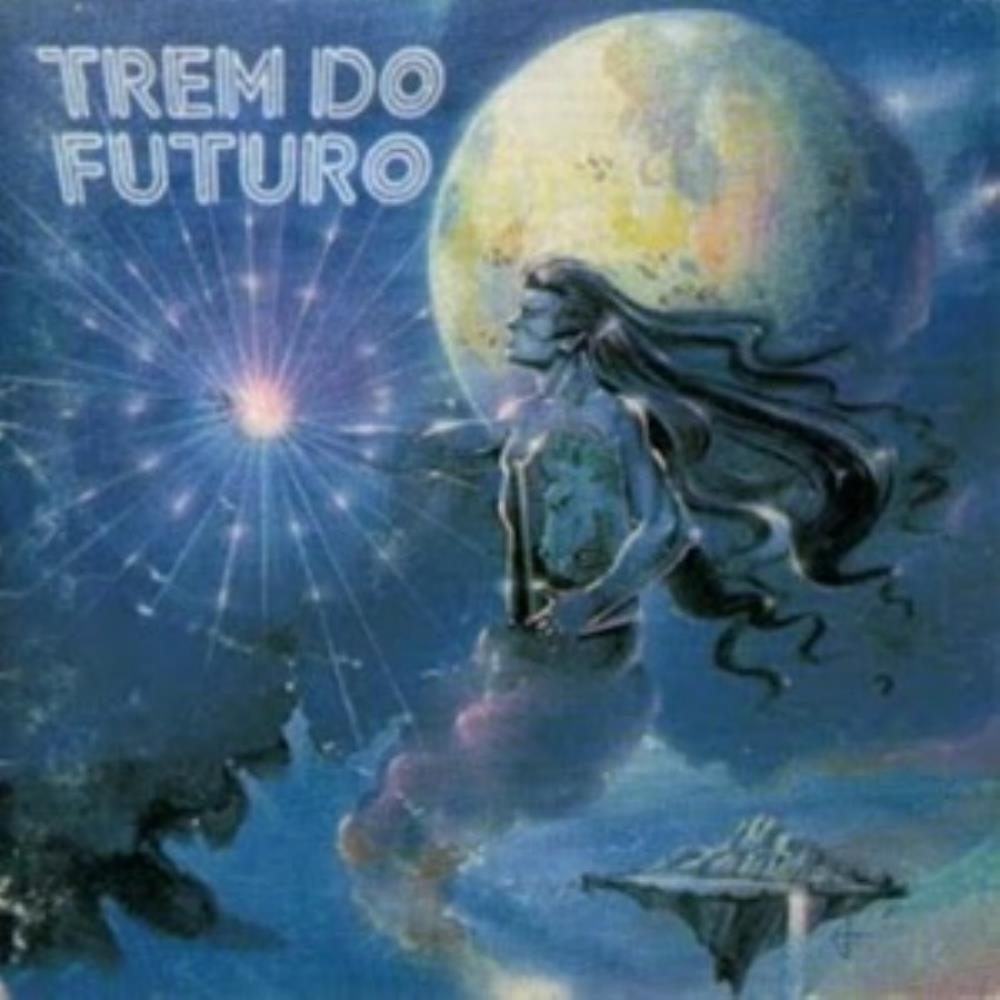
Vagão 1 - Réquiem da louca (Trem do futuro, 1995)

I know this track by Brazilian band Trem do futuro won't meet my most adventurous friends' expectations, but I like some vintage and even derivative tracks now and then. In this case, I actually appreciate the dynamic texture of the music and the good changes in tempo and instruments. For example, what can I say of the flute and the electric guitar? Both are so well nestled into the electronic background and so naturally exploited!

"Trem do futuro" was the debut album by this interesting band.

The vocals also come in at the right time, singing a very well found theme and taking advantage of the double voice (masculine and feminine) line up. A lively and easy kind of prog with that special sunny touch I often find in Southern American groups. Just a final ramark: a better production should have been useful to this song and to the entire self-titled album. That said, this is a joyful and passionate way to keep on proggin'...

Wednesday, 6 April 2016

Lugu (Mess, 1995)

First things first: Mess is just the name Sven Grünberg, a talented Estonian composer and performer, chose to release in 1995 a selection of his old recordings, actually dating fron the late '70s. So, the title of tis post is twice misleading, but I hope you'll forgive me. I love this track, called "Lugu" (that's to say "Story") and almost all the other tracks in the above mentioned compilation album, "Sven Grünberg's Proge Rock Group Mess".

An excellent album and a precious document for prog history.

It's an acid, even sharp instrumental, somewhere between space rock and prog. It takes me away, so far away from the mundane life, in a tridimensional, shining world, both relaxing and exciting. Please don't forget such a track was created in the Soviet Union cold war era, not exactly the most hospitable place and time for experimental rock. Another good reason to listen and appreciate this brilliant piece of music and to discover its author.

Thursday, 28 January 2016

A Change of Seasons (Dream Theater, 1995)

This suite is also the title track of the first EP released by Dream Theater. Sure, it sounds strange that an EP should last more that 50 minutes, but after all the track I'm introducing here is the only new composition of the CD, also including four beautiful cover versions ranging from Elton John to Genesis. And Genesis surely are among the main influences of this suite, lining up seven movements and a great deal of changes in mood, tempo and even genre. 

"A Change of Seasons" can be considered as one of DT's best records.

As "A Change of Seasons" was the first DT's song featuring Derek Sherinian on keyboards, his contribution is remarkable and somehow singles out this song, even if most of the music was composed long before his joining the band. The classically prog passages are cleverly mixed with metal-prog parts (not too hard, that's to say), atmospheric moments and also some charming acoustic parts. As usual, the melodies are first rate and the lyrics deal with the seasons of life, a reflection inspired to Portnoy by his mother's death. An excellent epic, a higly recommended piece of progressive rock.

Tuesday, 1 December 2015

Inner Garden Part I + Part II (King Crimson, 1995)

"Inner Garden" is the title of two very short songs King Crimson included in the album "Thrak". As I couldn't decide which one to post here, and as they are strictly linked, I put both in my collection. Many reviewers wrote that this (double) song proves how you can create a prog pearl having a very short duration time. Likely this is not the only evidence of that, but this music has got the special magic of King Crimson's dreamy songs, just like a "Starless" concentrate or an "Islands" abstract.

"Thrak" was the eleventh studio album by King Crimson.

Fripp's fairy sounds and Belew's suspended, almost immaterial vocals are a true emotional experience, an addicting one, I daresay. Adrian is also responsible for the lyrics describing a deep and reasonless sadness, reminding me of some morn and beautiful poems by Paul Verlaine. Fascinating, that's the word.

Tuesday, 27 October 2015

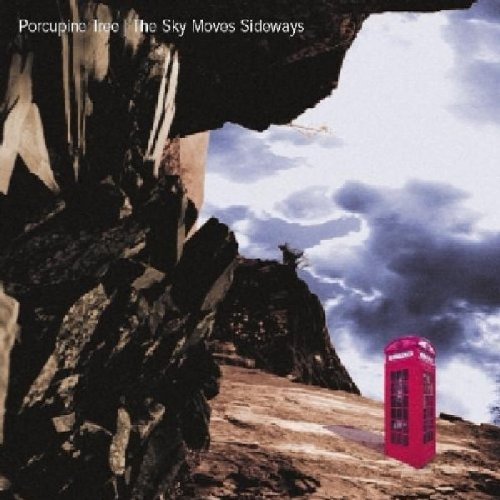
The Sky Moves Sideways Phase 1 (Porcupine Tree, 1995)

This four-parts suite belongs to the early and more Floydian PT's production and opens their third album in a spacey and atmospheric way I definitely like. The influence of "Shine on You Crazy Diamond" is patent, still there is a more electronic approach and a very eclectic architecture. The intro, titled "The Colour of Air", is a synth-based section building up a deep, introspective atmosphere à la Rick Wright. When the guitar comes in, the Foydian painting shines in all its glory. But the following parts enrich this background with flushing and diversified touches, ranging from acoustic ballads to energic rock and getting more original.

There are three different CD releases of this album, the last one 
(2004) includimg some interesting bonus tracks. 

This is also one of the best vocal performances by Steven Wilson, deep and effective, a good collection of evocative chords  and - last but not least - a brilliant essay of well assorted soft and loud moments. There is also a second part of this suite at the end of the album, but I think this one is the strongest one by far and can also be considered as a stand alone track. Probably "The Sky Moves Sideways" is where Porcupine Tree's legend was born.

Sunday, 18 October 2015

The Light (Spock's Beard, 1995)

This suite is the title track from the first album by Spock's Beard and still is, IMHO, one of their best songs. Divided into eight parts, "The Light" is a succession of good ideas, great performances, catchy themes and effective riffs. After the atmospheric intro, the track lines up rock moments and melodic passages, keeping a strong and spicy flavour. There are lots of rythmic changes in this suite, and a great deal of vocal harmonies.

This debut album included two suites and two stand-alone tracks.

I especially like the way the band link very different passages between them, surprising the listener with such a manifold and still coherent stream of music. Even if you can find in this song some references to the '70s Prog Masters (specially Yes, I daresay), Spock's Beard are original from their very beginnings, displaying their unique mix of bright melodies and biting riffs, vaudeville relics and country echoes, spanish guitars and up-to-date keyboards. This is prog, baby!

Thursday, 9 April 2015

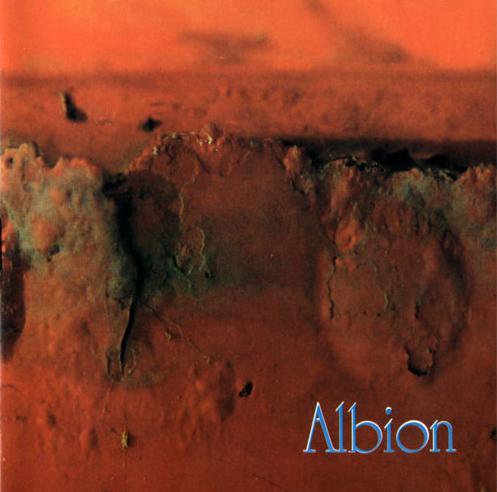
Scarescrow (Albion, 1995)

Taken from this Polish band's second album, "Scarescrow" opens the record with a sweet but never sweetish ballad, not so far from Marillion's mid-period ones, featuring the distinctive female vocals of Ania Batko and a well found melody. This is one of those songs between pop and prog, both traditional and modern, including a good, dreamy guitar solo and a big deal of background keyboards.

This album features songs in both English and Polish languages.


It seems to me that such a calm, evocative music requests a great amount of good taste to be put down in notes and words. This is exactly what Albion have, with the welcome addition of an irreproachable technique. So, if you need a short break between two endless, experimental epics, this is what you need. Nothing more and - believe me - definitely nothing less.

Tuesday, 24 March 2015

Twin Sunrise (Dogma, 1995)

What a beautiful track, this "Twin Sunrise" is! Just my opinion, of course, but please listen to the dynamic intro and I bet you'll decide to go on. Good idea, as this song is one of the best achievements of Brazilian act Dogma, that's responsible for two very good albums released during the '90s. The tempo changes are one of the most known features of these musicians, and so are the electronic effects, something between Jean-Michel Jarre and Rick Wright.

I like both Dogma's studio works. Unfortunately this was the last one.

All the sounds are highly suggestive and "Twin Sunrise" includes some sampled Peruvian flutes, a Gilmour-esque electric guitar, an effective drumming, a brilliant piano and so on. Most of all, this instrumental track is full of musical landscapes, but it never goes ambient, firmly keeping its prog rock mood. Even if the song lasts some 12 minutes, I hardly realize it's a long one... on the contrary, I do think it ends up too soon. Will it be the same with you?

Monday, 5 January 2015

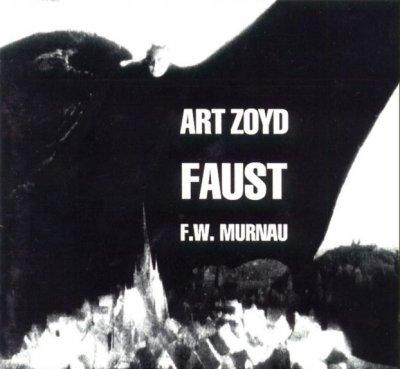
Gates of Darkness 1 (Art Zoyd, 1995)

I confess that some avant-garde tracks are beyond my weak comprehension and my frail musical culture. This is also true for many Art Zoyd's songs, but not for this one. "Gates of Darkness 1" (a "Gates of Darkness 2" also exists in the same o.s.t. album) is an arcane, mysterious, suspended track, with deals of experimental sounds and weird chord series, but nonetheless it is a charming, riveting piece of music. The first part has even a well found theme, whose variations are definitely clever and perfectly arranged in a sort of crescendo leading to an abrupt end.

 
After Art Zoyd's successful projects, many other prog bands
composed music soundtracks for silent films.

The second section of the track is mostly experimental, introducing a drumming-driven, scary ambient sound, perfectly into the movie this soundtrack was created for, the original 1926 silent film "Faust" by Murnau (the band had previously released a soundtrack for "Nosferatu", also directed by Murnau). But you don't need to actually see the film to appreciate the deep darkness of this music, even if the visual content surely empowers the alienating effect of the track. This is not something to sing along, as you can imagine, but this is what I'd call music for the mind.

Monday, 29 December 2014

An Island in The Darkness (Strictly Inc., 1995)

Strictly Inc. is a one album project by Genesis founder member Tony Banks, also featuring among others vocalist Jack Hues and long-standing Genesis live member Daryl Stuermer. It's one of the few long epics written by Banks for his solo albums (around 17 minutes) and, IMHO, likely his best one. There's an original mix of piano driven sections and mostly pop sung parts. Even if I don't especially like the drum machine, "An Island in The Darkness" includes a great melody, some beautiful instrumental sections and a wide range of compositional gimmicks.

Even if the album is credited to Strictly Inc., actually this 
can be considered as Tony Banks' seventh studio album.

As usual, Tony excels in painting obscure and melancholy atmospheres, misty and crepuscular landscapes. I'm deeply touched by his minor key chords and the longest instrumental passage of this song is simply outstanding. I'm pleased to mention some other strong points of the track: Daryl Stuermer's guitar solo, the piano intro and the sensitive Jack Hues' vocal performance, to name just a few of them. Definitely a highlight in Banks' career.

Monday, 8 December 2014

Septagone (No Name, 1995)

Listening to some easy going neo-prog is something that chills me out. And when this music is well written and well played, I daresay it's kind of a cure to me. No Name come from Luxembourg and all their records pay loving respects to Fish era Marillion's music, even if their most recent albums are a little more synth-oriented. This isn't necessarily a reason to reject them, as No Name have their own intense and passionate way to make prog. This "Septagone" is a good way to discover tha band's approach, with all its keys progressing and its very good tempo changes.

A Victorian cover art... just "la Belle Époque"!

The track comes from the album "The Secret Garden" and I like the way the band exploits both acoustic and electric instruments to build up a dreamy rock song with good interplays and solos. The Victorian mood of the album shows itself then and now, especially in the atmospheric bridges and Patrick Kiefer's voice has a good balance between sweet and agressive tones. All in all, some pleasant 6 minutes of music, IMHO. That doesn't always happen, nowadays.

Monday, 6 October 2014

I'll Never Be Like You (Once Again) (Saga, 1995)

The Canadian band Saga are among the most prolific prog artists ever, with more than 20 studio albums to date. They're also a very eclectic act, always looking for something new, and exploring such different worlds as hard progressive, neo-prog and arena rock, just to mention a few of them. This song, for example, taken from the "Generation 13" album, shows the easy-prog side of Saga. It's a ballad full of tension, based on a beautiful melody and featuring a rich orchestral arrangement.

I think this is one of the best albums is Saga's discography.

This one is never too pomp or intrusive, on the contrary it adds kind of more pathos to the song. Of course, "I'll Be Never Like You (Once Again)" is part of a concept album including 18 tracks and it should be better to listen to it in its own frame, but it's also a stand alone song, with a special, distinctive taste. If you want my opinion, try both the track and the album...

Saturday, 21 June 2014

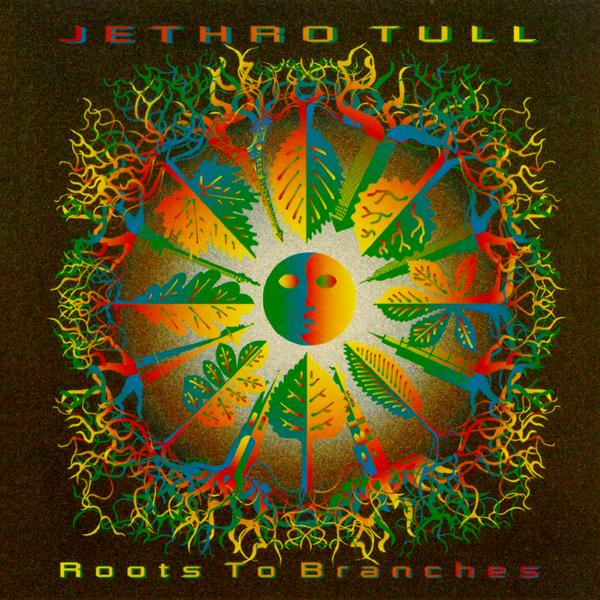
Valley (Jethro Tull, 1995)

As this song comes from "Roots to Branches", it belongs to the 1990s, but its sound and its structure reminds me of the folk age of Jetrho Tull, around late '70s and I like it as it was actually part of that magnificent bunch of songs. Really, all is good here: the arcane intro, the bluesy measures, the rock riffs, the instrumental passages, the coarse vocals, some acoustic guitars here and there, and, of course, Ian Anderson's flute.

Some consider this as thelast good JT's album. Don't know...

Sure, some discreet electronic fragments and the neat, digital production suggest another moment in the band's life, but the inspiration and the soul are the best ones a fan could ask for. I remember I saw the band live in their "Roots to Branches" tour in Naples, Italy, and I was rather disappointed by Ian's voice (but then he had been seriously ill, as you may remember), but when he started playing his flute... well... thank you my Pied Piper!

Monday, 16 June 2014

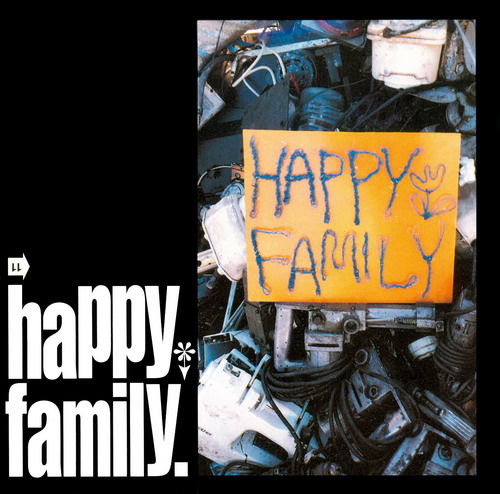
Kaiten (Ningen Gyorai) (Happy Family, 1995)

What if King Crimson were born in Japan? And if they had met Magma, too? Well, listen to this instrumental track if you're looking for an answer. And be prepared to something both old and new, heavy and sensitive, dark and bright. It is difficult indeed to describe such a changing music, including so many interesting ideas and moods. Sure, the track attack reminds me of Robert Fripp's solutions, but then this Japanese band goes further and further, inventing tricky interplays and almost jazzy passages.

Happy Family only released two albums in 1995 and 1997.
 
Still, their music isn't a puzzling experiment: this is actually good, enjoyable rock music, as creative as prog should be. Not a mellow song, this 8:42 minutes "Kaiten (Ningen Gyorai)" comes from Happy Family's self titled first album and fills the space around me with flashes and colours, spinning planets and secret feelings. Chapeau!

Thursday, 10 April 2014

Afraid of Sunlight (Marillion, 1995)

One of my favourite songs ever. That said, this deep, obscure and bittersweet piece of music is the title track of 1995 Marillion's album, kind of a hidden concept album about fame, decline and death. It's a highly emotional song, based on a sharp exploration of the inner regions of conscience. Hogarth's performance is one of the most sensible of his career, featuring a wide range of feelings and perfectly supported by a warm and well-calibrated ryhtm section.


Some fans say this song is about a vampyre.
I dont' think so, but there's definitely a dark mood in the track.

The instumental section is like a dark dream and Steve Rothery's guitar solo... well, it's a Steve Rothery's solo! I recommend to listen to this track just after its campanion song "Afraid of Sunrise" (the album's fourth track) to appreciate the delicate variations of the same main theme. But then, I understand, it would be difficult to cut away "Out of This World" that saparates the two "Afraids". Well... just try!

Sunday, 26 January 2014

One Small Step (Saga, 1995)

This Canadian band, whose main quality is the eclectic approach to prog music, tried many times to release a fully enjoyable album and finally succeeded in 1995 with "The 13th Generation" intricated concept. This song, in particular, perfectly shows the group's rich and varied musical palette. The rock opera mood of this mini-suite including three movements is clear and underlined by emphatic vocals, very good guitar riffs and a variety of orchestral arrangements.

This concept album features 18 chapters.

Like in a film soundtrack, many different atmospheres follow one another, but the recurring themes and a clever architecture give to the track a merry and coherent personality. The vocal harmonies are also good as well as the always changing rythm. An unusual song, even for the unpredictable prog rock scene, but a very good one I appreciate more and more.

Thursday, 2 January 2014

The Banishment (Ayreon, 1995)

This is taken from the First Act of "The Final Experiment", the first rock opera credited to the label-band "Ayreon", created by Dutch guitarist and multi-instrumentalist Arjen Anthony Lucassen. It's a bombastic, flushing suite divided in six parts, lasting some 12 minutes and developing a turning point of the intricate sci-f and medieval album concept. If the first half of "The Banishment" is a good example of rock opera, including two good lead singers and a choir, the second one is definitely prog.

The tenth anniversary special edition of this rock opera
also features semi-acoustic versions of the best tracks.

And what a boiling, intricate, up-tempo prog it is. Keyboards and guitars duel while the rythm section accelerates the tempo and underlines the dramatic mood of the lyrics, telling the main character Ayreon's trial and condemnation by a crowd of enraged villagers. There's a strong pathos in this song and a highly dynamic architecture, leading the listener through different emotions and musical worlds. Colourful and lively, but never too noisy, this is one of the best Lucassen's achievements. IMHO.

Wednesday, 5 June 2013

Out of This World (Marillion, 1995)

This is one of the finest songs from "Afraid of Sunlight", the last Marillion album for a major company, released in 1995. All the tracks in this CD are about celebrity and its risks and this one, in particular, was inspired by Donald Campbell's life. This british speed record breaker got both land and water records and died in 1967 while attempting another record on water with his Bluebird B7 vehicle. One could imagine a fast song for such a speed lover. Well, no, this is a down tempo track, a sad, profound and touching meditation on life and love mysteries, including kind of a last message from Campbell to his wife.

The recovery of the Bluebird wreck in 2001.
A photograph by Steve Rothery.
 
This musical trip is guided by a spectacular H's vocal performance and three beautiful, nostalgic themes. Being a prog song, some very good and dreamy instrumental passages enrich the song and when it's over... you'd like some more. And also the story of this song deserves some more information: after the fatal crash, Campbell's body wasn't found in the depth of Coniston Water, UK, and in the year 2000 Bill Smith, a diver inspired by this song ,decided to try and found both the body and the wreck. Those were recovered between May and September 2001 and Campbell was buried in Coniston. His funeral was attempted by his family and Mr. H who sang... guess which song?

Saturday, 27 April 2013

As The World (Echolyn, 1995)

Did you ever wonder how Gentle Giant would sound if they were born in the '90s? Well, if you did, Echolyn is the answer. This American band is one of the happy few considering the Shulman brothers' band as a major influence for their music. This doesn't mean they reproduce the original sound of the '70s, on the contrary they have their own trademark, made of good ol' prog, but also of a genuine research in contemporary music field.

Echolyn in 1995 in a Sony official press photograph.


The title track of their 1995 album - the only one released by a major recording company - is a fine example of this. Complex plots, some instrumental passages and a good vocal harmony lay on a syncopated rythm and the general mood is one of joyful adventure. The lyrics perfectly describe what music means for the band and those lines could be adopted as a manifesto by many other prog musicians. Please, read this:

I'm stretching my ears they're open and not withstanding
To rhythmic syncopation, harmonic dissonance
I move to a groove that will never stop swinging
And I sing to a song that never ends
I'm pushing my brain to think a little harder
To learn from the simple and question the complex
If logic and reason are the gods that you follow
Then you'll drown in your soul's emptiness.