Showing posts with label 1981. Show all posts

Tuesday, 30 August 2022

In My World (The Moody Blues, 1981)

 Justin Hayword wrote this song for Moody's too underrated album "Long Distance Voyager", a proud progressive flag (with some eighties additions) in the genre's darkest years. This ballad is a pefect blend of a folk rooted theme and brilliant arrangements, a rather long ballad with bluesy and country echoes and an extended, beautiful and fully progressive instrumental coda. Old school music, yes, but also state of the art sounds, never boring solutions and that Moody's magic touch! 

...Always been in love with this cover drawing!

Even if the main theme is always there, you never get tired as the band re-work it through an ever changing sound palette. It's a dreamy experience, a fluid, transparent, refreshig stream getting more and more addictive and reaching its emotional peak during the final instrumental section. Another fine example of what a love song can turn into when Moody Blues are concerned.

Saturday, 17 July 2021

YYZ (Rush, 1981)

 This is one of my favourite instrumental tracks ever. It comes from Rush's eighth studio album Moving Pictures. The title is just the identification code of Toronto Pearson International Airport, the one the band reached when leaving their homes and where apparently Alex Lifeson was inspired for the song's rythm by the morse code translation of YYZ (that's - . - - / - . - - / - - . .  and that's the opening sound of the track). This is a highly dynamic piece of music, incorporating both groove and melody, full of changes and pauses the stop and go way that Yes liked so much. 

This track is a real flight, IMHO...

The main theme comes in at well studied intervals and - as usual with Rush - the rythm section provides a rich palette of bridges, progressions and variations. The song's pattern is so unpredictable and sought after that you hardly believe it can be confined in a track of just over 4 minutes. Enthralling and ever changing, YYZ is a manifesto of this band's idea of progressive rock, an idea I like very much... and I daresay I'm not the only one!

Friday, 29 November 2019

Geoffroy (Emeraude, 1981)

If you like well written mellow prog, this French band is definitely for you. And as I have to choose just one song from their little repertoire, here you are Geoffroy, a 17 minutes song with some beautiful changes and strong folk roots. The Medieval smell of this track and its acoustic passages did not go unnoticed back in 1981 and Emeraude's debut album, intended for a few local fans, was re-released in 1994, then in 2014. First of all, the musical themes are very good, ballad-like melodies and yet richly finished. 

Emeraude: a Medieval way to prog...

In tis folk influenced song, there are also many spacey keyboards and even a Gilmour-esque guitar finale, and maybe some will find this final section a little too long, but it's so sweet and packed with magic that I surely like the whole composition. The lyrics about knights and mystic quests perfectly fit with Emeraude's music, so that this can be considered just another hidden gem from the most difficult decade of progressive rock.

Sunday, 24 July 2016

Red Barchetta (Rush, 1981)

"Moving Pictures" is an excellent album by Rush, IMHO, full of thick and coherent compositions, among which I introduce today "Red Barchetta", a live favourite of the Canadian powerful trio (and of their fans of course). There are many changes and different themes in this song, full of stingy sounds and irregular rythms. The short electric guitar solo is rightly famous, but I highly recommend Geddy Lee's bass lines throughout the track... well my mention is likely useless, as we all know how great Lee is.

Imagine this song, a convertible car and the wind in your hair...

Maybe the moment I better like is the final reprise of the opening chords, that's when the tempo goes down announcing the end of the song and the volume slowly fades away, leaving a persistent memory in the listener's ears and the will to restart the player. This is another song by Rush featuring an original pattern, a good melody, brilliant sounds and a series of smart variations. That's why they belong here.

Sunday, 27 March 2016

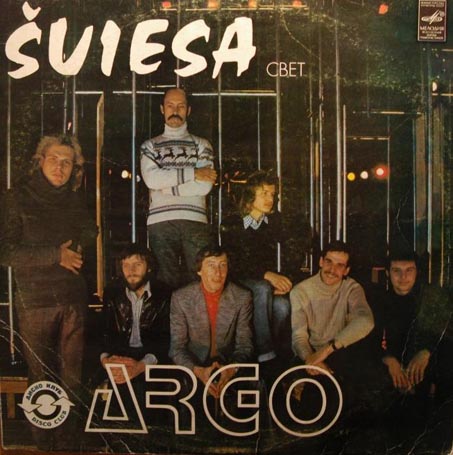
И светлый же этот день (Argo / Арго, 1981)

This band was the brain child of Lithuanian composer Giedrius Kuprevicius and their music always switched from electronic disco-pop and relaxing melodic instrumentals,like this one. "И светлый же этот день" (meaning "Bright Like The Day"), coming from the album "Šviesa" (in English, "The Light") actually reminds me of an ambient song, but its melodic structure is far better developed and far lesser intricated.

"Šviesa" was the second studio album by Argo.
 
This song could also be compared with early '70s space rock, but, of course, if we had to find rock elements here, that could only be on the its (very) soft side. Be as it may, I think this song has its own charm and a dreamy, visionary texture I like very much. Apart from Kuprevicius' keyboards, the bass guitars and the electric guitar create an inner world and a vaguely lysergic mood that I rarely found in a 1980 release.

Saturday, 19 December 2015

Conte en vert (Terpandre, 1981)

Before its release on CD (in 1988), the sole album by French prog act Terpandre was a rare object and a forgotten testimony of late '70s European progressive music, as its recording sessions dated back to 1978. Too bad would have been if we had lost such a good example of melodic, early King Crimson inspired LP. This track is among my favourite songs from the transitional years between 1978 and 1982, too late for Golden Era and too early for neo-prog revival.

A perfect cover art for the music you're listening inside.

"Conte en vert" ("Green Tale" in English) has the bittersweet mood of the first KC's album, but also some brighter touches here and there opening blue skies and ethereal atmospheres. The band knew how to revive classic sounds in a fresher and maybe simpler version. "Conte en vert" is a quiet and moving musical ghost, and I'm sure it'll give to some of you the will to listem more from those French boys.

Tuesday, 8 December 2015

Hombres de Maíz (Alux Nahual, 1981)

Alex Nahual are likely to be the most famous and interesting rock band from Guatemala.This 7 minutes track comes from their self-named debut album. There are so many different influences in this song, from prog to mainstream rock and from latin folk to rock Andaluz. Still, it's a coherent composition, lining up a catchy chorus, rock riffs and a very good atmospheric section too.

The name of this band means, in Mayan Language, Goblin's Spirit.

Álvaro Aguilar's vocal performance is strong and warm, going through all these different moods and also preparing the listener to the instrumental coda, reminiscent maybe of Kansas. The rythm is the strongest element in this song, in the wake of their tradition, then the melodic themes are also a winning point. Just try it and let me know...

Friday, 16 October 2015

Elephant Talk (King Crimson, 1981)

Like it or not, this is a remarkable song in many ways. First of all, it's a keenly arranged song, based on Tony Levin's Chapman Stick and including the famous trumpeting elephant effect on Fripp's guitar on which the song was titled. It's an impressive (and mainly electronic) display of wall of sound, filled with pulsing energy and irregular rythms.The sung parts are almost yelled, adding more confusion to the puzzling big picture.

This song was also released as a 7" single b/w "Matte Kudasai".
A 12" single also exist including a third track, "Thela Hun Ginjeet".
 
The lyrics are actually relevant, being a collection of words naming linguistic interactions. Those are in alphabetical order, so that the first stanza only includes words beginning by A and so on until the fifth and final stanza, displaying words by E, like Elephant. The lyrics and the music both point up the redundacy and superficiality of verbal communication. Talk, talk, talk, it's only talk!

Friday, 4 September 2015

The Friends of Mr. Cairo (Jon & Vangelis, 1981)

Back to the so called progressive pop. If ever such a genre exists, it surely includes the whole discography of Jon & Vangelis, that's to say Jon Anderson and Vangelis famous joint venture. This track, in particular, is a lushing and captivating epic, not so far from a proper suite, spanning over 12 minutes and a series of sung themes, instrumental passages and soundtrack effects. This song is a tribute to the gangster movies, so that you should expect shooting guns, old car noises and dramatic dialogues. All these actually are there and with them, here you are Jon's splendid voice, Vangelis' electronic keys and, of course, a lot of good music.

It's the first album credited to Jon & Vangelis. Maybe the best one.

The strongest point, however, is the structure of the track, exploiting a very well found main theme gradually fading into a melodic final section, also featuring a beautiful melody and a rainy mood. The tempo changes and the cunning overdubbing are definitely prog, while the pulsing programmed rythms are there to remember we're in the '80s, after all!

Tuesday, 25 August 2015

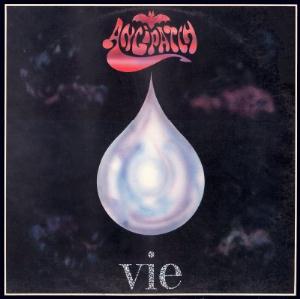
Vie (Angipatch, 1981)

This instrumental title track of "Vie" ("Life" in English) has a very special taste, suspended between the '70s and the '80s and immediately captures the listener's attention with its rythmic pattern, an unusual one for prog rock. Then, little by little, the other instruments come in and bring back a more (but never too much) traditional progressive texture. The track shows how eclectic Angipatch were and how unique their sound was in the French prog rock scene of the late '70s and the early '80s.

Angipatch debuted with this interesting concept album,

They tried to give a fresher face to our genre and surely they weren't the only ones there, but their solutions actually are interesting still today and even if some key sounds seem a little dated nowadays. This convincing (my opinion, of course) fusion of symphonic rock, electronic music and mainstream pop-rock is worth another listening and an addiction to my blog.

Tuesday, 16 June 2015

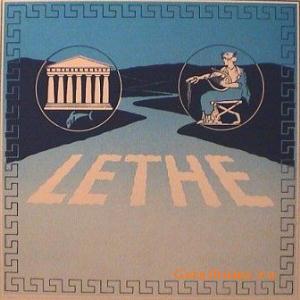
Avbury Circle (Lethe, 1981)

Strangely enough, the Dutch prog scene in the 1980s seems to be packed with one-album-only bands and - what's even stranger - many of those unique works are very good ones. Lethe released their self-named LP in 1981 and this "Avbury Circle" is one of the four instrumental tracks included in it. It's a completely original kind of music, where classical references and jazzy passages follow one another.


This is an album that's worth a wider diffusion, IMHO.

Thuur Feyen's piano surely is one of the strongest points of this interesting piece of prog, giving a special dynamic touch to the music, then here you are a spendid choice of acoustic instruments, including a pleasant xylophone and a mysterious cor anglais. That said, the electric guitar and the bass are also present and very well played, so that the final picture is a diversified, deep and sometime devilish one, something you don't easily find elsewhere. I do hope such a pearl won't be forgotten by my progloving friends.

Wednesday, 20 May 2015

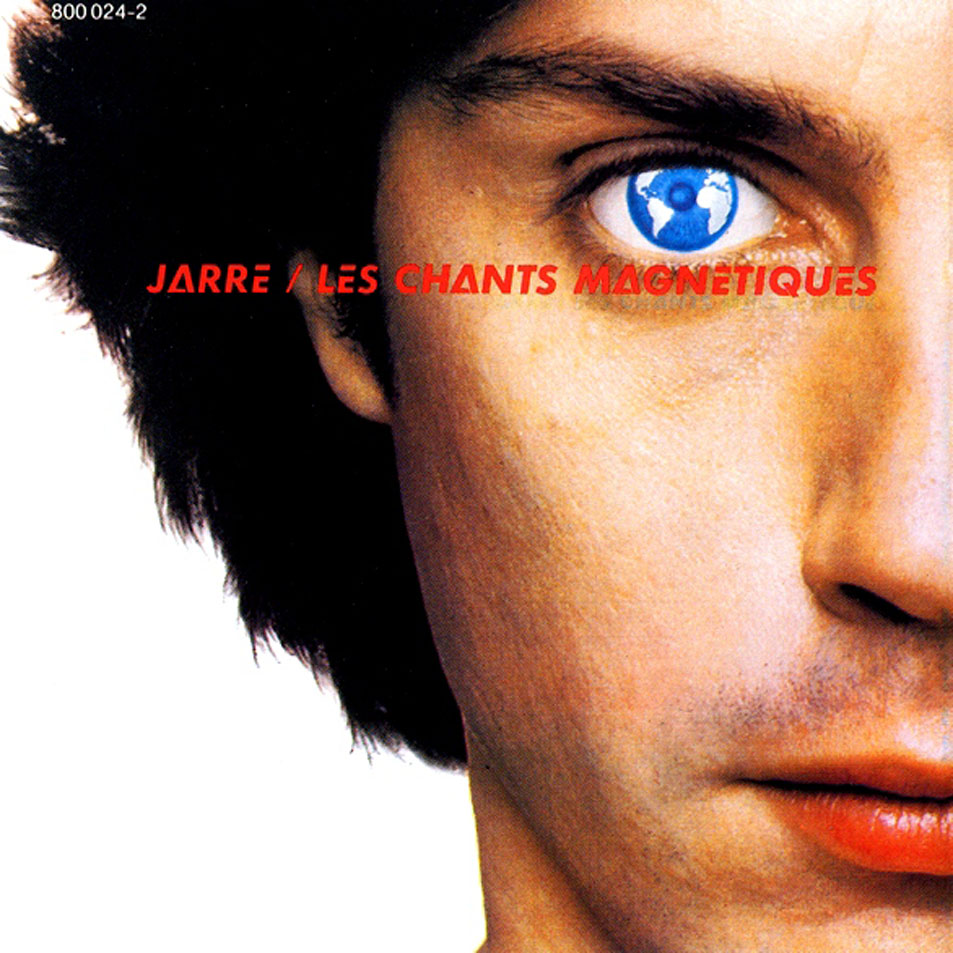
Les Chants Magnétiques Part 1 (Jean-Michel Jarre, 1981)

This rather long epic (some 17 minutes) fills the A side of Jarre's album "Les Chants Magnétiques", also released as "Magnetic Fields" for the International markets. Actually, the French title includes an untranslatable double meaning based on the same French pronunciation of "Les Champs Magnétiques" (that's to say "Magnetic Fields") and "Les Chants Magnétiques" (meaning "Magnetic Songs"). 

Those "Magnetic Fields/Songs" are Jarre's fifth studio work.

This is a very Jarre-sque track, if I can say so, full of electronic devices and also packed with musical intuitions, unusual atmospheres and strong emotions. In addiction to this, the composition is a classically conceived one, with effective themes and clever variations, tempo changes based on the concerto schemes and a profusion of gace notes. In spite of such a big deal of ideas, the music is light and almost transcendent, as an arcane message from another world. As usual, this artist walks on the narrow dividing line between baroque shows and inner musical experience. And he keeps his balance so well...

Sunday, 17 May 2015

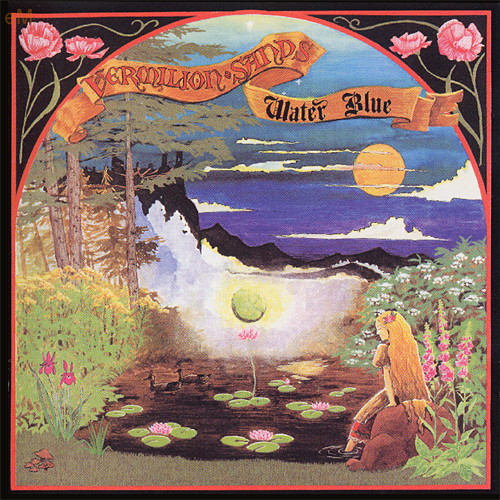
Ashes of The Time (Vermillion Sands, 1981)

A very original way to neo-prog, this "Ashes of The Time" is. Waving rythms, peaceful largos, asensitrive female voice and a good deal of acoustic instruments, especially 12-string guitars. Somewhere between Ant Phillips and Renaissance, this Japanese act find their own trademark. I really like their taste for good melodies and long, rich instrumental passages. I also think they know how to add true emotions into their aesthetic and smooth music. This peaceful song comes from the album "Water Blue", their debut work.

The cover art and the music inside surely are in tune!

Listen to the slow time sung section towards the end of this song: it's like the enchanted gateway to an inner world. And then a xylophone duets with acoustic guitars... and that's magic! And what about the mandolin closing section? Delicate and moving: what a plain and tasty recipe!The band came back recently with a second album and I hope they'll go on progging.

Saturday, 3 January 2015

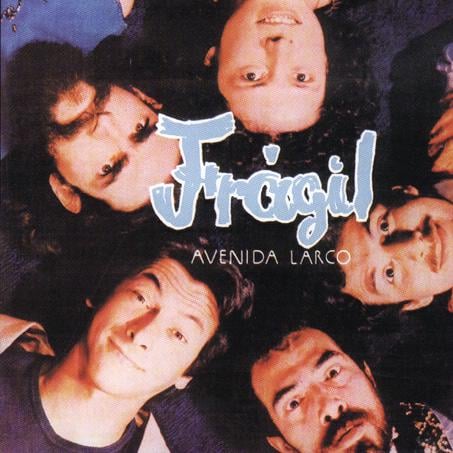
Oda al Tulipán (Frágil, 1981)

Here you are a band from Peru knowing how to mix symphonic and pop arrangements. Take as a tester this track of their debut album "Avenida Larco". It's a diversified, flushing, still well organised track, where all instruments find their place, with the beautiful addiction of horns. The lyrics in Spanish are among the weirdest ones in the usually weird domain of prog lyrics, so I'll leave their interpretation to my smartest prog friends. For sure,the title means "Ode to The Tulip", and that's saying something.

After "Avenida Larco", the band released three more studio albums.

Anyway, the music is the strongest point here. A very good theme, a series of well played solos, an effective keyboard background, a naive, joyful mood everywhere. Those qualities made of Frágil a popular band in their own Country and recommend more attention to their music worldwide.

Sunday, 28 December 2014

El útimo sueño de Paganini (Galie, 1981)

Mexico has a special place in prog rock history: not only this Country gave birth to many good bands and musicians during the years, but this blossoming was more flushing in the '80s, while the rest of the world was (prematurely) pronouncing dead our favourite genre. Galie are among this backbeat generation of proggers, keeping the good old music alive. Their songs are plain, melodic and enthralling instrumental pieces, mixing melancholy and symphonic moods.

This was the first of a series of four self-titled albums.

This one, for example, has a strong classical inspiration (its title means "Last Paganini's Dream") and is reminiscent of some Italian prog songs from the '70s and  of Wakeman's touch. And I think there is a scent of Focus too. It features a beautiful theme and a sparkling series of variations in a naive but convincing succession of crescendos and largos. Probably a simple way to go progging, and IMHO a charming one.

Wednesday, 24 December 2014

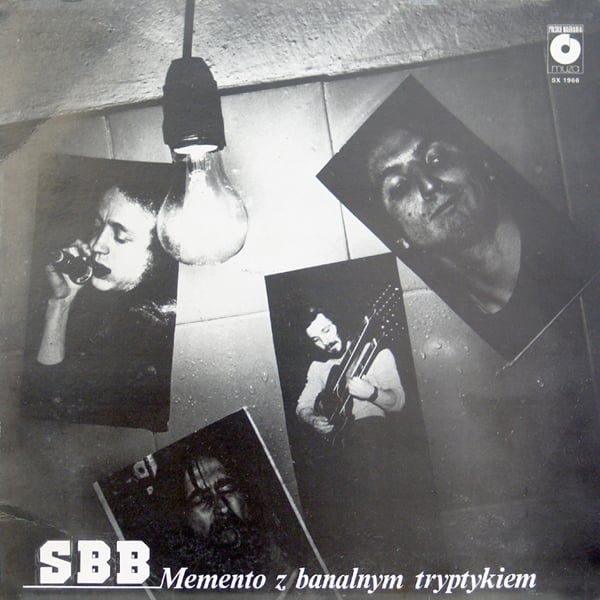
Memento z banalnym tryptykiem (SBB, 1981)

I think this is one of the best prog tracks of the '80s and it comes from Poland. It's a 21 minute suite by SBB, one of the most important Eastern Europe bands ever. I like this suite for its mix of spacey, acoustic, folk and rock moments. And then the player are all so skilled and elegant that you couldn't skip one single second of the song. "Memento with a banal tryptych" (that's the English tranlation of the title) actually is a succession of beautiful melodies and well found atmospheres, an original blend of delicate fragrances having the flowery smell of the '70s, but also announcing something new and exciting.

"Memento" was the ninth SBB's studio album.

If you like pleasant and still challenging music, you surely know how difficult is to find those two features in a single composition. But here you'll enjoy an experimental mood well set into an agreeable pattern. And with a great voice and a symphonic twist, to top it all!

Saturday, 8 November 2014

El galope del asturcón (Asturcón, 1981)

Asturcón only released one album in 1981 (recorded in 1980), but the record is probably better known and surely more appreciated today than in its release days. Victor Carrizo, the man behind this project, managed to set up an original collection of pure progressive music with distinctive elements in it. This "El galope del asturcón" (the asturcón is an Asturian pony) is a good example of the strength and even the weirdness of his compositions.

The original LP included six tracks, all very good, IMHO.
 
Mainly instrumental, the track descibes the animal in its natural environment and finally exalts the beauty and the pride of the asturcón and of the Asturian landscape in a few spoken lines. Naive as it is, this track is a pleasant trip through a colourful land and its abrupt tempo changes give the listeners a delightful surprise. It's a refreshing sip of prog in a rough rock oriented period, not the best way a musician had to get rich... something I always appreciate.

Saturday, 7 June 2014

Merlin (Kayak, 1981)

Merlin the Magician and the whole Arthurian saga were one of the most common literary sources for progressive rock lyrics. Kayak produced their own "Merlin" track in 1981 and it proved to be one of their most powerful ones. After a melodic, sweet section, the song - written by Ton Scherpenzeel - gets fully prog rock and is graced by devilish keys and one of the best vocal performances by Edward  Reekers. He also rules the subsequent tempo and mood changes.

"Merlin" was the eight studio album by Kayak.

The electric guitar comes is around minute 4 and adds a heavier edge to the song, introducing the final wall of sound in which all the instruments - leaded by a very Wakeman-like keyboard - do their best to please my prog ears. Useful to know, this track is but the first in a collection of five songs filling the A side of the original LP - also titled "Merlin" - all concerning the famous magician's story. And they all deserve your attention, IMHO. Last info: the band re-worked this material and released a longer suite on the same subject in 2003, "Merlin - Bard of The Unseen". This version's interesting too.

Monday, 5 May 2014

Matte Kudasai (King Crimson, 1981)

"Discipline" is essentialy made of up tempo songs, some of which featuring harsh sounds, Talking Heads inspiration and edgy guitars. It's also a prog album without keyboards (there are a few over the decades), but then Robert Fripp's guitars can virtually be any instrument you're waiting for. In this context, "Matte Kudasai", credited to the whole band, is a world of its own.

"Discipline" was the first album of the '80s incarnation of KC.

Slow and suspended, this track almost depicts the waiting atmosphere suggested by its title (Matte Kudasai is "Please Wait" in Japanese) and was also released as a single b/w "Elephant Talk", but in a slightly different version, more recently included in the 40th anniversary remix edition of "Discipline". The seagull effect, twice heard during the song, comes from a Belew's guitar effect and his vocals are simply perfect, so outspread and - in the same time - always under control. The slide guitar leads a song that seems like waves flowing through the ocean or better like inner waves echoing into a human soul. Definitely, slow doesn't necessarily mean relaxing.

Tuesday, 15 April 2014

Mysterious Monolith (Eloy, 1981)

We all should be more grateful to Eloy. They were one of the very few European bands having such a long and continuous discography through five decades despite all the musical changes around them. In particular, their early '80s production encouraged the neo-prog movement and was an unfailing source of inspiration in the darkest days of progressive rock. The album "Planets" was released in 1981, featuring a complex science fiction concept, kind Space Opera meets Cosmogony, and this track is by far my favourite one from this project.


Eloy's discography includes 18 studio albums to date.

It's a 7:42 minutes song with lots of tempo and arrangements changes, beautiful melodies and very good solos too. Based on traditional symphonic rock solutions, "Mysterious Monolith" also features a good deal of electronic sounds and these updated keyboards proved full of consequences in the forthcoming neo-prog era. Despite the strange lyrics about a weird and almighty monolith, this song has an emotional charge I really like.