Showing posts with label 1969. Show all posts

Saturday, 30 October 2021

Concerto For Group And Orchestra (Deep Purple, 1969)

This famous Concerto was the best way to musically end up the Sixties when released back in December 1969. Deep Purple (and especially their late keyboardist, Jon Lord) concurred in their own way to the proto-prog era and this live recording is an essential part of those seething, hectic years. It's a very long suite in the shape of a classical concerto, divided into three movements: 1. Moderato - Allegro, 2. Andante, 3. Vivace - Presto. Entirely composed by Jon Lord, it starts (First Movement) with a sharp fight between the Royal Philarmonic Orchestra and the band, each of them playing the same tunes and trying to overcome their musical "opponent". 

The concert at the Royal Albert Hall took place on September  24th.

The second Movement moves to more peaceful quarters and we can also appreciate Ian Gillian's voice and lyrics laid on a beautiful ballad theme. Here the orchestra and the group begin to merge, but it's only in the final and shortest Movement that all barriers fall down and the two ensembles act as one, building up a lively and even frenzied finale. Well known as it is, this ambitious, challenging and everchanging piece of music, maybe ahead of its time, is surely worth another go on our playlist.

Saturday, 11 June 2016

Beware The Ides of March (Colosseum, 1969)

Johann Sebastian Bach is rightly considered as the proggest classical composer by far. In particular, his "Toccata And Fugue in D minor" inspired not only Procol Harum's outstanding debut single, but also this beautiful track taken from the first album by Colosseum, "Those Who Are about to Die Salute You - Morituri Te Salutant". Dave Greensdale & friends started their instrumental with a soft and bluesy version of Bach's standard, which title refers to the album concept: the Latin statement (and, of course, its English translation) is supposedly the hail that Roman soldiers addressed to Caesar before the battle.

This is how Colosseum's career began...

The central section of the Toccata also displays James Litherman's electric guitar, soon involved in a devilish jazzy interplay with Dick Heckstall Smith's sax. Such a musical contamination may seem usual to the modern listener, but proved surprising and inspiring in 1969. For sure, "Beware The Ides of March" still is fresh and enthralling today.

Wednesday, 18 May 2016

Abbey Road Medley (The Beatles, 1969)

Even if this famous medley from the "Abbey Road" album skips all labels and includes many and so different short songs, it surely influenced the rising progressive rock and was influenced by it. First of all, this lushing collection of musical themes proves how abundant and diversified was the band's inspiration and how accomplished were their creative skills. And I shouldn't forget George Martin's contribution, he probably provided the "symphonic" side to the big picture. A picture with no title, O must say, so I shold've called this post You Never Give Me Your Money/Sun King/Mean Mr Mustard/Polythene Pam/She Came In Through the Bathroom Window/Golden Slumbers/Carry That Weight/The End. Too much...

Not simply a cover: an immortal rock icon.

This kaleidoscope of musical sketches and the way The Beatles lined up full band arrangements, vocal harmonies and solo performances will become a standard in all forthcoming prog suites. They also chose with care the running order of the songs, so that some of them act like bridges or links between two strong and catchy tunes. 16 minutes of colourful, everchanging and riveting music. And if you don't want to call it prog, you'll have to find a new word for it!

Sunday, 13 March 2016

Fairy Tales of Truth (Q65, 1969)

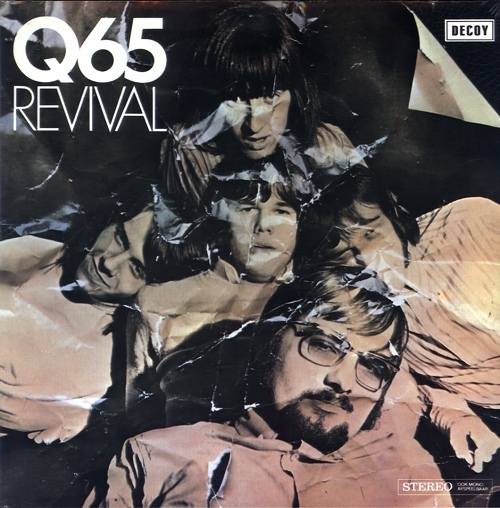
Q65's "Fairy Tales of Truth" is an interesting example of proto-rock song from The Netherlands. The band released some very good albums during their early years and this track comes from "Revival", their second studio work, and it also exists a longer version by another Dutch band called Circus. I actually like the dark bass lines, the acid guitars and the airy melodies rising up here and there in a rather tricky plot.

I don't know if I like this wrinkled effect, but all the same...

This unusual architecture is the proggest element in the song, with the dreamy background Mellotron and the space-like electric guitar ruling the final part of the track. The instrumental sections are packed with atmospheric, suspended moods, and I also appreciate the diversified drumming, colouring these delicious fairy tales.

Monday, 9 November 2015

Kings And Queens (Renaissance, 1969)

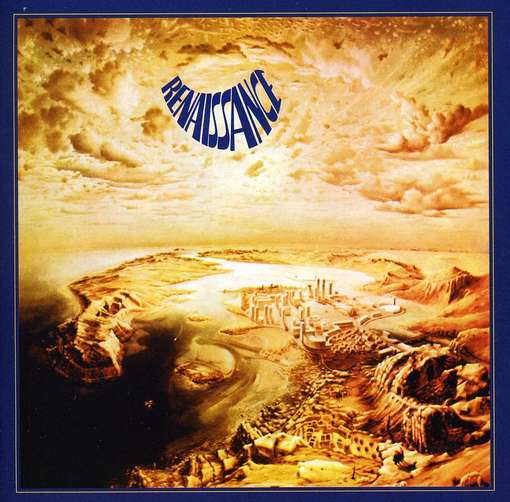
Even before their most known line-up, even before Annie Haslam's splendid voice, Renaissance were an excellent band, trying to play a music beyond all the barriers of genre and public. "Kings And Queens", from their debut self-named album, is a perfect example of that. The eclectic approach, the piano central role, the catchy but also rocky tunes and the tempo changes draw a musical world of its own.

This is the original UK release cover art of the album.

The intense and arcane slow section is one of the most exciting breaks I've ever listened to, so full of hidden energy... The returning Spanish colour of "Kings And Queens" also contribute to the manifold atmosphere of this song, and the simple and effective vocal harmonies also do. A highly dynamic and colourful musical carpet... then, of course, Annie came in.

Monday, 28 September 2015

Color humano (Almendra, 1969)

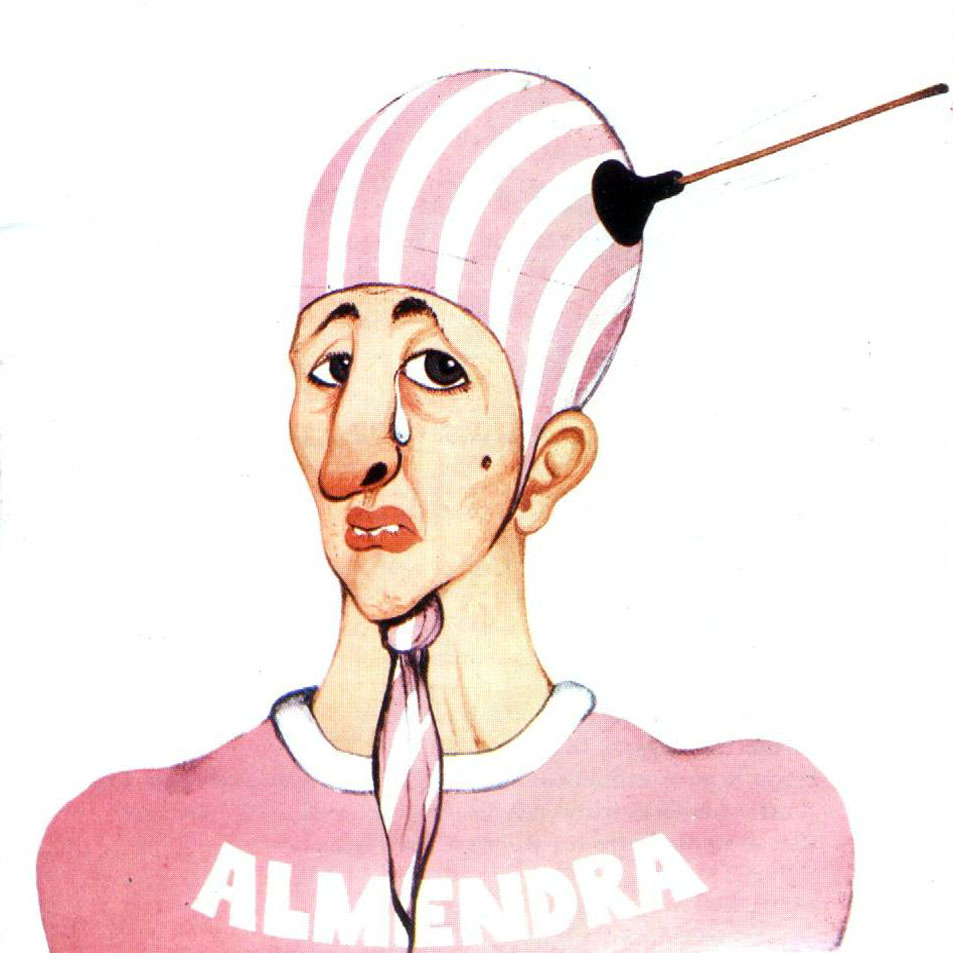
The self-titled debut album by Argentinian band Almendra can be considered as an essential brick in the building of South American rock 'n' roll wall. This track, in particular, is the proggest side of such an interesting brick. Not only it was a 9 minutes one, but it was a brave mix of many different moods. A melodic ballad meets a very acid and bluesy electric guitar solo, then a bass guitar and electric guitar interplay before the ballad comes back.

Almendra were going to explore many sides of rock...

Some abrupt changes in the final section add more and more original elements to the song, definitely an unusual combination of colours and sounds. Another good example of the culture medium on which progressive rock was silently growing up in Argentina and in the entire Latin America. Not only Britain, then... we knew that, but another living proof is welcome.

Wednesday, 29 July 2015

En aio paeta (Wigwam, 1969)

No doubt Procol Harum played a central role in defining what we call today proto-prog. And they influenced so many bands all around the planet. Finnish Wigwam also started their huge career including two or three Procol-shaped songs in their debut album. This "En aio paeta" ("I'm not going to escape", more or less) is a good example of their proto-prog period and also a good song. The finnish lyrics add an exotic mood to the track and the piano plus organ arrangement is essential and effective.

Wigwam's first studio album was called "Hard n' Horny"...
 
A vague folk inspiration and the well released vocal harmonies underline the pastoral atmosphere and I especially like Matts Huldén's bass line, so warm and neat. Some say those old songs are just archaeological curiosities, but when I listen to this plain and short composition I wonder how many glorified current bands could give me as strong emotions as "En aio paeta" does in its three minutes or so of old, charming poetry.

Thursday, 18 June 2015

Rambling on (Procol Harum, 1969)

Taken from their "Shine on Brightly" album, this is one of the best melodies by Procol Harum, very representative of their style and their composition habits. The sung part isn't too different from their previous and following hits, but it has a wider breath and a richer texture, while the instrumental passage and the final solo add some rock elements into the song.

Procol Harum and the piano: true love...

There are, as usual, several interesting tricks, like the false final fading out or the original empowered piano intro. The piano itself is the leading instrument, but the rythmic guitar and the diversified drums are essential to the song mood. Some say Procol's main virtue is their composition skills. Well, I think this song proves how right they are, and also illustrates the taste for eclectic arrangements and keen musical research the band had. A prog taste, if you allow me to say so.

Thursday, 4 June 2015

The Voyage (The Moody Blues, 1969)

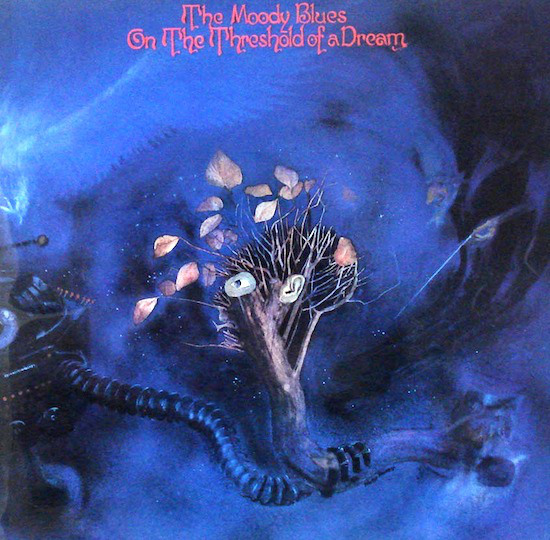
Here you are a magnificent early prog track coming from "On The Treshold of A Dream", one of the most interesting albums by The Moody Blues. This one actually is a brave track, and that for many reasons. Not only it is a fully instrumental track, something rather unusual in 1969, but it is also based on a wide range of keyboards, including a heartbreaking, and lines up an unpredictable series of musical sketches, more like a soundtrack than like a song.
 

This work was the fourth studio album by The Moody Blues.

Last but not least, "The Voyage" is somewhat part of a little suite, being the central section of a trilogy including the two parts of "Have You Heard". This gem actually is a voyage, a trip through strange galaxies or, more likely, through hidden soul corners. Finally, "The Voyage" is one of the best reasons I found to love The Moody Blues. Is that enough for you? It surely is for me.

Thursday, 16 April 2015

Melancolia Street (Baba Scholae, 1969)

This track is a rare proto-prog gem, IMHO. Baba Scholae were one of the first non-UK prog bands in Europe and their "69" album still surprises me for its unpredictable series of songs, each one bearing its own original approach to art rock. And just think this album was never released in its days...! This opening track starts like a jazz-rock piece, then goes through a hippy ballad à la King Crimson and a good deal of instrumental and choral bridges, all very charming. Jean-Yves Labat de Rossi, the mind behind Baba Scholae label, sets up an entire musical world in this 8 minute song!


This album was recorded in London and mostly features British musicians.
 
The vaguely ethnic flute is one of the band's best features, and they add here distorted vocals and many tempo changes. Really, this song seems to me the prog rising sun, and it also announces some of the special characters of French progressive rock, like the theatrical atmosphere or the revival of folk roots. Please listen to this, I'm sure you won't be disappointed.

Saturday, 7 March 2015

Candle of Life (The Moody Blues, 1969)

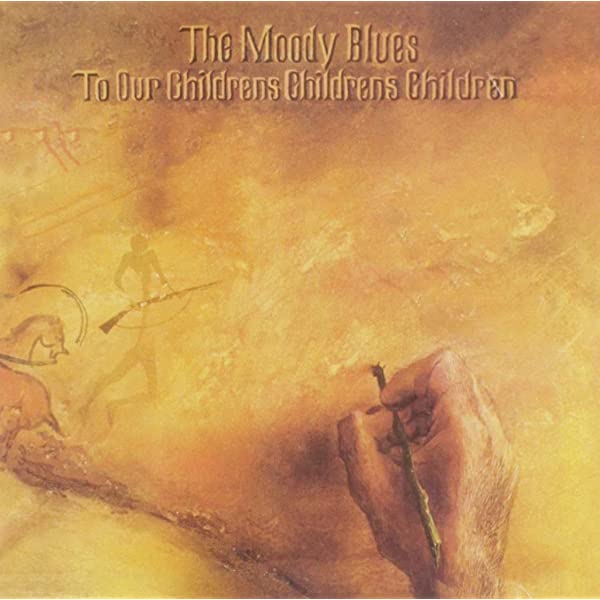
One of my favourite songs by The Moody Blues. It comes from the album called "To Our Children's Children's Children", once again one of my favs. This is exactly the kind of gentle, pastoral, deeply emotional prog that only the first gereration of prog rock bands knew how to create. Not only this song swings and flows like pure water, but it also has a mysterious, fascinating, almost dark Mellotron-driven background.

 
This beautiful album was the TMB's fifth studio work.

And what about the piano? Its touches add kind of a dramatic, biting side to the track, especially to the spacey instrumental bridges that grace "Candle of Life". Maybe the lyrics sound a bit too "love, peace and friendship" in our days, but they're perfectly in tune with the melody, so... who cares? Definitely a classic song for the keenest proggers out there.

Sunday, 11 January 2015

Seventy Five (Touch, 1969)

Here'a a very early example of prog rock (or of something very prog-like) coming from a USA band that only released one self-titled album in 1969. This 11 minutes song has all the main features of that kind of acid prog ravaging the Western World during the late '60s. Kingsmen's ex member Don Gallucci at keyboards and John Bordonaro's drums are the band's musical pillars, but I wouldn't forget the vocal performances of Jeff Hawks, as this song may prove.

Unfortunately, Touch disbanded soon after their debut album.

"Seventy Five" includes many tempo and mood changes, some lysergic, almost liturgical down tempo interludes and also a rather long instrumental section, where keyboards and guitars storm like hell, very well supported by the rythm section. Tracks like this one opened the doors to the forthcoming prog generation and even if Touch didn't become a successful act, they are not forgotten today. Not by me, at least.

Thursday, 18 December 2014

Am I Very Wrong? (Genesis, 1969)

Their debut album "From Genesis to Revelation" isn't the best reason to love Genesis, as we all know. That doesn't mean this record hasn't any good music inside. Actually, "Am I Very Wrong?" features one of  my favourite melodies ever and even if the song is apparently plain in its structure - quite a piano and guitar driven ballad - it always charms me and is worth some consideration.

Surely not one of the most elaborate album covers...

To explain the fascination this track turns on, its good melody wouldn't be enough. There are also a very good choice of chords, an original 12 string guitar background, and - last but not least - a sensitive vocal performance by Peter Gabriel. The vocal harmonies of the chorus are another pleasant surprise, making an unusual contrast with the verses, and introducing a bright tambourine too. The instrumental intro (mostly a Jonathan King's addiction) is one of the best ones in the album, featuring two pianos, one of which was handcrafted to imitate  the tone of a harpsichord. All is well done and announces more to come. So much more...

Monday, 24 November 2014

Sea of Delight (Brainbox, 1969)

As some posts in this blog prove very well, proto-prog songs and albums weren't an exclusive British feature. These Brainbox, for example, came from The Netherlands and in 1969 cleverly mixed R'n'B, psychedelic sounds and plain melodies in a new, unpredictable style we could easily call prog rock. I think this long suite "Sea of Delight" is the best way to approach their music. Jan Akkerman plays here his acid guitar some years before founding Focus, the legendary Dutch prog band (see elsewhere in this blog).

This was the cover art for Brainbox self titled debut album.

But you'll also find here Pierre van der Linden's creative drumming and solos - he'll also join Focus later - and the "talking" bass guitar played by Andre Reynen. Both musicians succeed in drawing a collection of weird, synchopated rythms. A final special mention goes to the Polish singer Kaz Lux, whose sensual vocals grace the sung sections of this track... and his hums, woos and assorted whispers  are among the most puzzling sounds of the whole proto-prog era, IMHO. Really, this is a very interesting and unusual track, that's why I sometimes listen to it and always appreciate those pioneering guys.

Wednesday, 5 November 2014

I Talk to The Wind (King Crimson, 1969)

This blog is full of tracks coming from King Crimson's debut album, but I think such a masterpiece deserves even more than this. "I Talk to The Wind" is a long slow tempo, pastoral, hypnotic ballad I don't need to describe this one, as any prog fan knows it well. I'd like to say instead why I keep on listening to this song, 'cause there are several good reasons for that.

A press photograph for King Crimson's debut album.

First of all, Greg Lake's vocals, so imperturbable and out of this material world, then the woodwind coming in and out the song, just like the real wind Sinfield's lyrics are about. How could I describe the stillness, the ethereal mood of this track? And how could anyone explain the neatness and disarming beauty of the melody? Last but not least, a special mention to Michael Giles' drumming, so soft and effective. In short, I better like to listen once more to this track than to go on talking about it. All in all, I'd talk to the wind...

Sunday, 2 November 2014

Kanaan (Amon Düül II, 1969)

I immediately confess that I'm not into krautrock, especially that kind of krautrock that freely explore the outer limits of the musical Galaxy. But then, as anyone else, I appreciate many tracks from those open minded and uncompromising artists. Amon Düül II are among the best flowers of krautrock golden season. "Kanaan", taken from their debut album "Phallus Dei" (not a politically correct title, I'm afraid), is one of my favourite tracks of theirs. It has an enthralling rythm and begins with a highly creative drumming, then here comes in the sitar giving the right ethnic flavour to the song.

"Kanaan" is the opening track of "Phallus Dei".

The short sung passage is almost a spoken one, but please don't miss the final section, ruled by the electric guitar and ending up with freaky electronic devices in crescendo. That's simply amazing. In four minutes or so, the whole Flower Power world is condensed (the band came out of a hippy commune, after all), with a bonus European point of view. This is also the track I usually recommend for those needing a starting point to a trip into the '70s German rock. An excellent appetizer, I daresay.

Wednesday, 15 January 2014

Peaches en Regalia (Frank Zappa, 1969)

I admit I'm not enough musically cultivated to appreciate most of Frank Zappa's flushing and diversified production. Nonetheless, I like this less than 4 minutes instrumental track very much and I see it as one of the most anticipating proto-prog songs. Taken from the "Hot Rats" album, it explores the same thick and classically inspired stuff King Crimson will develop in the following years.

A funny image of Frank Zappa, a true rossover musician.

"Peaches en Regalia" offers a warm, winding and rich wall of sound, in which all instruments (winds, keys and guitars) play around a lively and ever changing rythm section. You'll find here many prog-rock basic features, including a pair of keyboard progressions, a constant overlap of keys and winds  and intricated bass / guitar interplays. Obviously, this prog side isn't the only interest of such a track, where Zappa delights his listener's ears mixing up genres as different as vaudeville and free jazz. A wonderful freak show and a brilliant display of genius...

Saturday, 9 November 2013

A Salty Dog (Procol Harum, 1969)

A plain song, yes, but what a song! This Procol Harum's third album title track has always been special to me, a real musical treat for my ears. All is perfect: the sea effects, the pop arrangements, the classic taste, the tragic lyrics about a sinking ship. And the vocals, of course, tight and wide as only the sea can be.

The "A Salty Dog" album also features this famous cover.

The magic of adventure fills the song, while the seamen dream a harbour and the captain cries. Here the band didn't try to remake their first and greatest hit, they found another effective way to communicate emotions and images. Last but not least, the melody of the song  is very, very good and well developed. The suspended verse and the airy, mighty chorus shape a catchy crescendo in both musical and emotional fields. Well, maybe they're not fields. They're seas.

Saturday, 12 October 2013

Afterwards (Van Der Graaf Generator, 1969)

Each tyime I listen to "Afterwards" I wonder how on Earth VDGG could write and perform such a deep song in their debut album. Well, luckily they could. It's a 5 minute jewel track, based on keyboards, clever drumming and the sensitive Peter Hammill's vocals. The dark atmosphere is somehow softened by a pleasant melody and a relaxing tempo, while the electric piano / Hammond organ plots and the wah-wah guitar add some a peculiar (and psychedelic) stress to the song.

The VDGG's line-up for "The Aerosol Gery Machine" (1969).

Even if the album "The Aerosol Grey Machine" was originally planned as a Hammill's solo work, the band here acts like a band should, interacting and improving each other's contribution. "Afterwards" is a prog ballad, one of the rare specimens of "traditional" song structure in VDGG's discography, but nothing is really traditional, when it come to Hammill & friends.

Sunday, 6 October 2013

21st Century Schizoid Man (King Crimson, 1969)

One of the most influential prog songs ever, no doubt. Even if I better like the pastoral side of the first KC album, I can't denie this is creative rock music at its height. The main riff is simply stunning and I consider it as the bridge joining the psychedelic and the synphonic banks of the late 60s rock 'n' roll. The chaotic appearance of the track fades away with a more careful listening and reveals a well structured architecture and an original melody.

 
"21st Century" was also released as a 7" single along with
"Epitaph", but only in 1976.

More than this, this song is a strong, raging attack against the alienating world of the modern era and especially against war, a theme you'll also find elsewhere in the album. Sure, the track isn't for the faint of heart, with its abrupt changes, distorted sounds and jazzy cameos... it's an adventurous song, full of musical details and each time one listens to this it's like listening to a new song. The magic of prog, I suppose.