Showing posts with label 1997. Show all posts

Friday, 31 May 2019

Ättestupan (Sinkadus, 1997)

This Swedish band belongs to the best Skandinavian prog tradition, picking up some of the musical elements from the '70s masters and adding their own personality to their rich pot. Ättestupan (meaning Precipice) is the closing track from the band's debut album "Aurum Nostrum" released in 1997 and displays a good deal of their highlights. First of all, the fluid sequence of tempos, ranging between calm and introspective moments to frantic rock or jazzy interplays, via a few majestic largos.

"Aurum Nostrum" features  four long tracks. I like all of them.


Electric and acoustic instruments build up an everchanging and solid piece of music, where every bit of sound finds its right place into the great picture. The sung parts (in Swedish) by Linda Johansson and Rickard Bistrom are also good, especially the female ones, which add a folkish touch here and there. And after all, as I said before, variety is the strongest point of Ättestupan (and of Sinkadus best songs), even if such a diverse inspiration requires both control and instrumental skills. Just listen and tell me if these musicians have them or not...

Monday, 16 January 2017

Estonia (Marillion, 1997)

What a sad and beautiful song! And the story behind it is also interesting: it's about the sinking of the passenger ferry Estonia in 1994 in the Baltic Sea, the worst European shipwreck since WWII. 852 people died and 138 were rescued alive, including Paul Barney, one of the two British passengers on the ship and the only survivor. Marillion's singer Steve Hogarth met him on an aeroplane and got the inspiration for the lyrics .

MS Estonia gave rise to a great disaster and, also, to a great song.

The music was also strongly influenced by the disaster and the morn, spritual mood of the song - especially of the dreamy instrumental part - is a heartbreaking depiction of death experience and after-death expectations. "Estonia" starts with Barney's story, but is more about the loss of loved ones than the actual sinking of the Estonia ferry. As a matter of fact, Hogarth's firts lines are still linked to the disaster's physical circumstances, then the focus moves to the unwordly side of such a painful occurrence. Moving and inspiring, IMHO.

Monday, 28 March 2016

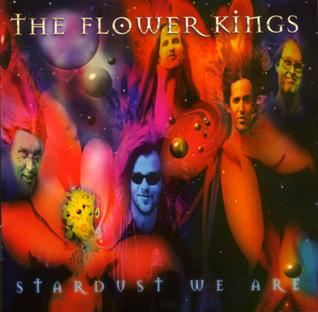
Stardust We Are (Flower Kings, 1997)

The title song of "Stardust We Are" by Flower Kings is a manifold suite full of changes and charming interplays, as usual with this band. If I choose this one for my post, however, it's because I feel more emotion in this epic than I usually feel listening to Flower Kings. The fusion between acoustic and electric instruments is perfect, and this surely adds a warmer touch to the big picture. On the other hand, the melodies are well found and the arrangements forbid any boredom and redundancy.

It also exists a 3LP+2CD deluxe set of this album... did you know?

I especially like the down tempo passages, full of misty guitars not too far from early Genesis. There's a strong coherence in this suite, also because it is divided in only three parts, even if it lasts more than 25 minutes! The three sections plot, IMHO, allows a more fluid and easy exploitation of each theme and a good deal of variations on them. In short, "Stardust We Are" is a song I always listen to with pleasure and surprise.

Friday, 23 May 2014

Decision (The New Grove Project, 1997)

"Decision" comes from New Grove Project's first official release "Fool's Journey", a sci-fi concept album  featuring its leader Ingemar Hjertqvist and Swedesh prog stars as Roine Stolt of Flower Kings and Pär Lindh, the founder of Pär Lindh Project. Sort of a supergoup, The NGP come out from time to timre with a new, interesting album and this track proves how well they create traditional symphomnic rock and how much they enjoy playing it. There's a bit of everything here: pastoral moods, keyboard progressions, dreaming guitars, syncopated and creative rythms, intricate interplays, melodic sung sections... well, everything prog, I mean.

Before this album,The NGP released a demo album.


Despite this motley inspiration, the song has its own distinctive way to drive the listener into a colourful and beautiful musical world. More than this: the final result isn't too much "Flower Kings" or "Swedish neo-prog" influenced and I'd say there's rather a neo-prog and Italian prog vein in it. Well, listen to it and let me know what else it reminds you...

Friday, 14 March 2014

The City And The Crystal (Tempus Fugit, 1997)

The word crystal in the title says it all about this 7 minutes song taken from the Brazilian band Tempus Fugit (what does this name remind me of ?) debut album, "Tales from A Forgotten World" (no, not "from Topographic Oceans"...). This is a transparent, classic, melodic prog track, mostly instrumental, including a great work on keyboard background effects and a fluid, even moving melody neatly played on electric guitar by Henrique Simoes.

Tempus Fugit released three studio albums to date.
 
The piano adds its own soul to the track and André Mello shows up his classical touch. The tempo changes are very interesting, as the sound sweetly switches up and down, exploring a pleasant, lush and colourful universe. The short sung section (with English lyrics), almost hidden towards the end of the track, perfectly closes up the song, confirming the clear and full blended taste of this musical cup of tea. Drink it, my friends, drink it and enjoy it!

Tuesday, 15 October 2013

The Pelican Lie (Twin Age, 1997)

If you have some spare time this night and you need some well done classical, Genesis-oriented prog rock, this song is for you. It's a 14 minute epic from "Lialim High", the second album by Twin Age, another interesting Swedish band. Yes, it's a Genesis influenced track and you have a bit of "Cinema Show" here and a bit of "Entangled" there, yet "The Pelican Lie" is a fresh and pleasant suite, full of good music and charming changes.

A very good band I certainly recommend to Old Prog fans.

These boys like synphonic and creative rock, they know how to diversify a long song like this one and how to add in it some strong feelings. They're also very clever in alternating themes and instruments, solos and walls of sound. Most of all, they never forget to forge some good melodies and this epic is a perfect specimen of traditional progressive rock revisited with respect and with enthusiasm.

Wednesday, 18 September 2013

Initiation (Cast, 1997)

Cast is not only the best known Mexican prog band, but also a long lasting and prolific one. This instrumental "Initiation", the opening track from "Angels and Demons" perfectly explains the reasons of their durable success. I rarely listened to such a strong, vibrant and colourful intro, some 8 minutes of classical and intricated plots where all the instruments compete in a bombastic musical race. I'd like to point out some of the song best features.

Cast released "Angels And Demons" in 1997.

First things first: the drum intro. It's a great work by Antonio Bringas, who dictates broken rhythms and provides the hooks on which the keyboards hang up their main riff. This is another good point: Luis Alfonso Vidales' fingers fly on the keyboards and his style is reminiscent of Tony Banks'... not a deadly sin, after all. Last, some excellent guitar solos provided by Francisco Hernandez Reyes, giving a passionate melody and a deeper soul to the track. So, if you like prog as it used to be and maybe should always be, this track is for you.

Friday, 10 May 2013

The Narrow Margin (IQ, 1997)

Here's the ending suite of IQ's double CD "Subterranea", released in 1997 and followed by a world tour almost entirely dedicated to the live performance of this concept album. It's a 20 minute track written and performed according to the most traditional prog rock standards. Is this a good reason to ignore it? Well, my friends, please let's sit down and talk it over. "The Narrow Margin" is full of musical ideas, well written melodies, creative rythms, amazing changes, good energy, intricate but pleasant plots, and - last but not least - passionate vocals.

 
A movie is being released based on "Subterranea".


Also the lyrics are very interesting and even touching, being this track the conclusion of a story about the abused victim of a cruel behavioural experiment. The leading character reveals here all his inner conflicts and takes a tough decision. So, if this track didn't change rock'n'roll history, we're not authorised by this to underrate a real musical gem as many so called critics do just to cling to more fashionable ways. Music can be good or bad, and this is true for neo-prog as for every other musical genre. This song is good IMHO. Very good (IMHO again). Listen to it without prejudice and let me know.

Thursday, 18 April 2013

This Strange Engine (Marillion, 1997)

This suite strikes me for many reasons. Released in 1997 as the title track of the first Marillion's album for an indy label, "This Strange Engine" is an emotional journey in Steve Hogarth's past, focusing on his father. This man abandoned a militar career to work in a coal mine and live with his family. Like flashes, we see pictures of the singer's childhood, somewhat softened by the years and the strange engine we call heart. But there wouldn't be magic without music and what a music we have here!

I like this cover art very much. And the music inside as well.

Four different themes follow one another in a fluid and warm composition, both classically prog and modern. Hogarth's voice depicts all the nuances of human affection, while some beautiful guitar / keyboards plots enrich the whole lot. The final crescendo tops it all and this track stands up like one of the most beautiful prog suites of the '90s... IMHO, of course. Finally, please listen to one of the many live recordings of this song: it's even more moving.