Showing posts with label 1984. Show all posts

Saturday, 27 February 2016

Soil Festivities (Vangelis, 1984)

Ευάγγελος Οδυσσέας Παπαθανασίου is so well known and appreciated worldwide that he doesn't need a proper presentation here. His original soundtracks are likely to be the highlights of his career, but this Greek multi-instrumentalist and composer has a highly diversified career, including more unpredictable and experimental albums. This is the case with "Soil Festivities", featuring a sole track, divided into five movements.
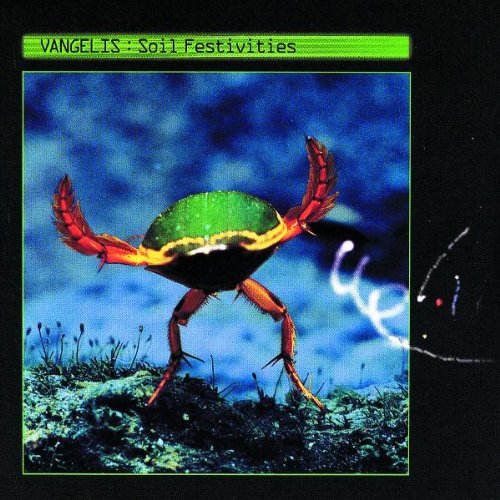
"Soil Festivities" was the 19th studio solo work by Vangelis.

We're mid-way between ambient and electronic prog, with symphonic parts (especially the last movement), relaxing themes and even krautrock echoes. The pulsating synths, the real life effects and the rapid, beating sounds describe the invisible and frantic life of the tiny inhabitants of the soil during a rainy day. It's something completely different from the airy melodies of Vangelis' most famous tracks, but it's also an intriguing, inner exploration into the fresh earth and the darkest corners of human souls.

Monday, 22 February 2016

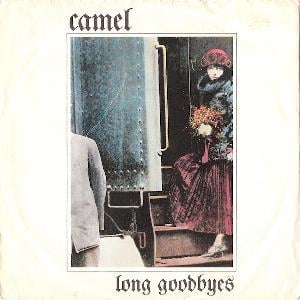
Long Goodbyes (Camel, 1984)

This song comes from the album "Stationary Traveller", released in 1984 and actually features one of the most beautiful melodies I've ever listened to in a Camel track. More than this, the 12 string guitar leading the verse and the melancholy  keyboards accompanying the chorus are heartbreaking IMHO. Of course, an electric guitar solo finishes this composition with all Mr. Latimer's well known charms.

This track was  a 7" single in Germany b/w "Waltzing Frauleins".
 
The traditional song scheme is perfectly exploited by its authors Latimer and Hoover, and the listener is surrounded by sweet and warm moods, delighted by sensible volume changes, intrigued by the Berlin Wall-themed lyrics, finally pampered with all the familiar and awaited sounds. Strange, even incredible, but that's all I need when I put a Camel record into my playlist.

Tuesday, 14 July 2015

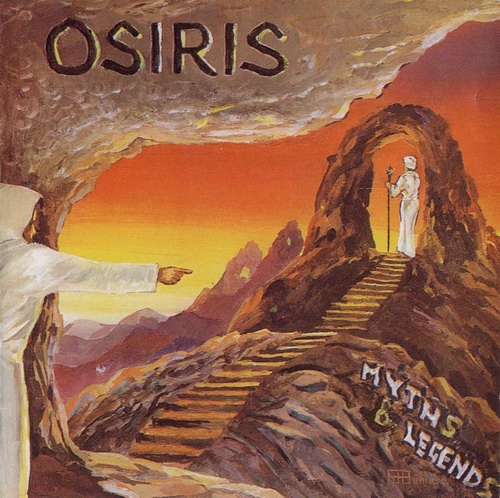
Voyage (Osiris, 1984)

We all know progressive rock is full of surprises, and we also know it's a worldwide spread movement. Even so, a neo.prog band from Bahrain isn't a common subject in prog fandom's chats. Osiris were born in the late '70s and released three studio albums in the first part of their career, between 1981 and 1990. They came back in 2007, but that's a different story. This "Voyage" is a captivating track from their "Myths And Legends" album.

"Myths And Legends" was the second studio work by Osiris.

The main influence here (and not only here) is Camel and surely Mohamed Al-Sadeqi's melodic and dreamy electric guitar is the prominent feature of this instrumental track. The other musicians are also good, and I'll just mention here keyboardist Abdul Razak-Aryan. I like the way the band depict a wide open landscape. Their music is simple and likely some keyboard effects are a little dated today, still I perceive a genuine emotion in "Voyage" and emotions actually are all I'm looking for when I listen to music. Let alone when I listen to prog...

Tuesday, 23 June 2015

To France (Mike Oldfield, 1984)

I must admit this song is one of my favourite short songs by Mike Oldfield. Its remarkable balance between pop elements, folk roots and progressive visions gives birth to a delicate and well arranged track. Maggie Reilly's voice is a winning point here, and so are some old fashioned sounds, coming from Oldfield's huge collection.

This song also was a successful single release.


The lyrics about the Queen of Scots Mary's exile in France are also well written, but the sung melody is the actual pearl of "To France", IMHO. Rich and delicate, this theme is like a musical embroidery, a light and bright acoustic drawing. The acoustic instruments are wisely mixed to the electric ones, so that a full-bodied Fender Stratocaster's solo empowers this gentle tapestry. Sure, it's just a song... but oh my, what a song!

Saturday, 4 April 2015

Thoughts (Zaragon, 1984)

The very sound of the '80s is here, my prog friends. Zaragon were an interesting Danish act, playing a lushing kind of neo-prog and playing it well. This long song comes from their first and only album, called "No Return" (that's what they did, more or less...). You'll find a wide, melodic singing, a series of instrumental bridges, sharing the foreground between guitar and keyboard solos. The latter are maybe a little dated today, still they're definitely pleasant.

The CD re-issue of this album includes a specially recorded bonus track.

Please don't forget this song was recorded during the first wave of neo-prog bands, well before Marillion's international success. So Zaragon gathered many different models and inspirations, and if I had to choose the band they look like the most, well, I'd say Eloy, but with a bonus taste for melody. All in all, this is a plain, enjoyable piece of music, something you could listen to on a relaxing, festive morning... remembering all the good old days. Gone but not forgotten.

Saturday, 1 November 2014

No Sanctuary (Queensrÿche, 1984)

I'm not particularly fond of the hardest incarnations of prog, but I sometimes come across tracks like this one and say: "Well, that's great... and prog!". "No Sanctuary", taken from the album "The Warning", is basically a so-called powerful ballad (who on Earth invented this label?) and still it has all the main features of my favourite genre: tempo changes, skillful playing, beautiful melodies, and also a rather complex arrangement. Then, I must admit, Geoff Tate's voice is perfect, being strong and sensitive in the same time, so well supported here by the rest of the band's vocal harmonies.

This was the band's first proper album, after a self-titled EP.

The mood is somewhat suspended out of time, and it seems to me a gate is opening to another dimension, especially during the quietest instrumental interlude. There are so many different colours in the soundscape of this track, so many emotions, so many fires we see from a distance. In short, I recommend it to my open minded prog friends out there. And to the non-prog ones, too.

Sunday, 26 October 2014

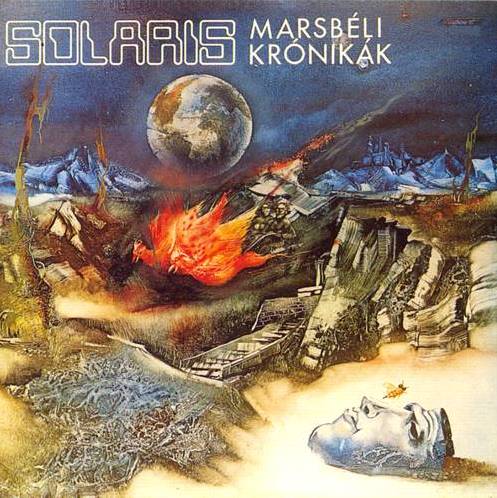
Marsbéli krónikák (Solaris, 1984)

So full of Science Fiction inspirations (Bradbury's masterpiece Martian Chronicles for the track title and Lem's work for the band's name), this song is obviously an excellent specimen of electronic progressive rock. It's a long suite divided into three tracks and six movements, a collection of original arrangements and majestic atmospheres. Keyboards, keyboards everywhere, as you can imagine. And very good ones, to say it all.

This album included the title epic and six more tracks.

But the space mood doesn't mean this work is cold: on the contrary, emotions are fundamental here and you can almost touch them, especially when Attila Kollar's flute and the guitars add their sound to the keys. The resulting mix is something new and addictive to me. The choral parts are also worth a special mention, but the main treat is, IMHO, the way Solaris merge plain melodies and futuristic sounds. This is probably the most known Hungarian prog rock track ever, and I think it deserves such a widespread interest.

Saturday, 26 April 2014

Ammonia Avenue (The Alan Parsons Project, 1984)

One of the most progressive songs from Alan Parsons and Eric Woolfson and one of the best melodies in their career, IMHO. The inspiration for this 1984 title track  was provided by a Woolfson's visit to an impressive ammonia plant in Billingham (North East of England), then owned by Imperial Chemical Industries. The huge succession of metal pipes, somewhat replacing the trees along the main avenue crossing the site, suggested to Woolfson a concept about scientific development and its impact both on the Earth and on human culture. Interestingly, this same plant allegedly inspired the SF novel "Brave New World"  by Aldous Huxley, who visited its construction site in the late 1920s.

Billingham ammonia plant... definitely a forest of pipes.

Now, for the track itself. The first half is an intimate Eric's vocal performance, lead by piano, enriched by a discreet orchestration and followed by a beautiful instrumental section, beginning with acoustic guitar and growing up like a fully prog keys / guitar / orchestra interplay. The sung theme comes back around minute 4:50 flowing to a bombastic chorus and a final fading arpeggio. I think this is a cleverly arranged track, based on a solid composition work and really, really British too, for what it's worth.

Saturday, 22 March 2014

Incubus (Marillion, 1984)

Crushed between the overflowing energy of "Script for A Jester's Tear" and the melodic blossoming of "Misplaced Childhood", "Fugazi" album is often underrated in Marillion's discography. But it includes gems as "Incubus" that are worth the greatest attention. First of all, this song has a brilliant melody and a creative rythmic section suitable for the most demading tastes, then comes Fish in one of his best performances ever. Sweet and bitter, quiet and loud, agressive and compliant, all the possible vocal tones are there.

Poor Jester is suffering in his bed... but his music's fine !

The track is build up following the outline of "Script of A Jester's Tear" title track, as it features a succession of melodies and moods in the same harsh / mellow / harsh / mellow /rising / bombastic order. Only, this song also includes longer instrumental solo parts, with a special mention for Steve Rothery's electric guitar heartbreaking dreamy section. Yes, I like this song more and more and I do think it's one of the greatest Marillion tracks during the so called "Fish era".

Wednesday, 4 December 2013

Heart Attack (Pallas, 1984)

"The Sentinel" was a seminal album in the '80s resurgence of prog rock and this song represents very well the martial, dramatic sound of the band, especially in this sci-fi concept album, their first and most loved one. It is important to say that this song was only released in the 1992 CD version of "The Sentinel", where the band also changed the running order of the tracks, in order to restore the original concept, including the music that didn't find its place in the LP. So, this song isn't a filler, not at all, and that's why I add it here to my collection.


Could a cover art be more progressive than this one?

The massive presence of old and new keyboards provided by Ronnie Brown, a very good Niall Mathewson's guitar solo, Euan Lowson's almost desperate and always theatrical vocals are some of the features of this 8 minutes epic and mostly slow tempo song. The mood changes are stunning, leading away the listener through war and peace, silence and noise, pleasure and pain. The melodies are well written and the rythm section supports each turn providing creative and intricate rythms, while the keys hold up the vocals properly stressing their emotional peaks. That's exactly what I like in a progressive rock song.